What is Neuroplasticity?
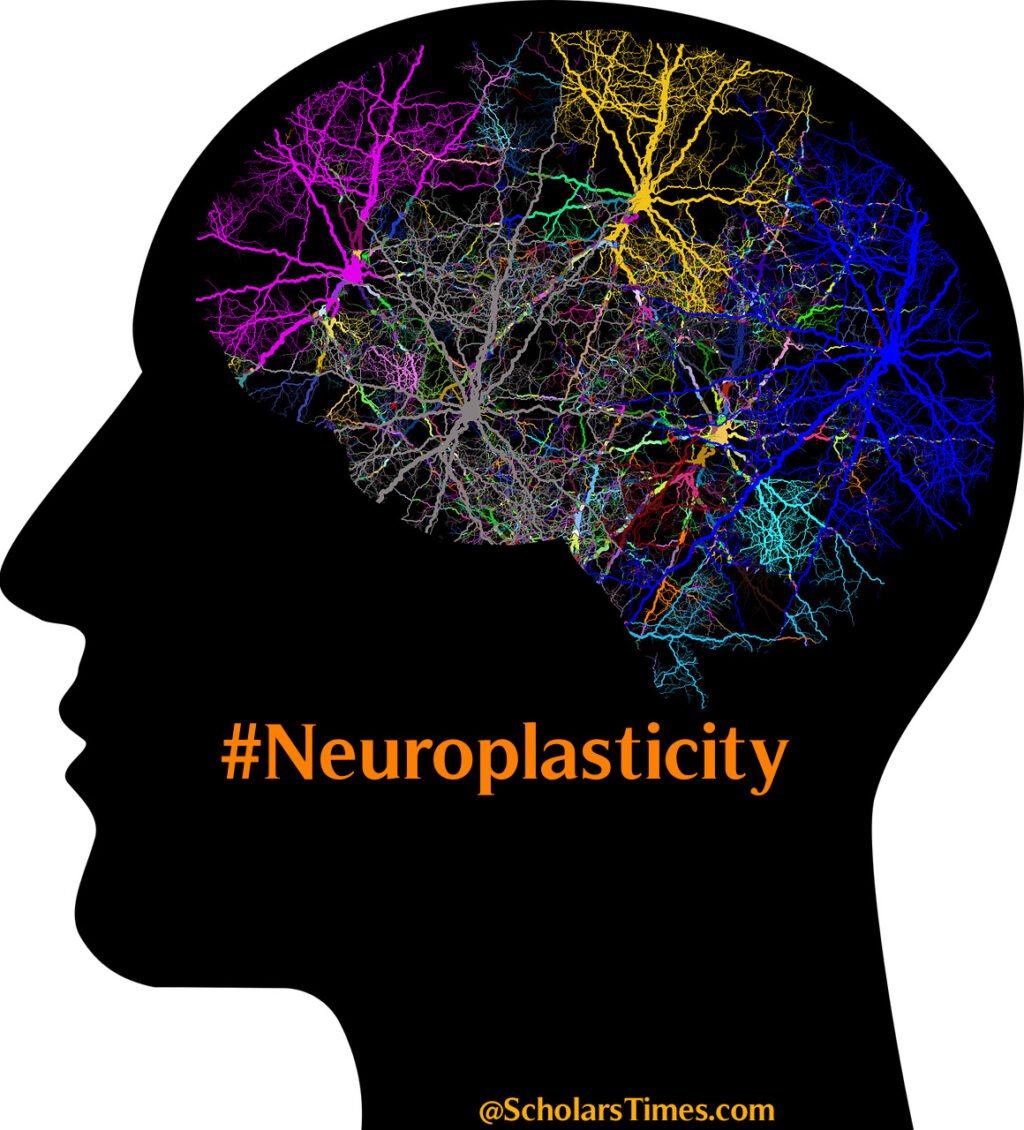
- Neuroplasticity is the ability of the brain to form and reorganize synaptic connections (pathways) in response to learning or experience, or following injury.

- Neurogenesis refers to the creation of new brain cells. Certain regions of the brain, particularly the hippocampus, are capable of generating new neurons throughout adult life.
- The hippocampus is the prominent brain area for learning and memory, and emotional regulation.
- Neurons that are used frequently develop stronger connections, “neurons that fire together wire together”. Those that are rarely or never used atrophy or are eliminated (synaptic pruning).
- Neuroplasticity is triggered by a focus (learning or experience) and consolidates (remembered) during sleep. Repetition reinforces maximum neuroplasticity.
- Non-REM sleep boosts the performance of newly acquired skills, while REM sleep stabilizes these improvements and prevents new learning from erasing them.
- Slow-wave sleep trims weaker or unnecessary connections while strengthening essential ones, improving neural efficiency.
- Neuroplasticity is triggered by a focus (learning or experience) and consolidates (remembered) during sleep. Repetition reinforces maximum neuroplasticity.
How Does Neuroplasticity Work? [Infographic] – NICABM
How is Neuroplasticity Related to Addiction?
- Neuroplasticity is the root cause of addiction and is the key to recovery.
- Highly rewarding dopamine reinforces the creation of new neural pathways that drive addictive behavior.
- For example, the image below demonstrates new synaptic spines on medium spiny neurons in the nucleus accumbens, in response to cocaine use.
- The nucleus accumbens is a key brain structure that integrates reward, motivation, and reinforcement learning, playing a central role in pleasure, addiction, and goal-directed behavior.

What Activities Stimulate Healthy Neuroplasticity?
- Aerobic exercise
- It stimulates the release of brain-derived neurotrophic factor (BDNF), which sets in motion the growth of new synaptic connections and bolsters the strength of signals transmitted from neuron to neuron.
- Meditation/mindfulness activities
- Several areas of the brain actually become larger after meditation, such as the hippocampus.
- The fight-or-flight response system in the amygdala becomes smaller.
- Participating in novel activities
- Engaging in play (very powerful neuroplasticity portal)
- Creating artwork, music, improvisational dance, creative writing etc.
- Practicing and repeating positive activities—even mentally rehearsing them.
Neuroplasticity: How Experience Changes the Brain (verywellmind.com)
Proposed Question for thought/sharing:
- How did or how will understanding neuroplasticity motivate your behavioral changes that support healing and recovery?
Disclaimer
This summary is for general informational purposes only and does not constitute the practice of medicine or other professional health care services, including the giving of medical advice, and no doctor/patient relationship is formed.

Leave a Reply