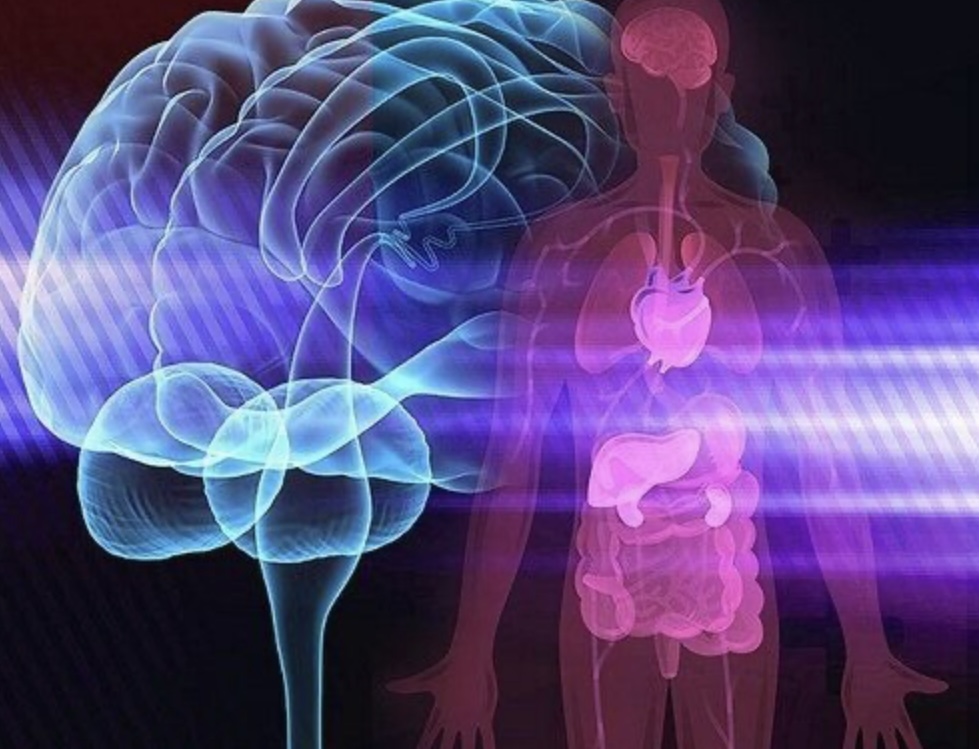


Neuroplasticity is both the root cause of addiction as well as the pathway for learning and Recovery.
Neuroplasticity is the ability of the brain to form and reorganize itself by forming new connections (pathways) and adjusting existing ones in response to learning or experience, or following injury.
This adaptability is crucial for learning, memory, and recovery from injury.
“Neurons that fire together Wire together” – Neurons that are used frequently develop stronger connections, Those that are rarely or never used atrophy or are eliminated (synaptic pruning).
Activities that Stimulate Healthy Neuroplasticity:
- Aerobic exercise
- Participating in novel activities
- Engaging in play (very powerful neuroplasticity portal)
- Creating artwork, music, improvisational dance, creative writing etc.
- Practicing and repeating positive activities—even mentally rehearsing them.
- Mindfulness meditation
*********************
Mindfulness involves focusing attention on the present moment. This focused attention induces structural changes in the brain that may be linked to enhanced neuroplasticity.
Mindfulness Meditation has been shown to induce neuroplasticity through several mechanisms:
Structural Changes
Regular practice can lead to increased cortical thickness in areas related to emotional regulation.
Several areas of the brain actually become larger after meditation, such as the hippocampus.
The fight-or-flight response system in the amygdala becomes smaller.
Neurotransmitter Regulation:
Mindfulness can increase levels of neurotransmitters like GABA and serotonin, which help reduce anxiety and improve mood.
Enhanced Brain Connectivity:
Mindfulness encourages the integration of different brain regions and networks, contributing to the flexibility and adaptability of neural connections, resulting in better communication.
Mindfulness involves practices that enhance cognitive control, the process by which goals or plans influence our behavior, such as attention regulation and emotion regulation.
For example, each time your attention has strayed from the breath; once you notice it and bring your attention back to the breath, you are practicing cognitive control.
In Summary: mindfulness encourages individuals to be aware of thoughts, bodily sensations and emotions. The ability to tune into your body and mind will allow you to make decisions that support the life you want to create and live.
Leave a Reply