
“We can choose courage or we can choose comfort but we can not have both.”
“Only when we are brave enough to explore the darkness will we discover the infinite power of our light.” Brene Brown
What are the Differences and Similarities between Fear and Anxiety?
- Fear is an immediate response to a perceived known threat.
- Anxiety is a prolonged, future-oriented response to an uncertain or perceived threat. Key words are often “what if”.
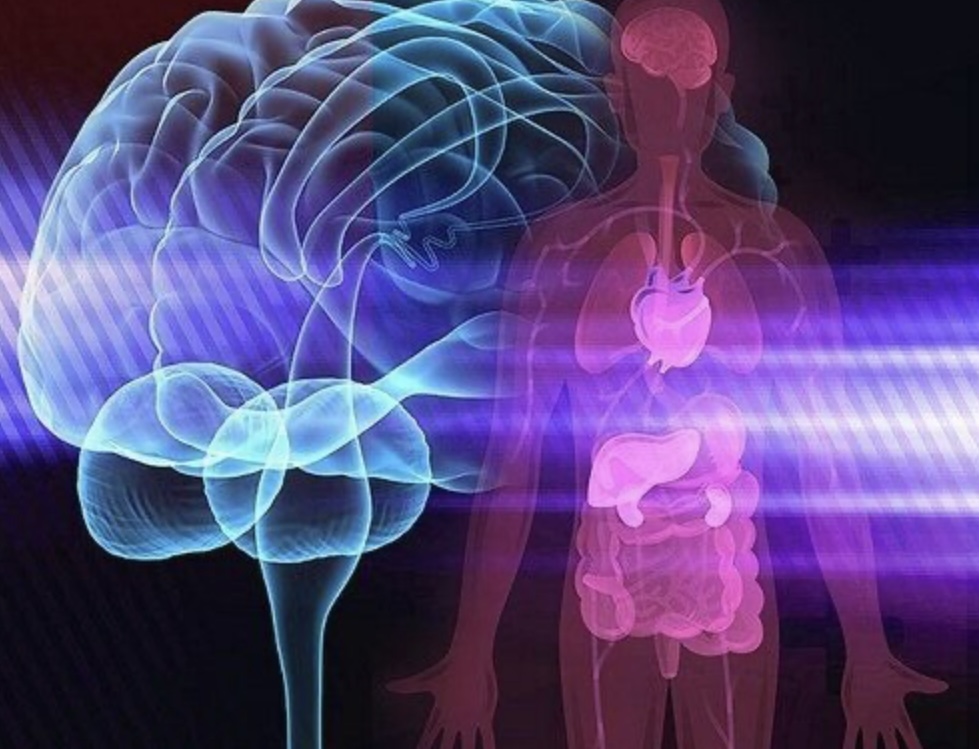
- Both fear and anxiety activate our autonomic nervous system (fight or flight) and share physical symptoms such as increased heart rate, rapid breathing, sweating, muscle tension, and elevated stress hormones (i.e. cortisol).
Physiological Response Differences
| Physiological System | Fear Response | Anxiety Response |
| Heart rate | Sharp, immediate spike | Moderate, sustained elevation |
| Muscle tension | Brief, intense bracing | Chronic tightness, often in neck/shoulders |
| Breathing | Rapid, shallow | Often shallow, sometimes chest-tight |
| Hormones | Quick adrenaline surge | Prolonged cortisol elevation |
| Digestion | Temporarily suppressed | Often disrupted (nausea, appetite changes) |
| Recovery time | Minutes after threat passes | Hours to days, or ongoing |
What is the Prevalence and Recovery Impact of Co-occurring Anxiety and Substance Use Disorders?
- Anxiety disorders can precede the development of alcohol use disorders (AUDs) in up to 80% of cases.
- There is evidence that people with anxiety disorders transition from initial use to substance dependence significantly faster.
- People with significant anxiety have a higher rate of relapse.
- The link below summarizes the neurobiological connection between anxiety and addiction.
Sylvia-The Anxiety Addiction Cycle – Sober Synthesis
Why Does Fear and Anxiety Often Increase in Early Recovery?
- Fear and anxiety during withdrawal happens because the brain’s stress and reward circuits, rewired by repeated substance use, lose their chemical dependence all at once. The brain’s addiction circuitry involves three main systems: one driving craving, one governing reward, and one regulating stress.
- When the substance disappears, that stress system, which relies heavily on the brain chemical corticotropin-releasing factor, overactivates.
Anxiety Symptom Timelines by Substance
| Substance | Onset of Anxiety | Peak Intensity | Typical Duration | Risk of Severe Complications |
| Alcohol | 6-24 hours after last drink | 24-72 hours | 1-2 weeks acute; months of protracted symptoms possible | High (seizures, delirium tremens) |
| Benzodiazepines | 1-4 days (longer for long-acting types) | 1-2 weeks | Weeks to several months | High (seizures, rebound anxiety) |
| Opioids | 8-24 hours | 2-4 days | 1-2 weeks acute; protracted symptoms up to 6 months | Moderate (rarely life-threatening but severe discomfort) |
| Stimulants (cocaine, methamphetamine) | Within hours to 1 day | 2-4 days | 1-3 weeks, with mood symptoms lingering longer | Low to moderate (depression, suicidal ideation risk) |
| Cannabis | 1-3 days | 2-6 days | 1-2 weeks, sleep issues may persist longer | Low |
Notice the pattern: substances that suppress the central nervous system, alcohol and benzodiazepines, carry the highest medical risk during withdrawal. That’s not a coincidence, and it’s the main reason self-detoxing from either is discouraged without medical guidance.
Understanding and Coping with Anxiety During Withdrawal
What are Sex Differences in Fear Responses?
- Women are more vulnerable than men to anxiety and fear-related disorders, including PTSD due to neurobiological differences.
- Social conditioning can be an additive factor
What Activities Support Healthy/Helpful Responses to Fear and Anxiety?
- Increase awareness of triggers/cues and practice healthy response patterns.

- Identify sub-types of fear to support increased awareness for healthy response patterns.


- The most effective activity to decrease fear and anxiety is exposure.
- Facing your fear (in a safe way) is often one of the best ways to overcome it.
- Move your body: Research has shown that regular physical activity can help reduce anxiety symptoms.
- Practice mindfulness and meditation: These strategies can help you live more in the moment without worrying about the past and future.
- Relaxation techniques: Using progressive muscle relaxation and guided visualization can help you feel calmer and more in control when dealing with stressful situations.
- Deep breathing: When you feel fearful and anxious, your breathing tends to become shallow and rapid, worsening feelings of fear.
- Practicing deep breathing, can activate the body’s relaxation response, which can calm you down and help you feel less fearful.
- Professional treatment is indicated for prolonged anxiety, especially for people who have a trauma history.
Proposed questions for thought/sharing:
1. What changes have you made to improve how you recognize and respond to fear and/or anxiety and how have those changes supported your recovery/wellness?
2. What are your challenges with fear and/or anxiety? Any action ideas for the future?
Prompt for Writing or Detailed Thought This Week:
Think about a recent time when you felt afraid or anxious. How did you respond? How did you wish to respond? Where did you experience fear in your body? Did you learn anything from that experience?
Disclaimer
This summary is for general informational purposes only and does not constitute the practice of medicine or other professional health care services, including the giving of medical advice, and no doctor/patient relationship is formed.
Leave a Reply