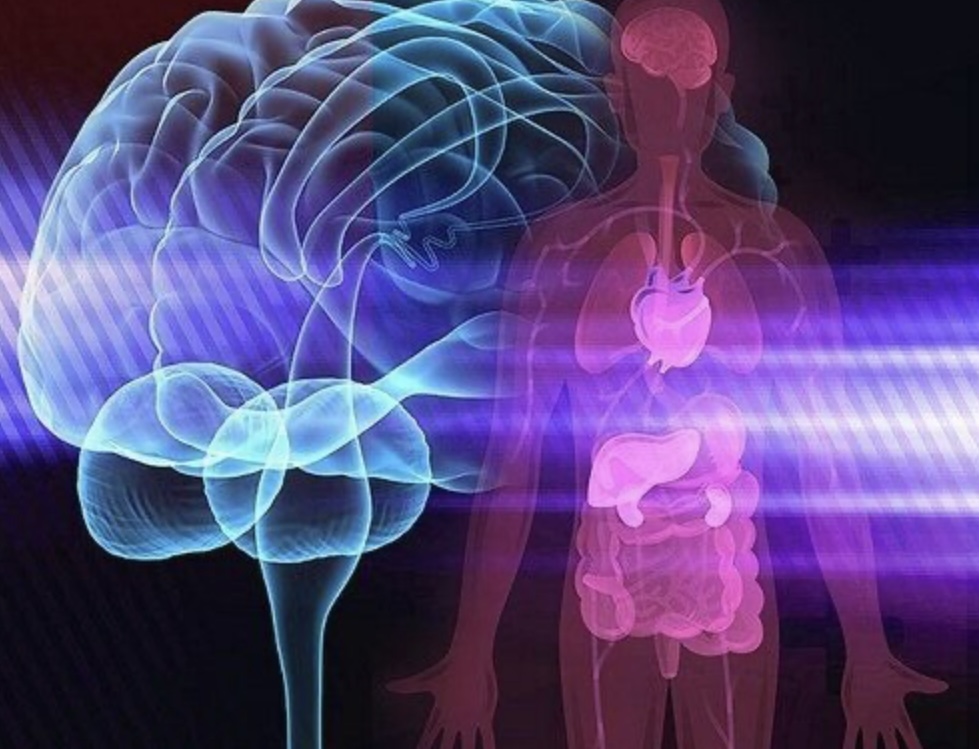


What are Important Neurobiology Principles that Apply to Internal Family Systems (IFS)?
- We don’t feel things in our brain, we feel them in our body.
- Feelings (senses) are unconsciously perceived in our midbrain.
- Feelings and emotions are not interchangeable concepts
- When we create/identify an emotion with words/language (thoughts), we are giving meaning to our sensory experience (feelings).
- Neuroception (beneath conscious awareness)
- How our nervous system ‘interprets’ a situation (perception) determines our autonomic nervous system response.
- Fight or flight
- Freeze/shut down
- Interpersonal connection, emotional flexibility and behavioral balance
- How our nervous system ‘interprets’ a situation (perception) determines our autonomic nervous system response.
What are the Core Principles of (IFS)?
- The Self
- At the center of every person is the core Self, which represents your true essence. The Self is the innate leader of the internal system and is characterized by the “8 Cs” and “5 Ps”.
- The 8 Cs: Curiosity, Compassion, Calm, Clarity, Courage, Confidence, Creativity, and Connectedness.
- At the center of every person is the core Self, which represents your true essence. The Self is the innate leader of the internal system and is characterized by the “8 Cs” and “5 Ps”.

- The 5 Ps: Presence, Perspective, Patience, Persistence, and Playfulness.

- The Parts: sub-personalities that hold their own memories, viewpoints, and emotions.
- Exiles: These are the wounded, vulnerable parts—often carrying trauma, shame, or fear from the past. The system hides them away to protect the person from this pain.
- Managers: Proactive protective parts that run your day-to-day life. They use strategies like control, perfectionism, and hyper-vigilance to keep Exiles buried and prevent you from experiencing emotional pain.
- Often triggers a set of physical sensations that can signal the body’s response to stress, overwork, or emotional suppression.
- Firefighters: Reactive protective parts that jump in when the pain of an Exile breaks through. They try to quickly “extinguish” the distress, sometimes using numbing, dissociation, or compulsive/addictive behaviors.
- Often triggers a range of physical sensations that reflect an urgent, survival-focused response.
What are Common Thought Patterns When “Managers” Are Activated?
- Key words: I must, I should, I have to, I can’t
- The Perfectionist: “If I make a mistake, I am a failure.”
- The Inner Critic: “I must constantly monitor and point out my flaws to keep me safe and productive.”
- The Controller: “I need to anticipate and manage every detail so nothing bad or chaotic will happen.”
- The Caretaker/People Pleaser: “I must prioritize everyone else’s needs and feelings so people will like me and people will not feel uncomfortable.”
- The Planner/Taskmaster: “I can never rest; resting is lazy.”
What are Common Thought Patterns When “Firefighters” Are Activated?
- Key words: I need now, I hate, I’ll fight
- “I need to numb/escape this feeling right now.” (Leading to behaviors like binge eating, substance use, or dissociating)
- “I have to distract myself from feeling this.” (Leading to compulsive behaviors, like mindlessly scrolling social media, gambling, or going on impulsive shopping sprees)
- “I will fight to keep this pain out.” (Leading to outbursts of rage, self-harm, or intense defensiveness)
How Can We Recognize and “Let Go” of “Protectors”?
- A Self-compassion practice
- A Mindfulness practice
- Self exploration of internal protectors
- Think about a protector part you have
- Once you identify a protector part, notice its voice, emotion, thought pattern, or sensation.
- Observe where it feels located, either inside or around the body.
- Notice how you feel toward this protector part:
- Do you dislike it and wish it would go away?
- Do you fear it?
- Do you resent its control?
- Do you depend on it?
- If you feel anything other than curiosity or openness, it means other protectors are interfering.
- This is not about letting the part take over, just about understanding it.
- Some key questions to ask:
- “What do you want me to know about yourself?”
- “What are you afraid would happen if you didn’t do this role inside of me?”
- “Can I extend some appreciation to you for trying to keep me safe, even if it hasn’t always worked”.
- “If I could heal or change what you are protecting, what would you like to do instead of for me?”
- “What do you need from me going forward?”
- Important: IFS with a professional therapist is recommended for anyone with a significant trauma history.
Internal Family Systems and Addiction – Saad, Our Garden Jun 2026 – Sober Synthesis
Proposed Questions for Thought/Sharing:
- Did this information spark any curiosity?
- Have you or can you identify your autonomic protective “parts” (manager and/or firefighter)?
- When protective “parts” are present, what are your initial physical sensations? What are your core thoughts?
Disclaimer:
This summary is for general informational purposes only and does not constitute the practice of medicine or other professional health care services, including the giving of medical advice, and no doctor/patient relationship is formed.
Leave a Reply