
“Your task is not to seek for love, but merely to seek and find all the
barriers within yourself that you have built against it.” ~ Rumi
Loneliness isn’t necessarily about being physically alone. We can be surrounded by people, have families, go to work, attend meetings, and participate in social activities and still feel profoundly lonely.
“Loneliness Epidemic”
Dr. Vivek H. Murthy, former Surgeon General of the United States, in his book “Together” argues that loneliness is much more than an unpleasant feeling.
It is a significant public health concern, affecting our physical health, emotional well-being, and our ability to connect with other people.
Human beings are wired for connection. We need relationships, companionship, acceptance, and a sense of belonging. These are fundamental human needs.
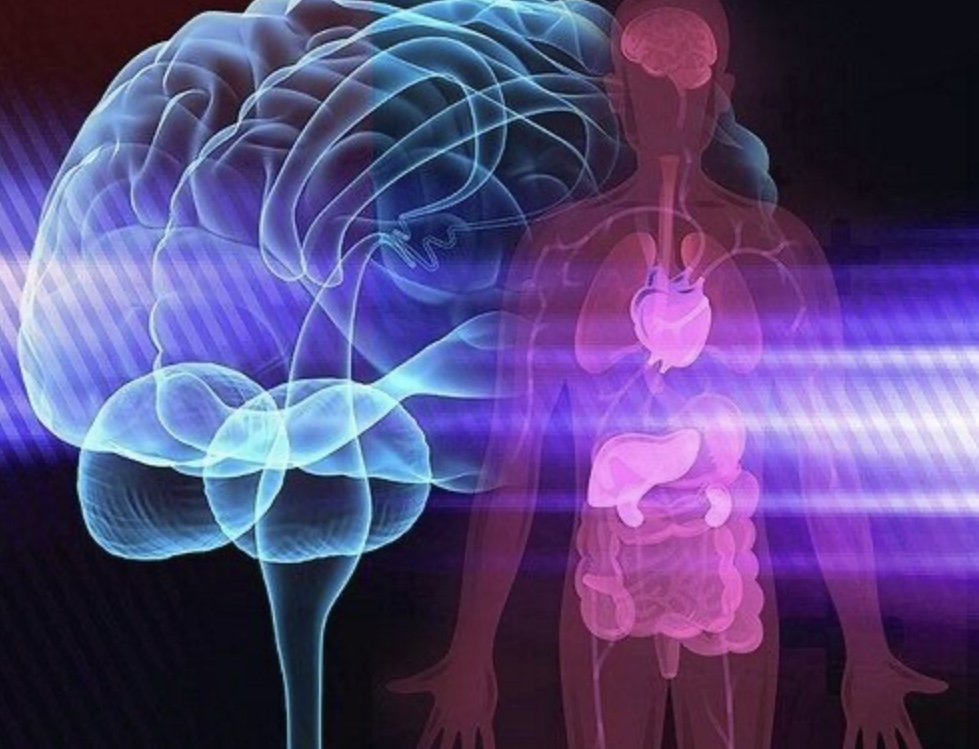
Loneliness poses significant health risks that can affect both mental and physical well-being:
Mental Health Risks:
Increased Depression and Anxiety: Loneliness is strongly linked to higher rates of depression and anxiety. Individuals experiencing chronic loneliness often exhibit elevated stress hormones, which can disrupt brain function and contribute to mental health disorders.
Cognitive Decline: Chronic loneliness can accelerate cognitive decline, increasing the risk of dementia and impairing memory and attention. Studies suggest that loneliness can raise the risk of Alzheimer’s disease by 14% and vascular dementia by 17%.
Physical Health Risks
Cardiovascular Issues: Loneliness is associated with a 29% higher risk of coronary heart disease and a 32% higher risk of stroke. The stress associated with loneliness can lead to increased inflammation, which negatively impacts heart health.
Chronic Conditions: Individuals who feel lonely are at a greater risk for chronic conditions such as diabetes and hypertension. The physiological effects of loneliness can weaken immune function and increase susceptibility to illnesses.
Understanding Loneliness
There is an important distinction between being alone and being lonely.
Being alone is a physical condition. Loneliness is an emotional experience.
Solitude can be healthy and restorative. It gives us time to reflect, think, meditate, and understand ourselves.
Loneliness, on the other hand, is the painful feeling that we lack the meaningful connections we need.
Loneliness is not simply the absence of people. It is the absence of meaningful connection.
Loneliness is a signal, much like hunger or thirst.
Hunger tells us that our bodies need nourishment.
Thirst tells our bodies we need hydration.
Loneliness tells us that we need human connection.
The problem arises when we ignore that signal.
Why would we ignore it?
Sometimes we become embarrassed about feeling lonely.
We tell ourselves that we should be stronger, more independent, or more self-sufficient.
We may believe that admitting loneliness means admitting weakness.
But loneliness is not a character flaw. It is part of being human.
And recognizing it is the first step toward doing something about it.
The Connection Between Loneliness and Addiction
For many people, addiction involves a gradual process of disconnection.
Relationships become strained. Trust is damaged.
We withdraw from family and friends.
We may stop participating in activities we once enjoyed.
We become less available to the people who care about us.
Sometimes we isolate because we don’t want anyone to know what is happening.
Sometimes we isolate because we feel ashamed.
Sometimes we simply don’t know how to explain what we’re going through.
And sometimes substances become a substitute for the connection we are missing.
Alcohol or drugs may temporarily make us feel more comfortable socially, less anxious, less lonely, or less troubled by our circumstances.
Over time, substance use can deepen the very isolation we were trying to escape.
We may find ourselves increasingly disconnected from other people and even from ourselves.
A difficult cycle can develop:
We feel lonely, so we withdraw.
The more we withdraw, the lonelier we become.
The lonelier we become, the harder it is to reach out.
Eventually, isolation can begin to feel normal.
Recovery offers an opportunity to interrupt that cycle.
But stopping substance use, important as that is, doesn’t automatically restore our relationships or eliminate loneliness.
We also have to learn how to reconnect.
That means learning to trust people again, allowing ourselves to be vulnerable, developing friendships, and becoming part of something larger than ourselves.
It means understanding that recovery is not just about what we stop doing.
It’s also about what we begin building.
Loneliness & Shame
People often hide their loneliness because they believe everyone else has figured out how to be happy and connected.
Meanwhile, we may feel that something is missing in our own lives.
But loneliness is much more universal than we imagine.
People experience loneliness at every stage of life, old or young, sick or healthy, rich or poor. Loneliness does not discriminate.
The most important thing we can do is stop treating loneliness as something we should be ashamed of. We don’t have to pretend that everything is fine.
We don’t have to be entertaining, successful, confident, or interesting all the time to deserve companionship.
Rebuilding Connection:
Murthy describes the different circles of connection that contribute to our well-being.
Some relationships are very close: family members, intimate partners, and trusted friends.
Others are friendships that develop through shared interests, work, community activities, or recovery groups.
And then there are the everyday connections we sometimes overlook: neighbors, people we see regularly, acquaintances, brief conversations with strangers.
All of these connections matter.
Meaningful connection can come from many different places.
In recovery, a support group can be an especially important source of connection.
It can provide a place where people understand experiences that might be difficult to explain elsewhere.
We discover that we aren’t the only ones who have struggled.
We hear someone describe a feeling we thought was unique to us.
We begin to understand that other people have experienced shame, fear, disappointment, and loneliness.
And perhaps most importantly, we discover that we can be accepted without having to pretend to be someone we’re not.
But simply attending a meeting isn’t necessarily enough.
Connection requires participation.
It means being willing to speak, listen, share experiences, and gradually allow other people to know us.
It also means recognizing that friendships take time.
Connection doesn’t happen overnight. Relationships develop through repeated experiences of honesty, kindness, reliability, and mutual respect.
We build connection one conversation at a time.
Small Acts Can Make a Big Difference
We don’t need to make dramatic changes to begin overcoming loneliness.
Connection often starts with very small actions.
We can make time for the people we care about, give others our full attention, embrace healthy solitude, and both help and allow ourselves to be helped.
How would that look?
- Reach Out.
Call someone you haven’t spoken with in a while. Send a message. Ask someone how they’re doing.
Don’t wait until you have something important to say.
Sometimes a simple conversation is enough to remind someone that they matter. - Be Present
When someone is talking to you, really listen.
Put down the phone.
Avoid thinking about what you’re going to say next.
Being heard is one of the most powerful forms of human connection. - Allow Yourself to be Vulnerable
- We don’t have to tell everyone everything about our lives. But meaningful relationships require some degree of honesty and self-disclosure.
- We have to allow people to see us as we actually are, rather than constantly presenting a version of ourselves that we think others will approve of.
- Help Someone Else
Service can be an important way to reconnect with other people.
Helping a neighbor, checking on a friend, welcoming someone new to a meeting, or simply listening to someone who is having a difficult day can make a difference.
When we help others, we move beyond our own isolation.
We become part of someone else’s life. - Learn to Accept Help
This can be particularly difficult for people who have spent years trying to manage everything on their own.
We may be comfortable giving advice but uncomfortable asking for it.
We may be willing to help others but reluctant to admit that we need help ourselves.
Connection has to work in both directions.
Allowing someone to help us is not a sign of weakness. It is an opportunity for another person to experience the value of being needed.
Solitude Versus Isolation
This is an important distinction: the difference between healthy solitude and unhealthy isolation.
Spending time alone can be valuable.
We need opportunities to reflect, practice mindfulness, enjoy nature, listen to music, read, or simply sit quietly with our thoughts.
The goal isn’t to eliminate solitude.
The goal is to avoid becoming disconnected from the world.
In recovery, this distinction is especially important.
It requires us to become more comfortable with ourselves.
We need to understand our feelings and learn how to tolerate difficult emotions without immediately trying to escape them.
Healthy solitude helps us become more comfortable with ourselves. Isolation can reinforce the belief that nobody understands us or that we don’t belong anywhere.
We should be able to enjoy our own company while remaining open to the company of others.
But we also need other people. Those two things can coexist.
Balance!
Building a Life of Connection
Connection isn’t something that just happens.
It is something we build. Something we cultivate.
We build it through small, repeated acts of kindness, honesty, attention, and generosity.
We build it by showing up for people and allowing them to show up for us.
We build it by creating communities where people feel welcome and valued.
For those of us in recovery, this is an especially powerful idea.
Recovery gives us an opportunity to create a different kind of life.
We may not be able to repair every relationship from our past. Some relationships may never return to what they once were.
But we can deepen existing connections and create new ones.
We can reach out to someone.
We can welcome someone who is new.
We can listen when someone needs to talk.
We can become the person who notices when someone else seems disconnected.
Conclusion
Loneliness often tells us that we are alone, that nobody understands us, and that we have to figure everything out by ourselves.
But those messages we may have internalized aren’t necessarily true.
We may not always have the relationships we want. We may have lost people, damaged relationships, or spent years feeling disconnected.
But the possibility of connection remains.
Murthy’s book reminds us that human beings need one another. We need to belong. We need to feel that we matter to someone and that our presence makes a difference.
And perhaps just as importantly, other people need us.
We don’t have to eliminate every moment of loneliness.
We simply have to remain open to connection.
We may ask: ”How can I feel less lonely?”
We may also ask: “What can I do today to help someone else feel less alone?”
Sometimes the best way to overcome our own loneliness is to help create a world in which other people feel they belong.
Discussion Questions
- What does it feel like to be lonely? Can you remember a time when you felt lonely even though you were surrounded by people?
- Recovery: How can loneliness contribute to substance use or make recovery more difficult? Have you experienced a connection between isolation and your own recovery?
- Shame: Would you be embarassed to tell someone you felt lonely? Why do you think people are sometimes embarrassed to admit they are lonely?
- Rebuilding connections: What kinds of relationships or connections have been most helpful to you in recovery? Have you developed friendships or a sense of belonging that you didn’t have before?
- Small acts of connection: What are some simple things we can do to help someone feel welcome, included, or less alone?
- Healthy solitude: How do you distinguish between enjoying time alone and withdrawing from other people? When does solitude become isolation?
- Giving and receiving help: Which is easier for you: helping someone else or accepting help from someone? Why?
- Putting it into practice: What is one specific thing you could do this week to strengthen a connection in your life or help someone else feel less alone?
“Connection doesn’t require perfection. It requires presence. Sometimes the most important thing we can offer another person is the knowledge that they don’t have to face life alone.”
Further Info:
Together: The Healing Power of Human Connection in a Sometimes Lonely World by Dr. Vivek H. Murthy
https://www.sciencedirect.com/science/article/abs/pii/S0167876099000495
“Loneliness: Human Nature and the Need for Social Connection” by Dr. John Cacioppo (Dr. Loneliness)
Leave a Reply