
Music
Music has the power to heal, transform and inspire and we have the power through deep listening to increase our intuition and self-awareness. – Andre Feriante

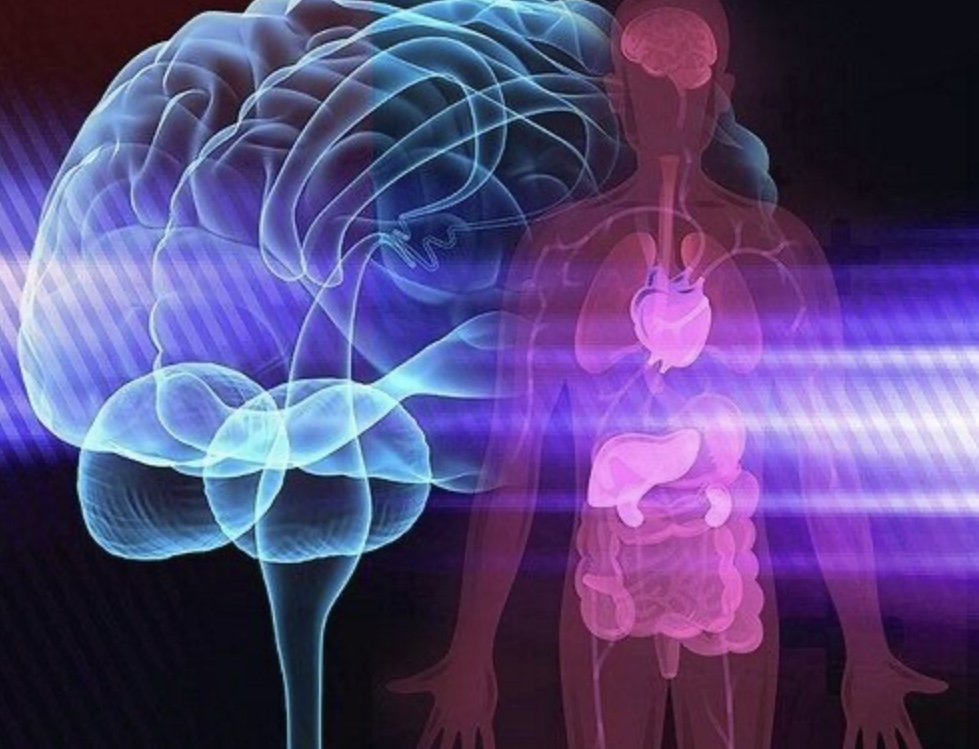
- Music engages multiple brain regions, reshapes neural networks, and strengthens neural connections.
- Music activates both neurochemicals and hormones that decrease stress, increase social connectedness, and improve mood.
- Music evokes activation of premotor and motor circuitry in the brain and body.
- Activated neurons match the frequency of the music; your body itself becomes an instrument, triggering motions and emotions.
Dance
We dance for laughter, we dance for tears, we dance for madness, we dance for fears, we dance for hopes, we dance for screams, we are the dancers, we create the dreams. – Albert Einstein

- Whole-Brain Engagement: Dance involves auditory processing (rhythm), motor planning (premotor cortex/supplementary motor area), and coordination (cerebellum), as well as sensory, emotional, and cognitive networks.
- Neural Synchrony: It boosts electrical activity in alpha and gamma bands, fostering stronger communication between brain regions.
- Neuroplasticity: Dancing creates new neural connections, which can improve cognitive function and reduce the risk of dementia by up to 76%.
- Researchers looked at the effects of 11 different types of physical activity, including cycling, golf, swimming, and tennis, and found that dance most significantly lowered participants’ risk of dementia.
- Neurochemical Release: Dance triggers the release of neurotransmitters such as serotonin, dopamine, and oxytocin, which improve mood and reduce stress.
- Interpersonal Connection: Dancing with others (synchrony) aligns brain waves between individuals, facilitating social bonding and trust.
Writing
“Writing is the painting of the voice.” – Voltaire
- Writing has been demonstrated to decrease stress, improve learning and cognitive functioning, and improve physical and mental health.
- Writing creates a unique opportunity to weave together thinking (cognition) and feeling (sensation) to support enhanced self-awareness.
- Studies have begun to show how an increase in self-awareness, rather than simply disclosing emotions, could be the key to improvements in mental health.
- Writing can serve as a therapeutic exposure to painful and/or traumatic experiences, thus “desensitizing” the emotional intensity of the experience and increasing agency/self empowerment.
Sylvia: Writing: A Healing and Growth Creative Activity – Sober Synthesis
Other Creative Activities:
Painting and Drawing
- Stimulates visual and motor areas, improves concentration, and reduces stress. Studies note that creative art-making lowers cortisol levels regardless of skill level.
Gardening
- Connects you with nature, provides tactile sensory feedback, low-impact exercise and boosts dopamine production through hands-on growth and nurturing cycles.
- Soil microbe exposure: Contact with beneficial soil bacteria like Mycobacterium Vaccae can stimulate serotonin production and support immune health.
Woodworking, Pottery, and Object Restoration
- Engages “whole-brain” coordination combining artistic design with problem-solving. Research from the Mayo Clinic shows that craft hobbies like pottery and woodworking significantly lower the risk of cognitive disorders and mild cognitive impairment
Knitting or Crocheting
- If you have trouble with mindfulness, repetitive activities can help you stay focused, provide predictable sequences, tactile feedback, and focused attention.
- The repetitive, rhythmic nature of knitting can shift the brain into a balanced alpha–theta state, similar to meditation, which supports both mental clarity and emotional regulation.
Cooking and Baking Creatively
- Serves as a low-stakes, daily creative outlet that rewards experimentation, encourages flexible thinking, and promotes a calming focus.
Disclaimer
This summary is for general informational purposes only and does not constitute the practice of medicine or other professional health care services, including the giving of medical advice, and no doctor/patient relationship is formed.
Leave a Reply