
We dance for laughter, we dance for tears, we dance for madness, we dance for fears, we dance for hopes, we dance for screams, we are the dancers, we create the dreams. – Albert Einstein
What are the Neurobiological and Psychological Benefits of Dance (Movement to Rhythm)?

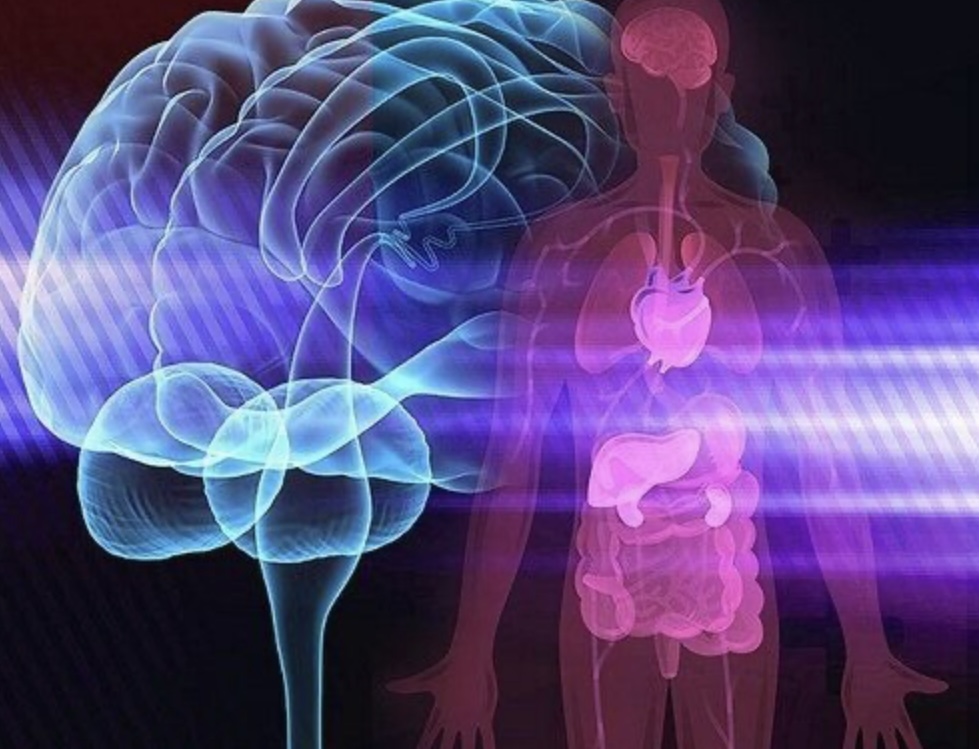
- Whole-Brain Engagement: Dance involves auditory processing (rhythm), motor planning (premotor cortex/supplementary motor area), and coordination (cerebellum), as well as sensory, emotional, and cognitive networks.
- Neural Synchrony: It boosts electrical activity in alpha and gamma bands, fostering stronger communication between brain regions.
- Neuroplasticity: Dancing creates new neural connections, which can improve cognitive function and reduce the risk of dementia by up to 76%.
- Researchers looked at the effects of 11 different types of physical activity, including cycling, golf, swimming, and tennis, and found that dance most significantly lowered participants’ risk of dementia.
- Neurochemical Release: Dance triggers the release of neurotransmitters such as serotonin, dopamine, and oxytocin, which improve mood and reduce stress.
- Interpersonal Connection: Dancing with others (synchrony) aligns brain waves between individuals, facilitating social bonding and trust.
- Therapeutic Potential: Research shows dance can be highly effective in treating depression, sometimes surpassing standard therapies.
Music has the power to heal, transform and inspire and we have the power through deep listening to increase our intuition and self-awareness. – Andre Feriante
What are the Neurobiological and Psychological Benefits of Listening to Music?

- Music has a positive impact on the brain by promoting neuroplasticity (the brain’s ability to change its structure, function, and connections in response to stimuli).
- Music engages multiple brain regions, reshapes neural networks, and strengthens neural connections.
- Music activates both neurochemicals and hormones that decrease stress, increase social connectedness, and improve mood.
- Music evokes activation of premotor and motor circuitry in the brain and body.
- Activated neurons match the frequency of the music; your body itself becomes an instrument, triggering motions and emotions.
- Music is scientifically the fastest and most powerful way to create collective thinking.
- Music can change our mood regardless of lyrics.
- Happy music makes us happy, sad music makes us sad, etc. – music helps us process emotions-especially true for sadness/grief.
- Sad songs can counter the sense of suffering alone by enhancing a sense of social connectedness or bonding. Research has shown that one of the strongest emotions elicited by sad songs is nostalgia.
- Music can significantly reduce anxiety: study participants experienced a 65% reduction in anxiety after listening to Marconi Union – Weightless for 3 minutes.
- Another resource for anxiety reducing ambient music can be found in Kankyō Ongaku: Japanese Ambient, Environmental & New Age Music. Kankyō Ongaku: Japanese Ambient, Environmental & New Age Music 1980-1990 – YouTube
- Studies show a statistically significant shift in the brains and bodies of people who deliberately listen to music for 10-30 minutes daily.
- There is some evidence that music can improve gut microbiota by promoting an increase in beneficial bacteria and a decrease in pathogenic bacteria.
- Can reduce resting heart rate, increase heart rate variability, and activate features of the parasympathetic nervous system – the benefits are sustained even after you stop listening to music
- It’s likely that some of the parasympathetic nervous system changes are the result of subconscious changes in our breathing.
Research Validated Music Benefit Guidelines:
- Listen to your favorite music 10-30 minutes a day for overall physical and mental health.
- Listen to faster paced/happy music (140-150 bpm) for a minimum of 9 minutes to promote a mood change (irritated, bored) into a more improved mood state.
- Listen to fast beat music (140-150 bpm) for 10-15 minutes to increase motivation to exercise or do focused cognitive work.
- Minimize listening to favorite music while performing focused cognitive work/learning. Rather, listen to music during breaks in cognitive work/learning to optimize positive effects of music.
- White noise or soft instrumental music is best for focused cognitive work.
- Listen to sad music, generally a slower beat (50-80 bpm) and in a minor key, for 13 minutes or more to help process sadness/grief.
- Listening to novel music enhances neural circuitry and neuroplasticity for learning.
Proposed questions for thought and/or sharing:
- How have you incorporated dance and/or music to enhance your overall health/wellness and your recovery?
- How will you start to incorporate dance and/or music to enhance your overall health/wellness and your recovery?
- For those of you that have or are attending “Harmony in Recovery”, how has listening to music together supported your health/wellness and recovery?
Disclaimer
This summary is for general informational purposes only and does not constitute the practice of medicine or other professional health care services, including the giving of medical advice, and no doctor/patient relationship is formed.
Leave a Reply