
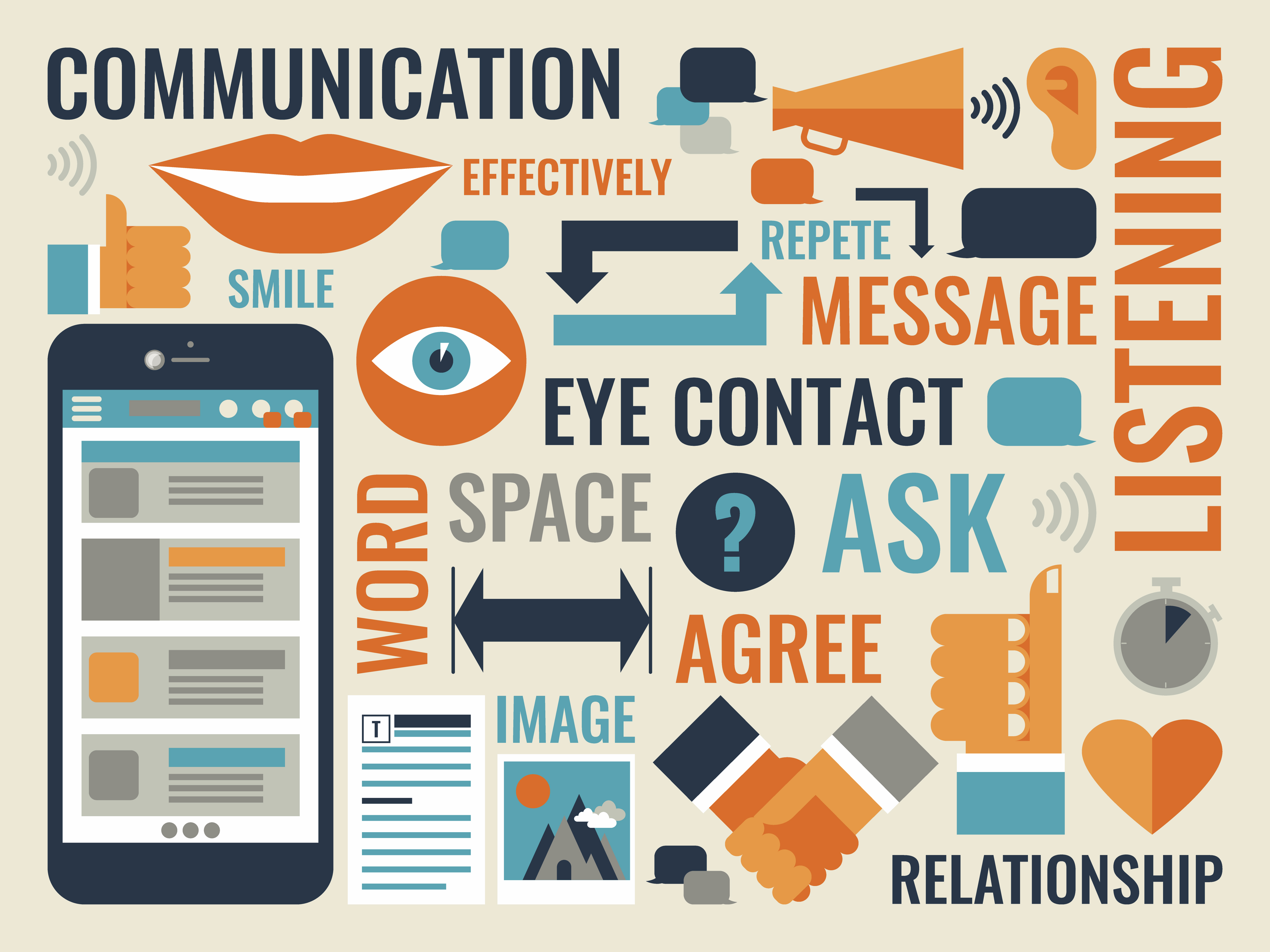
If you seek to be understood, first seek to understand. If you seek to be heard, first seek to listen. Most people do not listen with the intent to understand, they listen with the intent to reply. Steven Covey
Key Points:
- Practice acknowledging positive communications that are easily overlooked.
- When we feel someone is not listening, an effective approach is to stop talking, pause (breathe), and regulate our own emotional state.
- Check in with, and respect, the other person’s emotional capacity to continue the conversation.
- Take a break from the conversation if needed.
Why is it Important to Recognize Positive Communications?
- We are instinctively born with a “negative bias”. It takes awareness and effort to pay attention to the positive.
- Taking the time to recognize positive communication, particularly small communications that are easily overlooked, builds trust/safety for future more challenging conversations.
What Important Neurobiological Principles Guide Communications?
- Depending on how our nervous system unconsciously ‘interprets’ a situation (neuroception) determines our autonomic nervous system and sensory response (feelings).
- Am I safe or not
- Our sensory response/feelings are then interpreted emotionally.
- Finally, we have our cognitive responses that help us process emotional responses, make predictions and make decisions.
- Managing nervous system regulation is essential. When highly dysregulated our instinctual fight or flight nervous system (reactions) dominates and our ability to make thoughtful comments and decisions (responses) are significantly impaired.
Why Do People, Including Ourselves, Struggle Listening?
- People who have difficulty listening often have different communication styles, are emotionally activated, or are dealing with their own distractions. Examples include:
- Deeply focused on their own thoughts or problems
- Habitually give advice rather than receiving it
- Struggling with attention span, physical and/or mental health challenges
- Simply not practiced at active listening
What are Common Types of Non-Listening?
- The Rebuttal Listener: This person isn’t listening to understand; they are listening to find flaws in your argument so they can form their reply.
- The Problem-Solver: This person jumps to offer solutions before you have even finished explaining the problem. While often well-intentioned, this can feel incredibly dismissive.
- The Distracted Listener: Their eyes might be on their phone, the television, or simply glazed over. They might offer token responses like “uh-huh” and “yeah,” but it’s clear their attention is elsewhere.
- The Defensive Listener: This person hears everything you say through a filter of criticism.
What Are Common Mistakes That Increase Listening Resistance?
- Talking Louder and Faster: The instinct is to increase the volume and pace of our speech, as if the problem is purely one of audibility. It raises the emotional temperature of the room and signals aggression, which triggers a ‘fight or flight’ response in the listener, shutting down their capacity for thoughtful engagement.
- Repeating the Same Point: When a point isn’t landing, saying it again and again rarely helps. If a message isn’t getting through, it usually means the approach needs to change, not that the message needs to be repeated.
- Making it a Character Judgment: In our frustration, it’s easy to shift from discussing the issue to criticising the person. This forces the other person to defend their character, and any hope of discussing the original topic is lost.
- Demanding to Be Heard: Saying “You need to listen to me!” might feel justified, but it is an order, not an invitation. People are far more willing to listen when they feel they have a choice and are being invited into a conversation, not cornered in one
How Can People Influence in a Conversation?
- The Timing: You can choose when to have the conversation.
- The best time to have a conversation is when you are feeling emotionally balanced and feeling connected to the other person.
- Your Opening: How you start the conversation matters immensely. Instead of launching into a complaint, try a softer opening. For example, “I’d love to get your thoughts on something,” is much more inviting than, “We need to talk about this problem.”
- Before you talk about what you want to talk about, state your intention that you want the other person to feel valued and respected.
- A way to minimize the other person from feeling rejection or criticism is to approach the conversation from a “we” perspective.
- Your Approach: Shift from stating facts to sharing your feelings, I statements.
- Your Own Response: Take the time to breathe. You can choose to pause the conversation when you realise you are not being heard.
What is Compassionate Communication, also known as Non-Violent Communication, and How Does This Communication Model Promote Mutually Supportive Communications?
- The steps include four components.
- Observation: Observation without judgment consists of noticing concrete things and actions around us.
- Feeling: When we notice things around us, we inevitably experience varying emotions and physical sensations. Distinguishing feelings from thoughts is an essential step.
- Needs: We have needs and values that sustain and enrich our lives. When those needs are met, we experience comfortable feelings, like happiness or peacefulness, and when they are not, we experience uncomfortable feelings, like frustration.
- Request: To make clear and present requests is crucial. When we learn to request concrete actions that can be carried out in the present moment, we begin to find ways to cooperatively and creatively ensure that everyone’s needs are met.
- The reciprocal communication includes two parts.
- Expressing Honestly: Giving from the heart has its root in honesty. Honesty begins with truly understanding ourselves and our own needs, and being in tune with what is alive in us in the present moment. When we learn to give ourselves empathy, we can start to break down the barriers to communication that keep us from connecting with others.
- Receiving Empathically: Receiving from the heart creates a means to connect with others and share experiences in a life enriching way. Empathy goes beyond compassion, allowing us to put ourselves into another’s shoes to sense the same feelings and understand the same needs of others even in extreme situations that are often difficult to handle.

Your Complete Non-Violent Communication Guide (positivepsychology.com)
A Beginner’s Guide to Compassionate Communication (thinkbetteracademy.com)
Proposed questions for thought/sharing:
- In recovery, have you noticed positive changes in your communications with others? How have they changed?
- How do you want to change your communications with others? Where and with whom would you like to start?
Disclaimer:
This summary is for general informational purposes only and does not constitute the practice of medicine or other professional health care services, including the giving of medical advice, and no doctor/patient relationship is formed.
Leave a Reply