“Simply paying attention allows us to build an emotional connection. Lacking attention, empathy hasn’t a chance.” – Viral Mehta
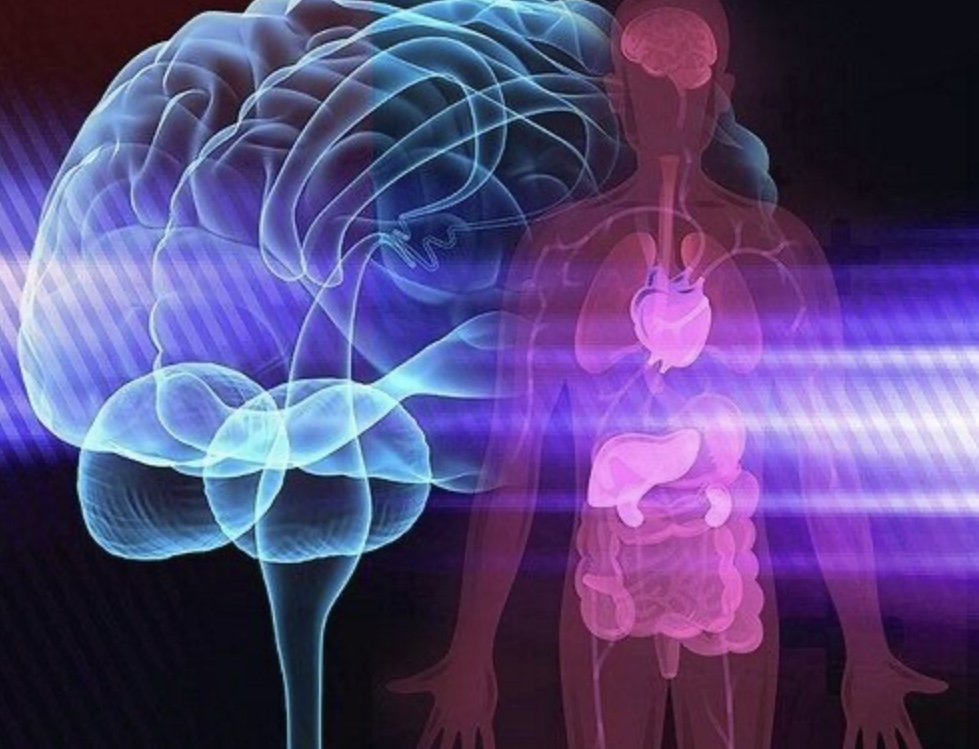
What are Basic Neurobiology Principles that Influence Communication?
- Humans influence each other’s nervous systems, whether they are aware of it or not.
- Our brain is designed to detect trust and distrust in our communications.
- Trust and distrust are mediated by two separate areas of the brain: trust by the prefrontal cortex (cognitive center) and distrust by the amygdala (emotional center).
- Distrust activates the amygdala to trigger the release of cortisol and fight or flight neurochemicals.
- When cortisol dominates our bodies, we are minimally or unable to engage and connect empathically/mindfully.
- Trust engages the prefrontal cortex with the release of oxytocin and other neurochemicals that promote connection and learning. The prefrontal cortex helps us make judgment calls, have empathy and compassion, and anticipate the future.
What are Evidence-Based Conversation Types?
1. Transactional Conversations
Purpose: Exchange of facts, information, or confirmation (“asking and telling”).
Neurobiology:
- Often involves dopamine for reward and attention to new information.
- Oxytocin may be present in supportive exchanges, but levels are generally lower than in bonding conversations.
- Endorphins can be released if the interaction is smooth and goal-oriented.
- The brain’s prefrontal cortex is active for processing and organizing information, while the default mode network is less engaged, keeping focus on task completion.
2. Positional Conversations
Purpose: Advocacy, opinion defense, or inquiry (“advocating and inquiring”).
Neurobiology:
- Higher dopamine for reinforcing personal beliefs and defending them.
- Cortisol (stress hormone) may rise if the conversation is adversarial or high-stakes.
- Oxytocin can be suppressed if the interaction is competitive or defensive.
- The amygdala and anterior cingulate cortex are more active, reflecting vigilance and conflict monitoring.
3. Transformational (“Feel-Good”) Conversations
Purpose: Building trust, empathy, and emotional connection.
Neurobiology:
- Strong oxytocin release, especially in mutual trust and empathy.
- Dopamine for pleasure and reward from positive social interaction.
- Endorphins for stress reduction and well-being.
- Mirror neuron system activation, allowing empathy and shared emotional states.
4. Other Conversation Types (e.g., bonding, problem-solving, conflict resolution)
- Bonding conversations (e.g., deep emotional sharing) often have the highest oxytocin and lowest cortisol, promoting long-term relationship strength.
- Problem-solving conversations engage both executive control networks (planning, reasoning) and social cognition networks (theory of mind, empathy).
- Conflict resolution can alternately activate stress systems and then reward systems if handled constructively.

What is Active Listening and Why is it Important?
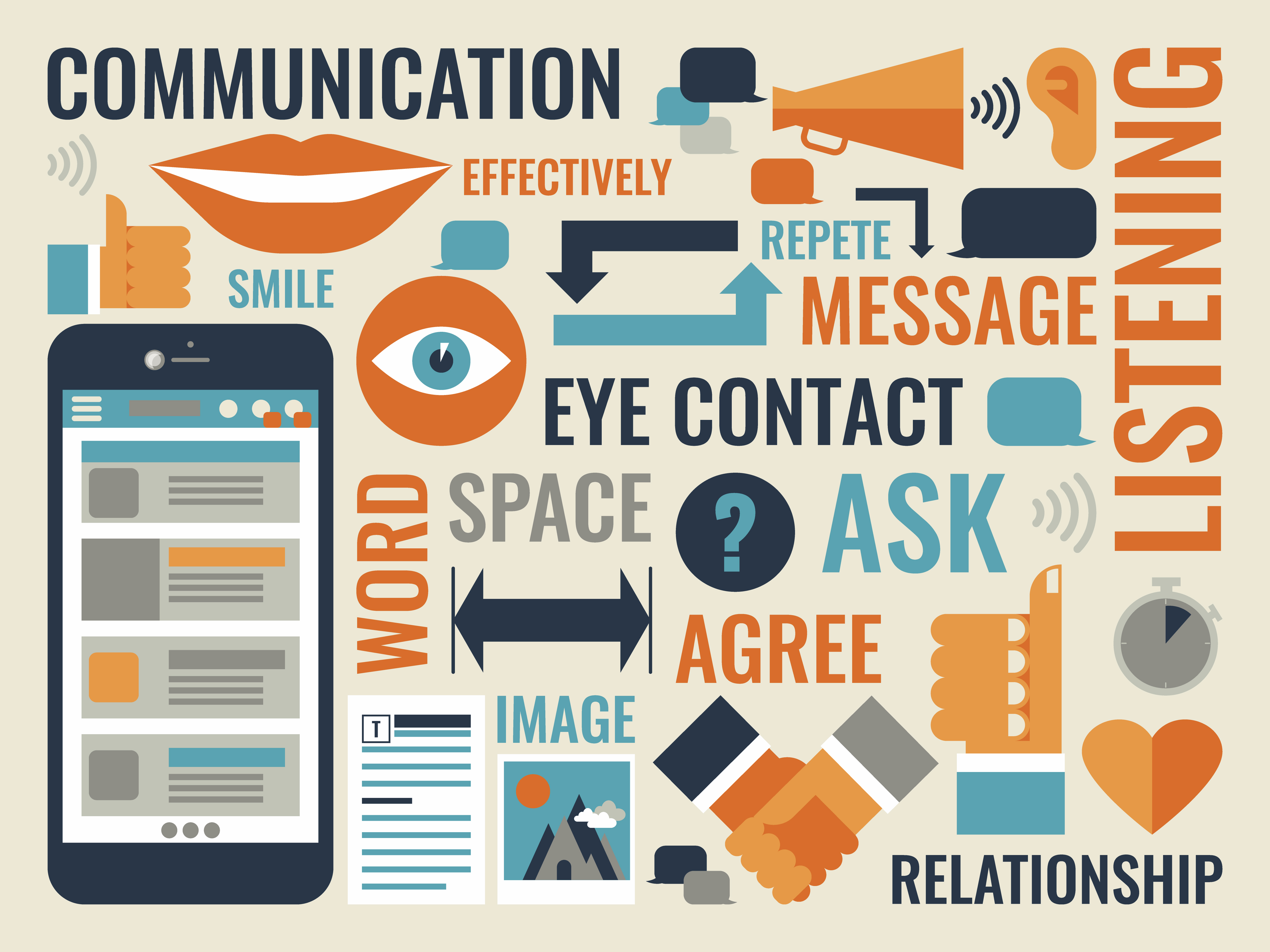
- An active listener engages physically and mentally, shares eye contact, and uses positive affirmation to show they are paying attention.
- When we listen to connect, we activate Wernicke’s area
- Part of the brain responsible for language comprehension.
- The stronger the listening relationship is between the speaker and the listener (neural coupling), the more mutually successful the conversation will be.
- When we listen to connect, we activate Wernicke’s area
- Being able to see the world from others’ perspectives is the benchmark of transformational conversations.
What are Activities that Strengthen Self-Awareness and Communication Skills?
- Practicing mindful communication techniques, such as active listening and empathetic responses.
- Start small and when feeling emotionally balanced.
- Mindfulness Activities
- Manages stress, enhances emotional regulation, and promotes overall well-being.
- Journaling for Self-Reflection
- Facilitates emotional processing, integration of experiences and expanding awareness of patterns.
- Positive Psychology Interventions
- Implementing positive psychology interventions, such as gratitude exercises and acts of kindness, developing self-compassion.
Proposed questions for thought/sharing:
- In recovery, have you noticed changes in your communications with others? How have they changed?
- How do you want to change your communications with others? Where and with whom would you like to start?
- Does this communication information give you some ideas to approach communications in the future?
Prompt for Writing or Detailed Thought This Week:
Think about a time when you had a transformative conversation? Did you initiate the conversation or did the other person initiate the conversation? What were your feelings, thoughts, and emotions when you started the conversation? What were your feelings, thoughts, and emotions when you ended the conversation? Were you able to actively listen, even during times of disagreement? How? Did you learn anything from that experience? How did that conversation enhance your relationship?
Think about a time when a conversation ended in anger and/or disappointment? Did you initiate the conversation or did the other person initiate the conversation? What were your feelings, thoughts, and emotions when you started the conversation? What were your feelings, thoughts, and emotions when you ended the conversation? Were you able to actively listen, even during times of disagreement? Why? Did you learn anything from that experience? How did that conversation enhance your relationship?
Disclaimer:
This summary is for general informational purposes only and does not constitute the practice of medicine or other professional health care services, including the giving of medical advice, and no doctor/patient relationship is formed.
Leave a Reply