

https://www.youtube.com/watch?v=uH5JQDAqA8E
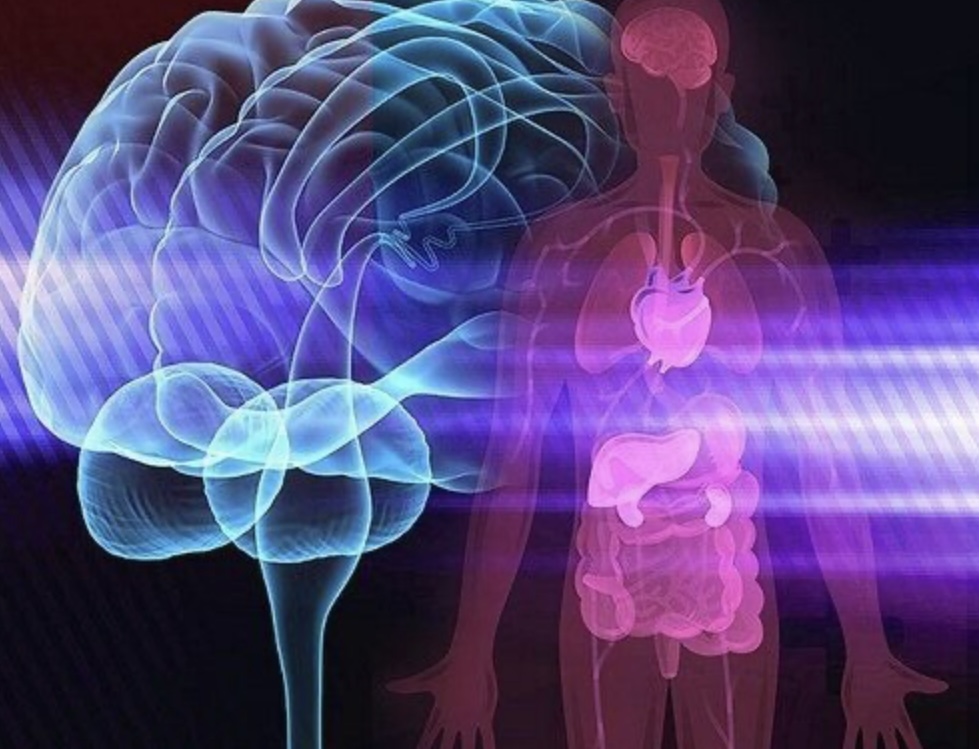
Polyvagal Theory, developed by neuroscientist Stephen Porges, is based on the hypothesis that the Autonomic Nervous System is central to the human experience. It describes how our nervous system evolved to allow us to regulate the functioning of our organs, assess whether things are safe, and connect with others.
The Polyvagal Theory gives us an embodied and relational perspective on mindfulness.
Inner Connection & Inter-Connection go together.
The Polyvagal Theory states that:
– there is a nervous system circuit that mediates mindfulness,
– this is the circuit that has to do with social engagement.
There appears to be a bi-directional link between being mindful and being connected. That is, being connected makes us more mindful, and being mindful helps us strengthen our connection.
That being mindful helps connection is widely acknowledged. In fact, this is one of the reasons that motivate people to engage in mindfulness practice.
Mindfulness & Organic Co-Regulation:
Being close to others, and experiencing a sense of connection, is a very profound need. It is at the root of our humanity. It starts with the gaze between parent and infant. This close connection is the training ground where we, as infants, develop the ability to modulate our emotions. As adults, the rhythms of our interactions continue to have a deep influence on our ability to modulate our emotions.
What is Co-Regulation? It’s “getting in sync with each other”. Think of the sense of harmony that happens as you dance together, or sing together. Think about attunement, progressively getting in tune with each other as we fine-tune our connection. Much of this happens below awareness, at a sensing level rather than a cognitive level.
What makes our connections satisfying is not just the content of what we talk about. Much of the satisfaction comes from feeling a sense of connection. We sense that there is a mutual intention to be with each other. We get attuned to each other’s rhythms of voice and facial expressions. What happens then is an organic process of co-regulation. The safety and the sense of support that we unconsciously perceive allow our individual nervous systems to shift from reactivity to a more mindful state.
The Polyvagal Theory puts mindfulness within a broader context: how we manage interaction. Moment by moment, we implicitly assess our situation. Neuroception takes place below awareness. However, it is possible to develop our capacity for mindful awareness of what we sense through NEUROCEPTION.
Understanding Neuroception: Neuroception is a subconscious process by which our brain detects safety or danger in our environment. This detection significantly influences our stress response. When we perceive safety, our body can relax, while a perception of danger can trigger stress responses.
Role of Body Scans in a Mindfulness Practice/MBSR:
The body scan is one of the foundational practices in Mindfulness practice/MBSR. They involve focusing attention on different parts of the body to enhance awareness of bodily sensations. It’s often the starting point for people learning mindfulness because it provides an accessible, concrete focus: the physical sensations of your own body.
Benefits of Body Scans
– Increased Awareness: Body scans help individuals become more aware of their physical sensations, which can lead to better emotional responses.
– Relaxation: By focusing on bodily sensations, participants can reduce tension and stress, fostering a sense of calm.
– Emotional Regulation: Regular practice can improve the ability to manage emotions, contributing to a healthier neuroceptive response.
The body scan is one of the foundational practices in mindfulness-based stress reduction (MBSR), developed by Jon Kabat-Zinn at the University of Massachusetts Medical Center.
Despite its apparent simplicity, the body scan does sophisticated psychological work — cultivating awareness, reducing habitual tension, and building the capacity to be with experience rather than avoiding it.
Specific Mechanisms through which Body Scan works include:
Interoceptive awareness: Research suggests that mindfulness practices, including body scan, increase the accuracy of interoceptive awareness — the ability to perceive internal bodily signals. Interoception is implicated in emotional regulation, and improving it may be one mechanism of therapeutic effect.
Default mode network modulation: Body scan practice appears to reduce activity in the default mode network (the self-referential, ruminative brain network), potentially interrupting rumination patterns.
Parasympathetic activation: Sustained attention to body sensations with acceptance appears to support vagal tone and parasympathetic nervous system activity.
Decentering: The observational stance cultivated in body scan — “noticing tension” rather than “being tense” — develops metacognitive awareness that generalizes to emotional experiences.
https://www.simplypsychology.com/articles/body-scan-meditation-guide
Leave a Reply