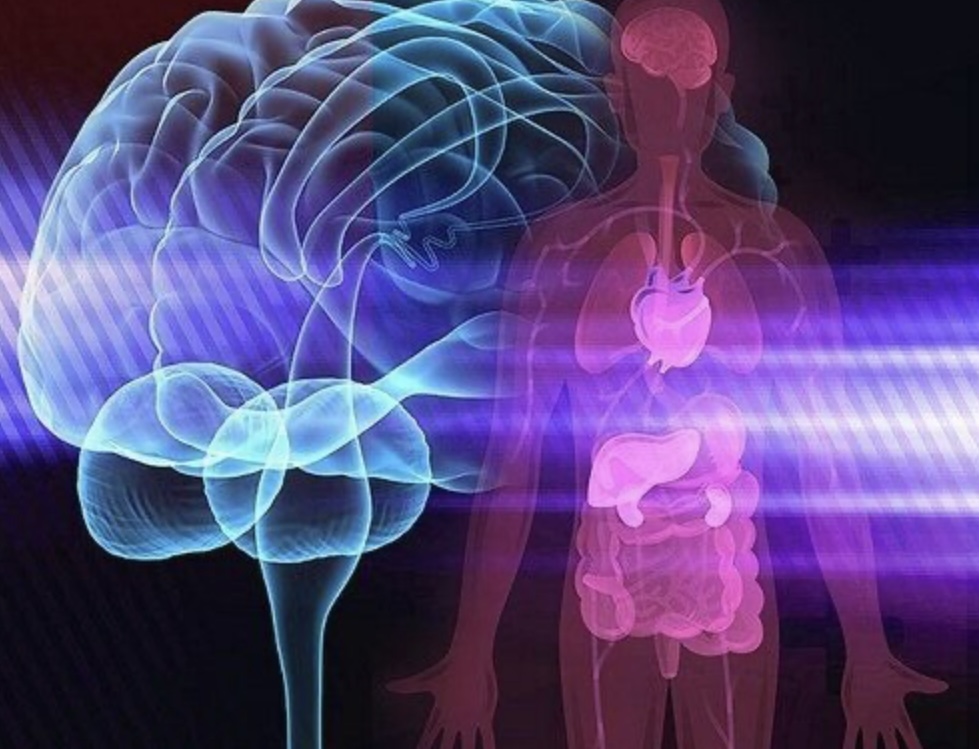

“Once you start to approach your body with curiosity, rather than fear, everything shifts”. Besser van der Kolk, MD (The Body Keeps The Score)
What is Polyvagal Theory (PVT)?
- The vagus nerve is the longest nerve in the autonomic nervous system running from the brainstem to the colon.
- It is a major part of our parasympathetic nervous system (rest and digest).
- Vagal nervous system balance is negatively impacted primarily by:
- Ongoing high mental or physical stress
- Toxins or infections
- Alcohol and drug addictions
- According to Polyvagal Theory, there are 3 autonomic nervous system pathways. Note: Some details of PVT are not consistently empirically validated. However, therapeutic application has been effective for many people.
- Dorsal vagal pathway (rest and digest)
- When compromised in response to ongoing stress and/or trauma, can shut down and go into a freeze response. Analogy-like a dark basement that you retreat into, and hide when the outside world feels unsafe.
- Ventral vagal pathway (social cues/engagement)
- When in a calm state, supports social connection, emotional regulation, and effective problem solving. Analogy- like the warm, social living room where family/friends come together.
- Sympathetic nervous system (fight or flight)
- Associated with fear and anxiety that helps individuals respond (though not always appropriately) to perceived threats. Analogy- like the alarm security system.
- Dorsal vagal pathway (rest and digest)

- For optimum physical and mental health, we need to be able to move between each of these states with flexibility, and not get stuck in any particular one.
- Stuck in the dorsal vagal state we carry loneliness, disconnection, and numbness.
- Stuck in the sympathetic state, we carry fear, distrust, dysregulation, and anxiety.

What are Important Vagal Nervous System Principles that Support Optimum Physical and Mental Health?
- Neuroception (beneath conscious awareness)
- Depending on how our nervous system ‘interprets’ a situation determines which pathway (dorsal vagal, ventral vagal, or sympathetic) comes online.
- We know that 80% of the vagus’ nerve fibers send sensory information up from the body to the brain, while only 20% send information downwards from the brain to the body.
- Co-regulation (connection)
- The unconscious process by which one person’s autonomic nervous system is calmed, balanced, or energized through interaction with others.
- “A dance of neural regulation” that strongly influences overall well being.
- The process of sending and receiving signals of safety with others.
- Often non-verbal signals such as tone of voice, facial expressions, and postures.
- A biological need that is as important for mental health, as food and water are for physical health.
- Strongly influences our biological homeostasis (e.g. heart rate, breathing) to manage stress.
- Co-regulation supports our ability to recover from the challenges in life.
- Resilience is our ability to bounce back from adversity.
- Healing is the process by which we recover from injury, trauma, or stress.
- The unconscious process by which one person’s autonomic nervous system is calmed, balanced, or energized through interaction with others.
How Does Trauma and Addiction Impact Co-regulation?
- Trauma can significantly disrupt the autonomic nervous system, resulting in an individual’s impaired ability to engage in co-regulation.
- Through hyperarousal (fight or flight) or hypoarousal (numb or dissociated).
- Addiction can serve as a substitute for safe co-regulation connection.
- Drugs, alcohol, food, or any addiction can simulate nervous system “calm” and/or pain relief.
- Can become a survival strategy when human connection feels unsafe or unavailable.
- This nervous system coping mechanism is not a moral failure.
What Strategies Can Facilitate Co-Regulation?
- A nurturing and supportive therapeutic relationship can provide reliable cues of safety to practice nervous system alignment.
- Group settings and peer support can offer a safe space for practicing social engagement behaviors without judgment.
- Somatic interventions focus on bodily sensations and movements to help individuals reintegrate their body and mind post-trauma.
What Activities Self Regulation Activities Support Autonomic Nervous System Balance
- Intentional deep breathing (physiological sigh, box breathing).
- Movement: Yoga, dance, exercise (especially aerobic).
- Music, drumming, art, tapping
- Massage
- Mindfulness/meditation
- Cold exposure can calm the sympathetic fight-or-flight response
- Small stress activities (micro-challenges) to desensitize the “alarms” of an oversensitive sympathetic nervous system.
Proposed Questions for Thought/Sharing:
- Did this information spark any curiosity and how?
- Have any activities helped you increase flexibility between states of “shut down” and “high alert”?
- Have any activities worsened your flexibility between states of “shut down” and “high alert”?
Disclaimer
This summary is for general informational purposes only and does not constitute the practice of medicine or other professional health care services, including the giving of medical advice, and no doctor/patient relationship is formed.
Leave a Reply