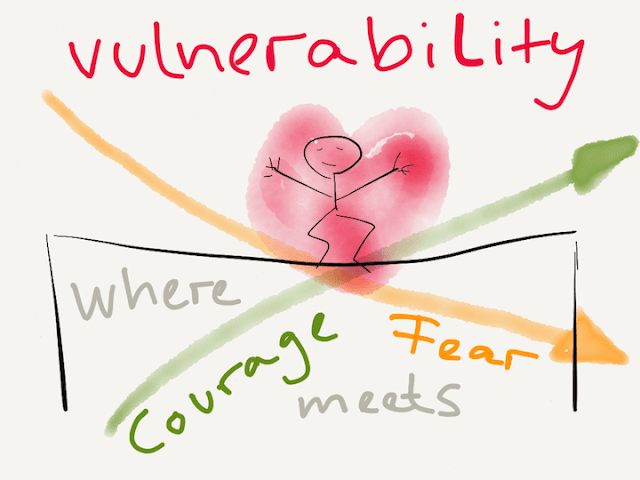
“Vulnerability is the birthplace of love, belonging, joy, courage, empathy, and creativity. It is the source of hope, empathy, accountability, and authenticity. If we want greater clarity in our purpose or deeper and more meaningful spiritual lives, vulnerability is the path.” -Brene Brown
What is Vulnerability?
- Positive vulnerability is a courageous, intentional act of opening oneself to emotional risks in order to foster authentic connection and personal growth.
- Vulnerability as a healing tool (the “active” state) refers to an active choice to be authentic and open, which strongly supports neurobiological and emotional repair.
- Negative vulnerability is a state of being exposed, either by choice or circumstance, that leads to harm or discomfort without corresponding growth.
- Vulnerability as a risk factor (the “at-risk” state) refers to the factors that increase the likelihood of developing a substance use disorder or experiencing a relapse.
How does Positive/Active Vulnerability Support Recovery?
- Improves emotional regulation
- A way to practice expressing and processing difficult emotions to work through shame.
- Builds resilience
- A way to gain confidence and belief in our ability to handle challenging situations.
- Strengthens relationships
- Fosters intimacy by deepening our compassion, empathy, and connection to others in our life.
- Vulnerability Examples
- Talking about mistakes you have made.
- Sharing personal information that you normally keep private.
- Feeling and sharing difficult emotions such as shame, grief, or fear.
- Reconnecting with someone after a relationship disruption.
- Being honest about what you need in a relationship, including boundaries and expectations.
What are Barriers and Cultivators of Healing Vulnerability?
- Barriers
- Fear of rejection or abandonment.
- Can trigger shame.
- Overcoming the socialized/conditioned message that vulnerability is a weakness, especially with men.
- Cultivators
- Crying: facilitates emotional processing, releases stress relief neurochemicals (endorphins, oxytocin), and helps our body detoxify stress hormones and toxins.
- Start small: sharing simple experiences with someone or a group of people you trust.
- Practice self-compassion: embrace our authentic self including flaws, imperfections, and past mistakes.
- Professional support may be important, especially when addressing early childhood and/or complex trauma.
- Celebrate successes: Self acknowledgement of small steps reinforces continued practice and growth.
Why Is Crying Therapeutic?
- Emotional crying is a highly specialized neurobiological regulation tool that allows the body to shift from hyper-arousal to nervous system recovery. Important Point: Suppressing emotional tears prolongs stress activation, while allowing them to flow serves as an essential safety valve for psychological well-being.
- Parasympathetic Nervous System (PNS) Activation: Emotional crying activates the vagus nerve and the parasympathetic pathway. This shifts the body out of its sympathetic “fight-or-flight” response and into a calm “rest-and-digest” state.
- Cardiovascular & Respiratory Regulation: During a crying episode, the heart rate slows down, muscle tension drops, and breathing stabilizes. Crying often induces what neuroscientists call a “physiological sigh”—two quick inhales followed by one prolonged exhale—which naturally lowers systemic stress levels.
- Opioid and Oxytocin Cascade: Prolonged crying triggers the central release of endorphins (endogenous opioids) and oxytocin. These neurochemicals act as natural analgesics that blunt emotional and physical pain while introducing a sense of calm, emotional relief, and safety.
- Hormonal Evacuation: Emotional tears have been found to contain significantly higher levels of proteins and hormones, such as cortisol and prolactin, compared to irritant tears. Shedding tears serves as a literal excretory channel, helping the body expel biochemical markers of stress.
- Interpersonal and Social Soothing: Tears act as a critical visual cue that changes co-regulation between people. Visible tears activate the observer’s mirror neuron system suppressing interpersonal aggression and automatically inviting empathy, protective support, and social bonding. This external comfort provides a secondary tier of emotional regulation known as “social soothing”.
Proposed questions for thought/sharing:
- Did barriers to vulnerability play a role in your addiction? How?
- Has vulnerability played a role in your recovery? How?
- Has this information about the therapeutic benefits of tears changed your perspective about crying? How?
Disclaimer
This summary is for general informational purposes only and does not constitute the practice of medicine or other professional health care services, including the giving of medical advice, and no doctor/patient relationship is formed.Vulnerability
Leave a Reply