
“Anger is just anger. It isn’t good. It isn’t bad. It just is. What you do with it is what matters. It’s like anything else. You can use it to build or to destroy. You just have to make the choice.”
– Jim Butcher, White Night
Why May I be Feeling More Anger in Early Recovery?
- Many people experience Post-Acute Withdrawal (PAWS) while our nervous system re-adjusts in early sobriety for up to 2 years.
- Prominent symptoms of PAWS are heightened emotions, especially anger, fear, and sadness. Note: this increased emotionality can come and go throughout early recovery.
What is the Neurobiology of Anger?
- Anger is a fundamental emotional response that has evolved to help individuals react to threats.
- Anger and fear are closely linked emotions that share overlapping neural pathways, with fear often acting as a precursor to anger in response to perceived threats.
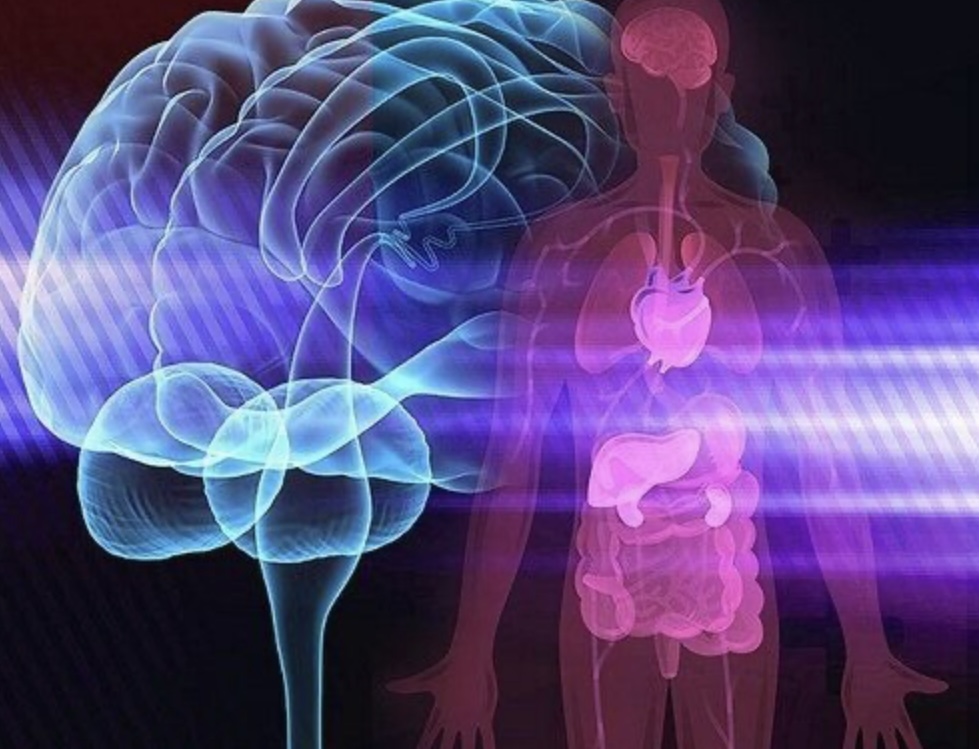
- Primary anger, an immediate amygdala response, activates neurochemicals and hormones that are necessary for survival to “fight” and protect.
- We use our prefrontal cortex to process and to decide how to respond/cope/manage anger. Our prefrontal cortex needs time to process.
What are Negative Consequences of Unhealthy/Unhelpful Anger?
- The released neurochemicals (e.g. norepinephrine) and hormones (e.g. cortisol) are physically (increased heart rate, impaired immune system, impaired metabolism) and emotionally harmful in high doses when anger is not expressed in healthy ways.
- Uncontrolled anger and anger suppression are high correlates for addiction; strong triggers for relapse; and negatively impair mental, physical, relational, and occupational functioning.
- Anger suppression may cause physical (muscle tension and head, neck, or back pain) and mental health (depression, anxiety) symptoms.
What are Positive Outcomes of Healthy/Helpful Anger ?
- When channeled usefully, anger can help us identify problems or things that are hurting us and motivate us to make personal and/or relational changes.
- Being open to our fear and anger helps us better connect with ourselves, offers us insight into our sense of safety, and offers us an opportunity to mindfully choose how to respond to, rather than react to them.
What are Common Sources of Anger?
- Primary anger is an important functional response to protect safety including setting boundaries.
- Anger is often a secondary emotion that generally arises in response to perceived wrongs or injustices. Fear and pain/irritation are often the twin roots of anger. Fear and pain/irritation may be physical, psychological, or both.
- Expectations can lead to disappointment/resentment and subsequent unhealthy/unhelpful anger.
What Activities Support Healthy/Helpful Responses to Anger?
- Learning to PAUSE and recognize more specific “angry” emotions supports “responding” rather than “reacting”.

- Recognize personal cues/triggers, including how expectations influence our anger.
- Develop plans for practicing helpful expectations and responses to disappointment.

- Regular exercise, healthy eating, healthy sleep
- Meditation/mindfulness, gratitude practice, play and creative activities
- Set healthy boundaries
- Practice assertive versus aggressive communication
Your Complete Non-Violent Communication Guide (positivepsychology.com)
A Beginner’s Guide to Compassionate Communication (thinkbetteracademy.com)
- Process anger inducing events with a trusted friend, Lifering, therapist
Proposed questions for thought/sharing:
1. What changes have you made to improve how you recognize and respond to anger and how have those changes supported your recovery/wellness?
2. What are your challenges with anger, including anger suppression? Any ideas for the future?
Prompt for Writing or Detailed Thought This Week:
Think about a recent time when you felt angry. How did you respond? How did you wish to respond? Where did you experience anger in your body? Was there a possible other emotion involved? Did you learn anything from that experience?
Disclaimer
This summary is for general informational purposes only and does not constitute the practice of medicine or other professional health care services, including the giving of medical advice, and no doctor/patient relationship is formed.
Leave a Reply