
“Shame corrodes the very part of us that believes we are capable of change” – Brene Brown
What is the Difference Between Shame and Other Types of Self-Criticism or Shameful Experiences?
- Transient Shame: a temporary feeling you get when you make a mistake, perhaps in a social setting.
- Guilt: I did something regrettable; leads to healthy remorse.
- Embarrassment: Triggered by an event that is normal, fleeting, and may eventually even be amusing.
- Humiliation: one of the most intense forms of shame and comes about when we are critically embarrassed about something.
- Shame, also referred to as toxic shame or chronic shame: I am bad, flawed, unworthy, unfixable; part of core identity rather than a transient state.

Why is Addressing Shame Important?
- Because shame is so tied to relational safety, insecure attachment styles can create a vicious cycle
- insecure attachment → heightened shame → avoidance or overcompensation → further relational insecurity. This cycle can perpetuate difficulties in trust, intimacy, and conflict resolution.
- Unrecognized and/or unaddressed shame is a significant relapse risk factor.
- A common shame cycle is drink/use→shame→drink/use.
- This cycle is also frequently a source of unhealthy eating patterns and other addictive patterns.
What Neurobiological Changes are Associated with Shame?
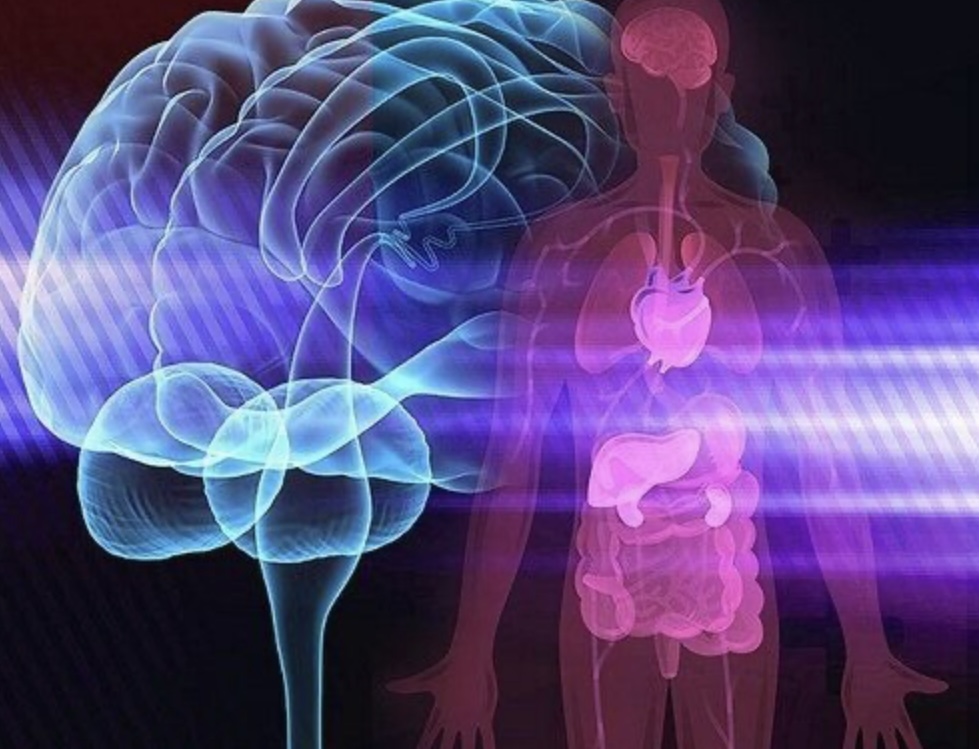
- Shame activates right hemisphere processing, especially the amygdala.
- The amygdala is integral for implicit (nonverbal) memory. These memories include perceptions, behavioral impulses, and emotional experiences.
- Shame can “shut down” rational thought and decision-making (executive functioning).
- Ongoing fear/danger responses heighten “fight and flight” responses (sympathetic nervous system) and subsequent over-functioning of the parasympathetic nervous system (withdrawal/shut down).
- Shame promotes prolonged stress, releasing high levels of glucocorticoids that can inhibit hippocampal (cognitive and behavioral memory) functioning.
- One may not know why one is experiencing a shame response or be surprised by a shame response to an experience.
What Are The Different Types of Shame?
- Implicit Shame
- Involves living not with conscious shame, but with a pervasive sense of inadequacy, insecurity and inferiority.
- One’s experience is structured around avoiding shameful exposure.
- Explicit Shame
- Having a conscious and persistent expectation that acute shame is an imminent possibility.
- Reinforces structuring behavior and interactions around avoiding shameful exposure.
- Having a conscious and persistent expectation that acute shame is an imminent possibility.
What Can Cause Shame?
- An insecure parent-child attachment, especially before the age of 2. This includes prenatal exposure to a mother’s stress hormones.
- Ongoing rejection from others due to childhood neurodivergence (mild autism, attention deficit disorders, learning disabilities, obsessive-compulsive disorders).
- Being the victim of bullying and/or social rejection, especially in early adolescence.
- Being the victim of emotional, physical and/or sexual violence as a child or adult.
- Ongoing rejection from others due to pervasive cultural, political, and/or social oppression.
What are Ways to Address/Heal Shame?
- Safe exposure to shame triggers
- The most effective pathway to healing shame is sharing vulnerable emotional moments with another trusted/safe person(s).
- Time and patience and support are essential.
- Recognizing shame
- Recognizing when shaming is going on in our thoughts and/or defensive behaviors. Learning to see mistakes as behaviors and not as a reflection of self-worth is essential to break the cycle.
- Accepting our core self
- Learning to define ourselves as worthy people is essential. We can learn to have self compassion, to see value and worth in ourselves.
- Practice self affirming voicing.
- Learning to define ourselves as worthy people is essential. We can learn to have self compassion, to see value and worth in ourselves.
- Making connections
- Connecting with supportive people is essential to see ourselves as part of a loving network.
- Social connections support emotional co-regulation.
- Connecting with supportive people is essential to see ourselves as part of a loving network.
- Practice mindfulness
- Observing thoughts and feelings helps one recognize certain triggers. Are there certain experiences that lead to feelings of shame? Are there certain unhelpful behavioral defenses to avoid shame? How can one mindfully face these triggers?
- Seek support
- Actively participating in self-help meetings, therapy and/or other treatment options provide corrective/healing relationships and support strategies for a recovery/wellness plan that include addressing shame.
Proposed Question for Thought and/or Sharing:
1. Has shame been a factor in your addiction cycle? What were or are your cues that shame has been activated? How have you or how do you plan to address/heal shame?
Disclaimer
This summary is for general informational purposes only and does not constitute the practice of medicine or other professional health care services, including the giving of medical advice, and no doctor/patient relationship is formed.
Leave a Reply