
“I arise in the morning torn between a desire to save the world and a desire to savor the world. This makes it hard to plan the day.” E. B. White
Mindfulness practice can help us align each day with a positive purpose and so can a gratitude practice.
Benefits of Gratitude: better health, sounder sleep, less anxiety and depression,
higher long-term satisfaction with life, and kinder behavior toward others.
Gratitude’s a natural response to our life but it’s sometimes blocked by that evolutionary negativity bias in a brain designed for our survival.
Gratitude: embracing all that makes our lives what they are.
Gratitude: includes the willingness to expand our attention so that we notice more of the goodness we are always receiving.
Gratitude depends on our ability to pay attention.
Mindfulness, at its most basic, is nothing more than “paying attention”.
On purpose, in the present moment and without judgment.
Growing body of evidence in the field of social science found that gratitude appears to contribute substantially to individual well-being and physical health.
Greater Good Science Center at the University of California, Berkeley, a leader in research on the science of social and emotional well-being
—describes gratitude as the “social glue” key to building and nurturing strong relationships.
Robert Emmons, professor of psychology at UCLA and one of the world’s leading experts on the science of gratitude, defines gratitude as having two parts:
First is an affirmation of goodness:
People can learn to wake up to the good around them and notice the gifts they have received.
Second part of gratitude is recognizing that the source of this goodness rests outside of oneself—that we receive these gifts from other people, and sometimes from something outside of ourselves.
In other words, gratitude helps people realize that they wouldn’t be where they are without the help of others. That, perhaps, none of us are really alone.
Gratitude practices appear to help you feel more satisfied in life and can boost self-esteem, according to peer-reviewed research.
Why is a Gratitude practice so powerful?
It strengthens positive recall and deepens resilience.
Robert Emmons: “practicing gratitude magnifies positive feelings more than it reduces negative feelings.”
Gratitude helps you see the bigger picture and become more resilient in the face of adversity.
“Strengthening your positive recall bias makes it easier to see the good things around you even when times are dark,”
Why does Gratitude have such a positive effect on our physical well-being?
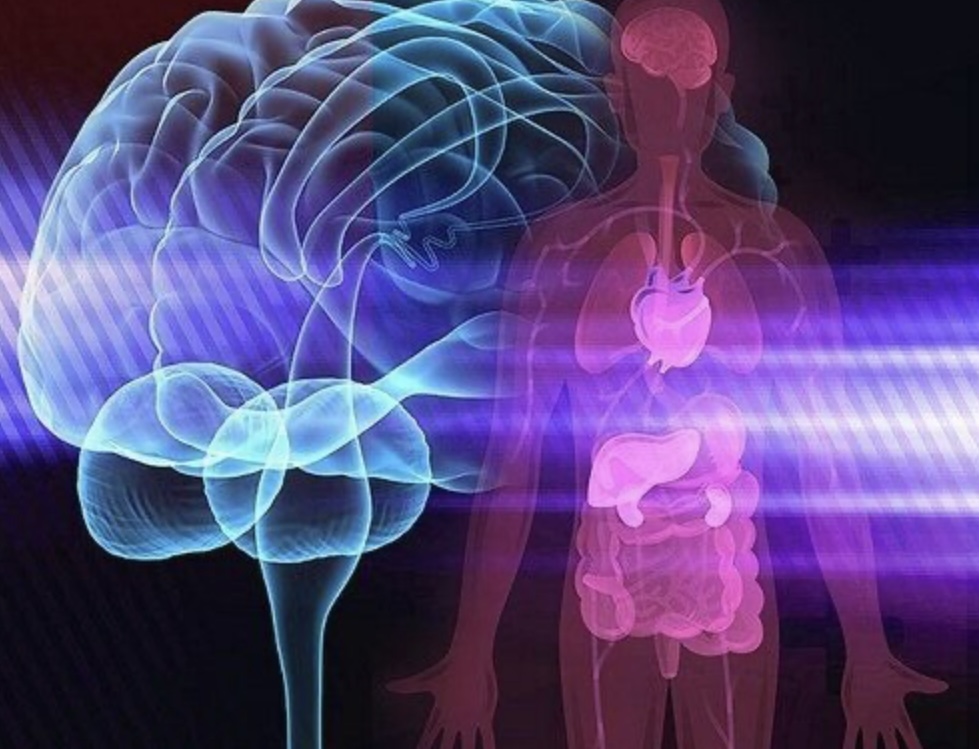
It calms the nervous system. It activates our parasympathetic nervous system: “rest and digest”.
“Physiological changes associated with gratitude: reduction in blood pressure, increase in vagal tone, or increased parasympathetic influence on the nervous system,”
Mindfulness also activates the parasympathetic nervous system.
Gratitude may also help to strengthen ties with friends, loved ones, and those in our wider communities.
Gratitude appears to have social implications by motivating individuals to give back,
pay back the kindness they may have received, and can also motivate a person to make decisions that will strengthen their relationships.
Gratitude plays important role in maintaining relationships, romantic or otherwise, by reminding us why the people in our lives are valuable and worth holding onto.
By practicing gratitude, people can initiate a cycle of generosity—one partner’s gratitude inspires the other to act in a way that reaffirms their commitment.
Cultivating gratitude can open the door to a different perspective-one that values the goodness in our lives. With practice, we can learn to see the bigger picture and navigate adversity with greater resilience.
https://www.mindful.org/the-science-of-gratitude/
https://greatergood.berkeley.edu/
The Thank-You Project: Cultivating Happiness One Letter of Gratitude at a Time by says Nancy Davis Kho.
The Little Book of Gratitude: Create a life of happiness and wellbeing by giving thanks by Dr. Robert Emmons, 2016.
Leave a Reply