
Lee Robins: The Vietnam Study
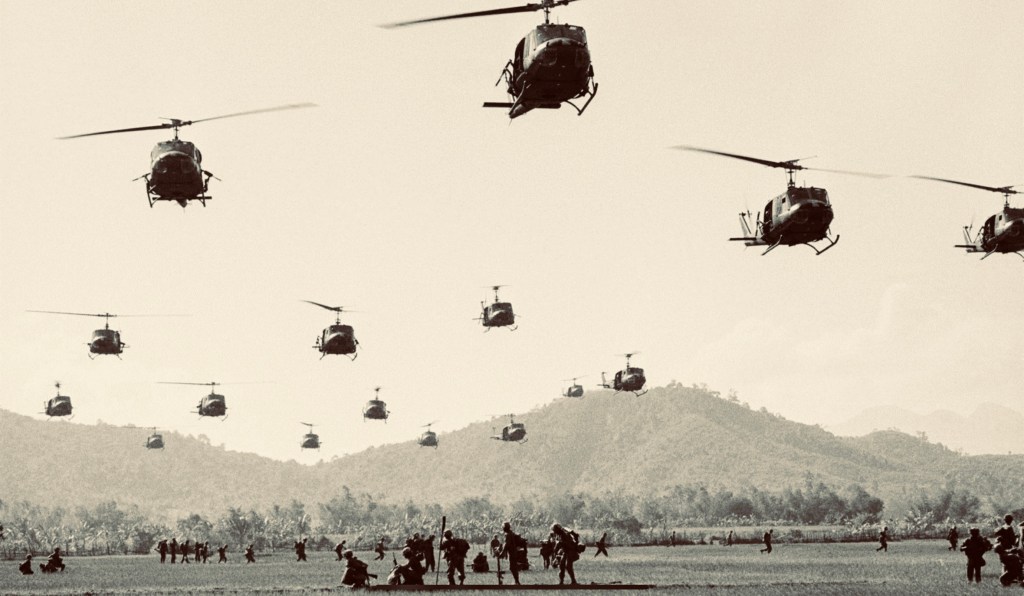
Some months ago I recalled something I had once heard about heroin and Vietnam. I could not remember much about it except that a lot of soldiers who had been addicted had recovered when they got home. This is what i found.

Lee Robins PhD
Lee Robins was born in 1922 in New Orleans, LA. She was academically and intellectually minded, earning her doctorate from Harvard in sociology in 1951. She was appointed to the faculty of Washington University School of Medicine in 1954 where she was to spend her 50 year career. Dr. Robins passed away from colon cancer on September 25, 2009.
Dr. Robins was a pioneer in psychiatric epidemiology. She authored hundreds of studies on psychiatric illness particularly among children and young people. Her work was meticulous and exhaustive in detail. She was able to craft her studies with precision. Variables were clearly defined and presented without ambiguity or editorializing. Statistics and methodology were straightforward. Because of this solid approach her work often dispelled popular myths and brought clarity to the fields she encountered.
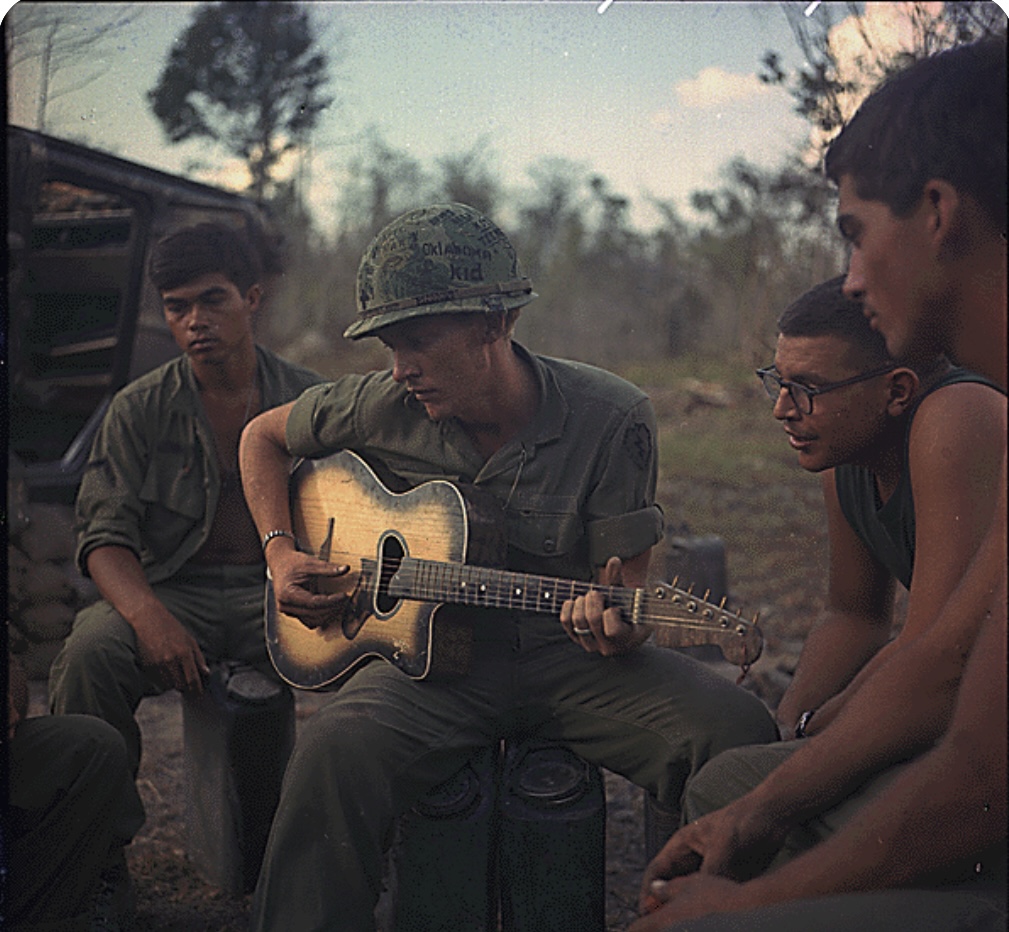
As the United States began to draw down some 200,000 troops from the war in Vietnam in 1970 the military had a problem. Widespread drug use, including heroin and opium among the service members was now becoming an open secret. Faced with growing panic at home about drug use, linked in the public mind with crime and delinquency, President Richard Nixon appointed the first “drug czar”, Jerome Jaffe, to head the new Special Action Office on Drug Abuse Prevention in 1971.
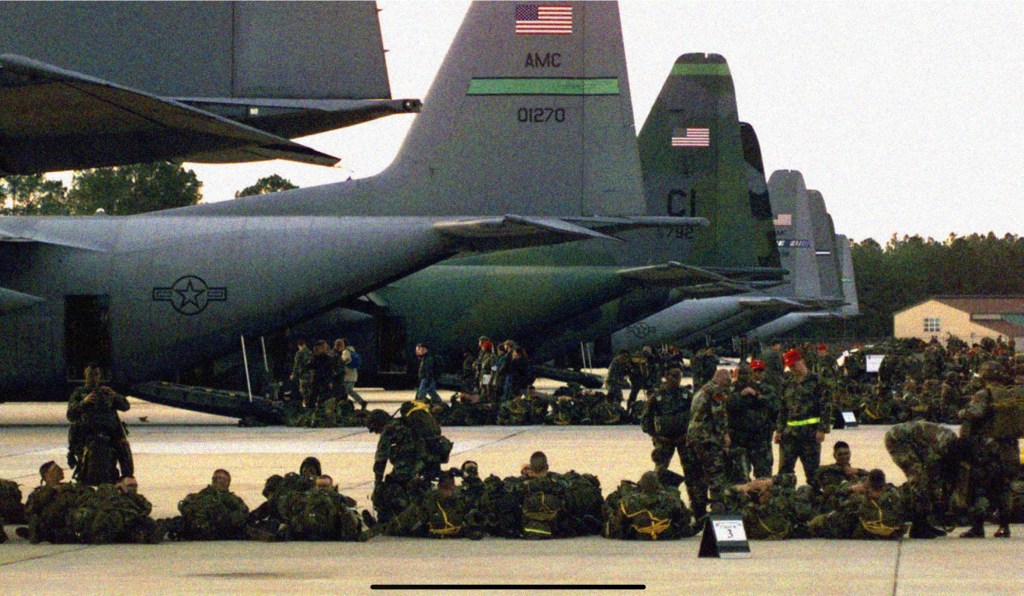
Soldiers waiting for departure back to the US
The specter of thousands of young drug addicted draftees descending on an unready public prompted quick reaction by the government. The administration enacted a procedure requiring all service members to undergo urine drug testing prior to return without any additional penalty. Any testing positive would be retained for two weeks pending a clean test. He also commissioned Lee Robins to conduct a comprehensive study on the matter with full support of the military establishment.
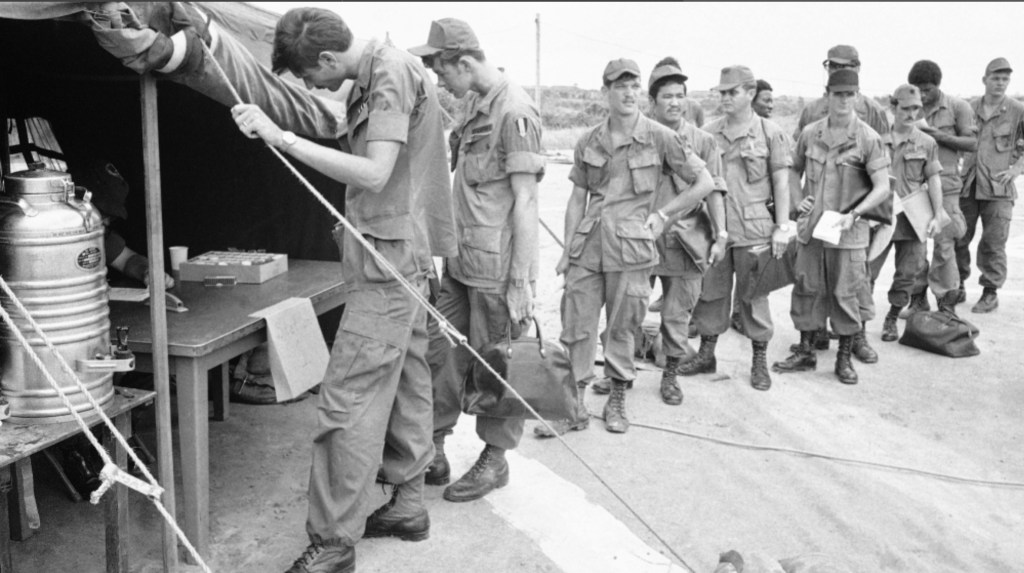
Soldiers line up for drug tests prior to departure.
Robins had a unique opportunity. Here was a well defined, extensively documented population in whom to study the natural history of opiate use and addiction. She had full access to the military database and set about assembling her team. To ensure impartiality an outside investigator was recruited for data collection.
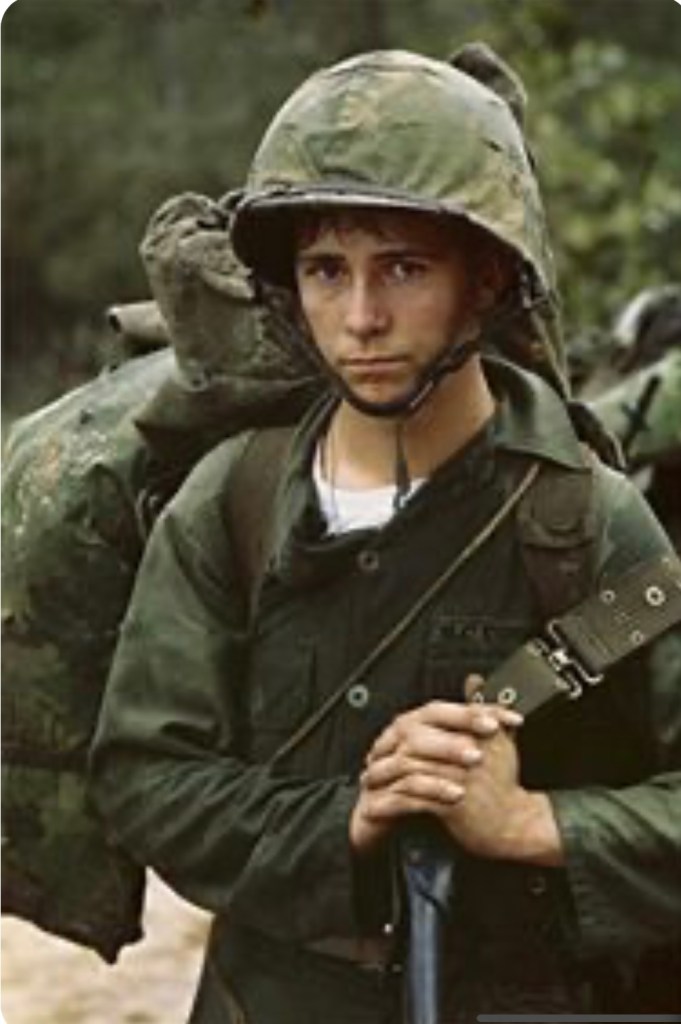
Most draftees were between the ages of 18 and 20
The study would consist of extensive interviews along with drug screens of a random sample of both positive and negative testers with follow up at 8-12 months. An additional study was performed two years later and compared with a civilian cohort. The military offered treatment through the VA where indicated. Treatment consisted largely of a variable stay at a VA facility with individual and group counseling. Methadone was provided in a small number of cases.
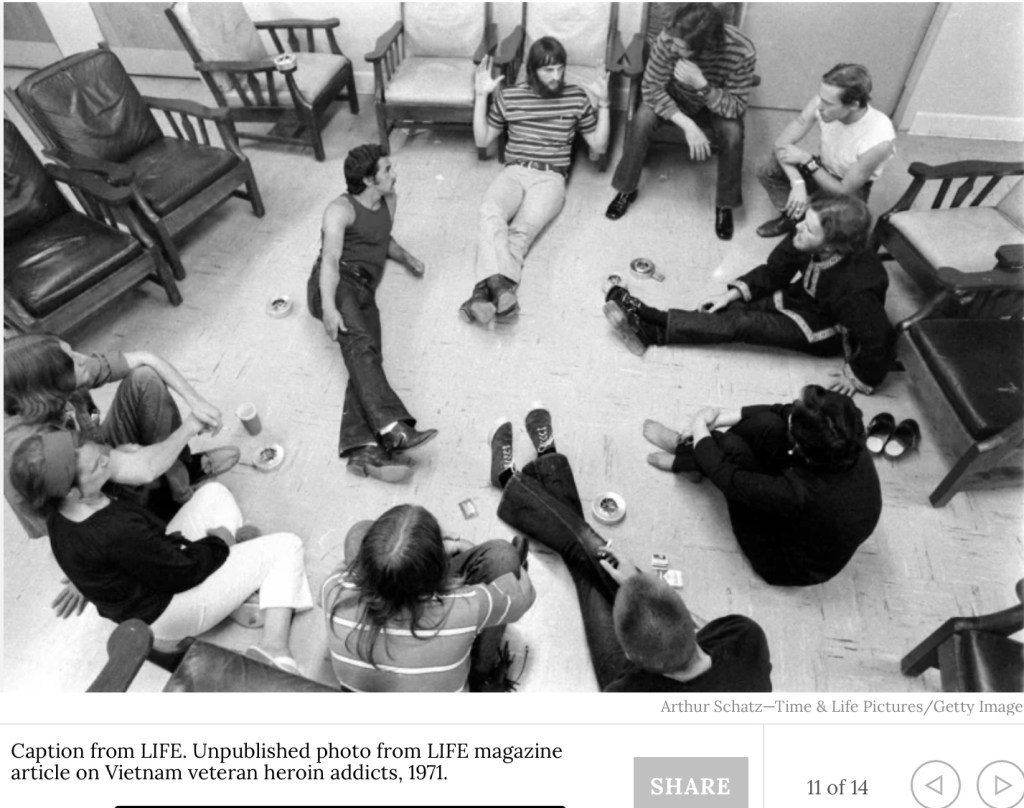
Treatment group Palo Alto VA hospital
The study design was straightforward. In September of 1971 a total of 13,760 service members were returned from Vietnam. Of these, two random sample populations were selected: 470 as a general population, and 495 from the subset drug test positive population. Study method was by interview and urine drug testing. Subjects were subdivided by demographics and history, such as prior incarceration, prior drug use, disciplinary measures, etc. A very high number of the original sample were interviewed at the 8 -12 month follow-up, 95% with 92% providing urine drug tests. Thus questions of validity due to subject drop out or self-reporting bias, often a problem in cohort studies, were eliminated.
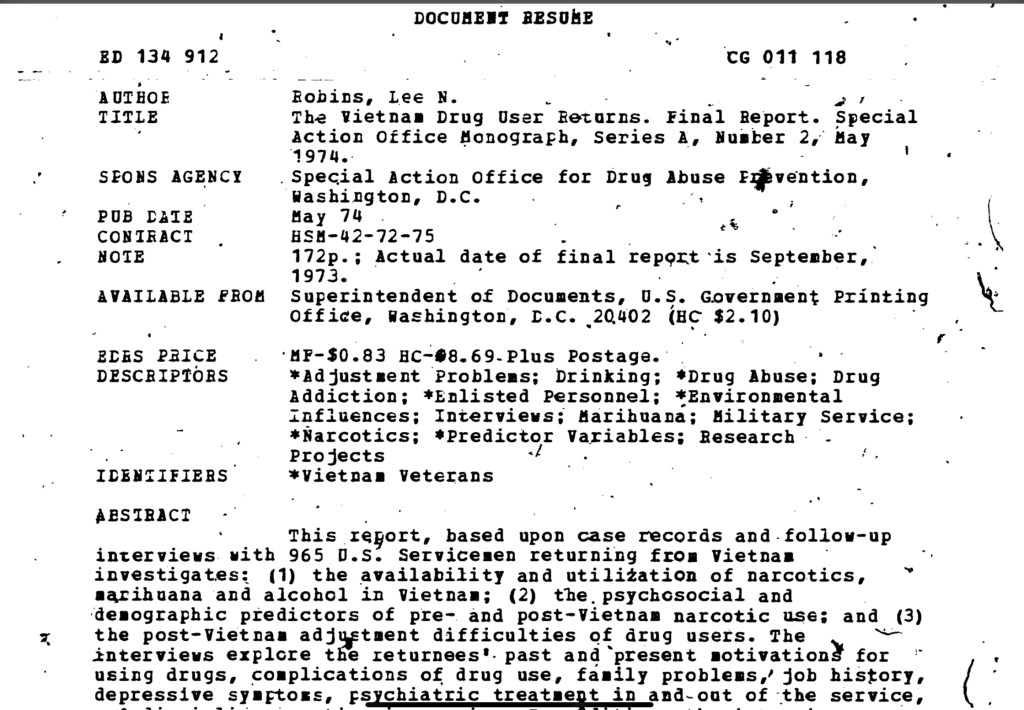
Cover sheet; copy of final report submitted by the research team.
The results were astonishing and met with a great deal of skepticism and criticism from the addiction treatment community and much of the public at large. There was high suspicion that the government was covering up for the problem it had created.
A few points to make about the particular situation in Vietnam. Heroin and opium were easily available, cheap, and most often offered soon after arrival. The quality was very high, about 90% pure compared to about 10% in the US. Thus it could be and most often was smoked or snorted rather than injected, typically by shaking a few grains into the end of a cigarette.
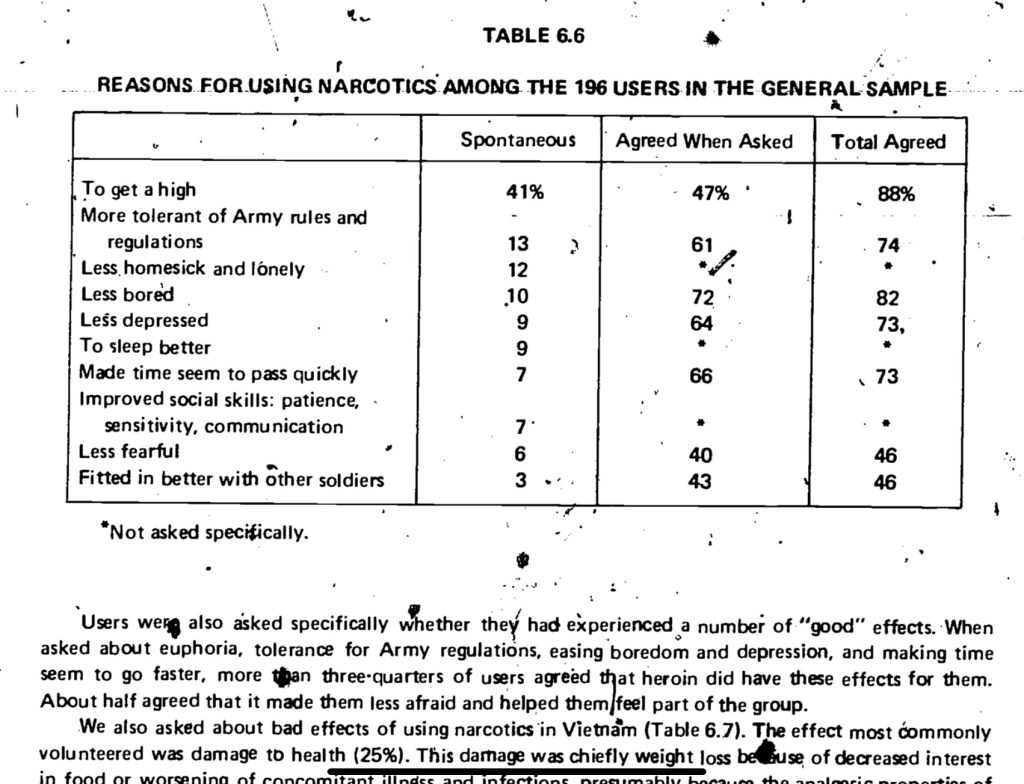
Contrary to intuitive conclusions, fear of combat, boredom, loneliness, depression, or anxiety were not found to be significant causes among users. The most commonly cited reason for use was simply “to get high”. Use during combat or active duty was infrequent. Most drug use occurred while on leave or off duty. The prototypical image of someone likely to become a heavy or addicted user such as educational status, socioeconomic status, race, or family problems showed poor or weak predictive value. As the report notes “apparently their behavior was very much like the country as a whole”.
Alcohol use was somewhat surprisingly negatively correlated with opiate or other drug use. The more heavily one drank the less likely to use narcotics and vice versa. Symptomatic alcohol use did increase after return reaching around 38%.
Drug availability in Vietnam was reported as follows:
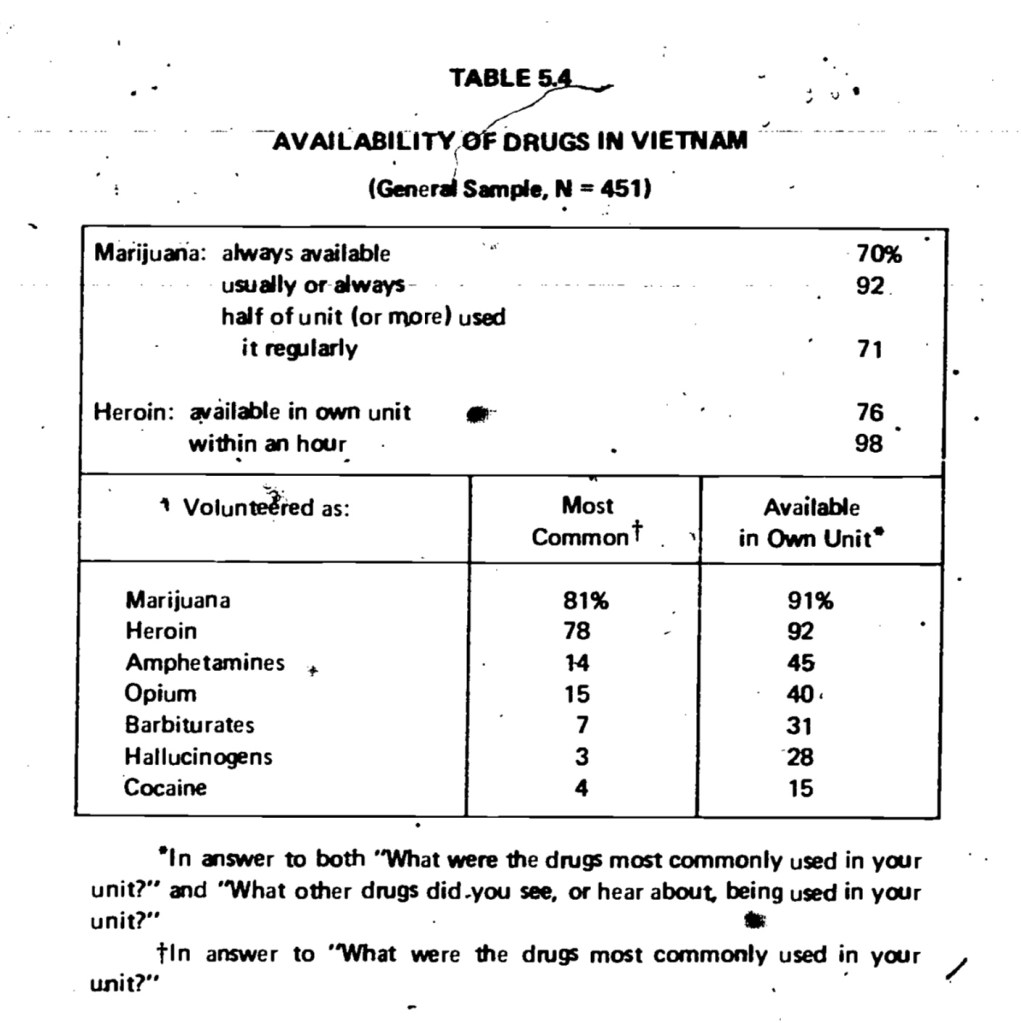
Most veterans also reported that heroin was available when they got home thus lack of opportunity was not shown to be a significant factor in relapse rates.
Several things stand out most strongly in the report.
Heroin and opium use was very heavy indeed in Vietnam, 43% of all soldiers studied had used opiates and nearly half of those became “heavy” or “addicted” users.
Despite these numbers only 5% became re-addicted at one year follow-up and 12% at some point at three year follow-up usually briefly.
The outcome could not be explained by treatment. Few veterans applied for treatment on return. Of those who did the relapse rate was about the same as the civilian population, up to 2 out of 3 becoming re-addicted.
What was found instead was large scale spontaneous remission of what had been considered as Robins put it, as “ the ‘worst’ drug, virtually instantly and permanently addictive and creating craving so extreme that it overcomes all normal ability to resist temptations to theft and robbery to acquire it.”
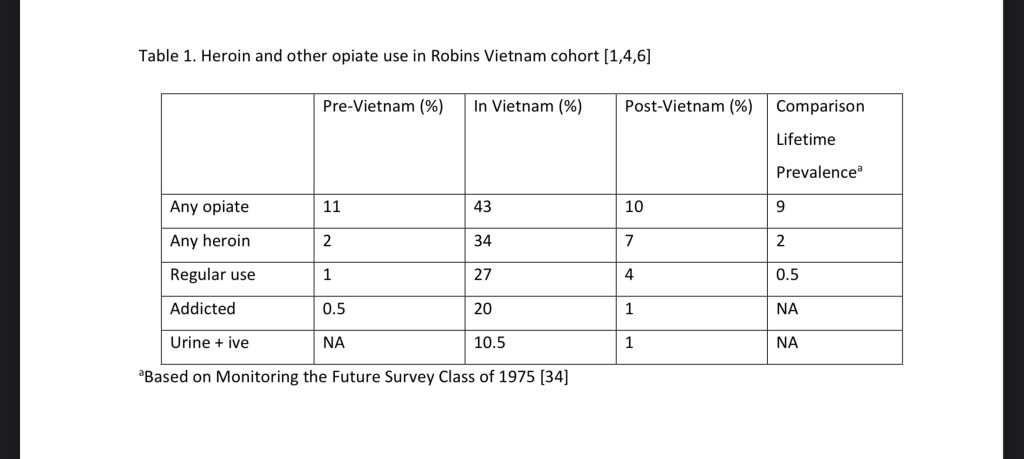
While much has been said about this study which is frequently cited in books, articles, and lectures, often to support a particular point or agenda it certainly changes some preconceptions about the nature of opiate addiction, the people who become addicted and recovery from that addiction.
Robins, always the academic, was no popular crusader given to publicity and interviews. She did have this to say in retrospect,
“In the Vietnam study, the social and behavioral variables which has become so useful in explaining who would use narcotics enough to become addicted to them in Vietnam and which ex-addicts would use them again after they returned to the US were of no use at all in explaining which relapsers would become re-addicted”.
Robins 1993
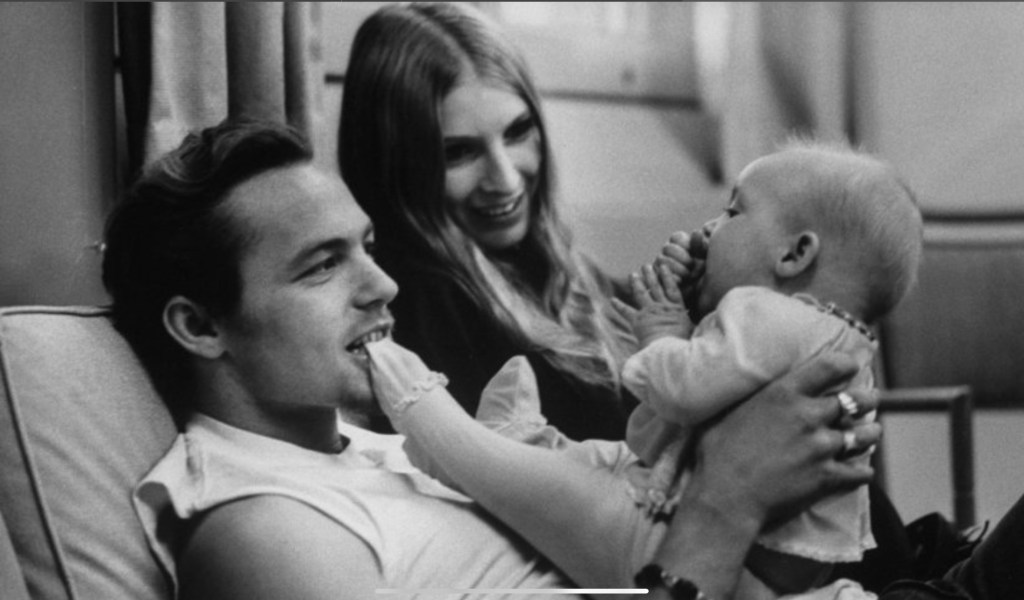
From the LIFE article. A soldier in treatment at the Palo Alto VA hospital. His wife and daughter had come to be with him while he was there.
Thank you for your consideration in reviewing this article. Any comments or feedback are welcome.
For informational and educational purposes only. No commercial or institutional interests. This post should not be considered medical or professional advice. Images and data obtained from those freely available on the World Wide Web.
References
Copy of original report, The Vietnam Drug User Returns
Sept. 1973
………………………….
Lee Robins et. Al, Drug use by US Army enlisted men in Vietnam, a follow up on their return home
Journal of Epidemiology; vol 9(4) April 1974
…………………………………
http://dok.slso.sll.se/CPF/journal_clubs/j.1360-0443.1993.tb02123.x.pdf
THE SIXTH THOMAS JAMES OKEY MEMORIAL LECTURE
Vietnam veterans’ rapid recovery from heroin addiction: a fluke or normal expectation?
LEE N. ROBINS
Department of Psychiatry, Washington University School of Medicine, St Louis, Missouri,
…………………………..
Addiction classics:
Lee Robins’ study of heroin use among US Vietnam Veterans Wayne Hall1,2 and Megan Weier 2
King’s Research Portal
DOI:
10.1111/add.13584
………………………………
https://onlinelibrary.wiley.com/doi/pdfdirect/10.1111/j.1360-0443.1988.tb03035.x
Patterns of Heroin Use: what do we know?
G. HARDING, Ph.D.
Department of Pharmaceutics, The School of Pharmacy, University of London, 29/39 Brunswick Square, London WCIN lAX, United Kingdom
…………………………………
Note: Some original articles were behind a paywall and not available to me at this time.
JeffK 7/2023
 Sober Synthesis
Leave a comment