
Creative Activities for Recovery, Health and Growth
“The key to creativity is being in tune with ourselves to really know how we feel in the face of knowing others may feel differently”.
-Rick Rubin
Key Points:
- Creative activities enhance cognitive functioning and decision-making, emotional regulation and resilience, increased self-awareness and physical health.
- The emotional and physical benefits of creative activities arise from the “doing”, not the “outcome”.
What is a Creative Activity?
- Creative activities are processes that generate original, authentic, and useful/adaptive outcomes.
- Often involving cognitive, emotional, and social engagement
What are the Neurobiological Benefits of Creative Activities?
- Creative activities increase brain connectivity (neuroplasticity).
- In particular, greater creative thinking has been linked to the coupling of the Default Mode Network (DMN) and the Central Executive Network (CEN).
- The CEN is instrumental for managing attention, problem-solving, and decision-making.
- The DMN is active during times of rest and/or daydreaming/mind-wandering.
- Functions include self-referential thinking and introspection (sense of self), processing social perception (sense of others), and episodic memory processing (recalling past experiences).
- Addiction disrupts DMN functioning and connectivity with the CEN leading to increased negative rumination.
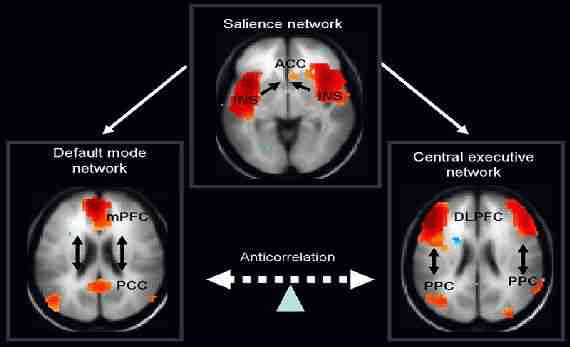
Saad – Default Mode Network – Sober Synthesis
- Creative activities, especially during “aha” moments, release dopamine to enhance well-being and motivation.
- High dopamine levels in the prefrontal cortex enhance cognitive flexibility to support the ability to switch between concepts, perspectives, or tasks.
- Creative activities can significantly enhance emotional regulation
- Decreases cortisol levels and can serve as a cathartic outlet for stress/anxiety.
How Can I Get Started With or Enhance My Creative Activities?
- Allowing yourself downtime, without constant digital stimulation, can enhance DMN functioning.
- Regular breaks encourage creative problem-solving and innovative thinking.
- Changing a mindset from “boredom” to intentional “creativity time”.
- Our circadian rhythm promotes “downtime” in the afternoon and early evening. These are biorhythm opportunities for creative activities.
- Regular breaks encourage creative problem-solving and innovative thinking.
- Engage in outdoor activities like nature walks.
- Spending time outdoors can increase creativity by up to 50%
- Listen to lyric free music and ambient sounds (e.g. ocean waves).
- Mindfulness practices significantly enhance creativity.
What are Examples of Creative Activities?
- Drawing, painting, sculpting, crafting (e.g. ceramics, jewelry, woodworking)
- Singing, playing a musical instrument, creating music playlists
- Dancing
- Brainstorming, even in a work setting
- Writing
- Gardening
- Photography
- Cooking
- Sewing, knitting, crocheting
Possible questions for thought/sharing:
- How have creative activities supported your recovery/wellness?
- What emotion(s) surface when you are creating? Have those emotions changed in recovery?
- What are challenges to starting and/or maintaining a creative activity?
Disclaimer
This summary is for general informational purposes only and does not constitute the practice of medicine or other professional health care services, including the giving of medical advice, and no doctor/patient relationship is formed.
 Sober Synthesis
Leave a comment