

What is a Typical Sleep Cycle?
- Non-REM (Slow Wave) Sleep
- Overall dreams are less frequent, briefer, simpler, and more logical.
- Norepinephrine (a fight or flight neurochemical and hormone) is present.
- REM (Rapid Eye Movement) Sleep
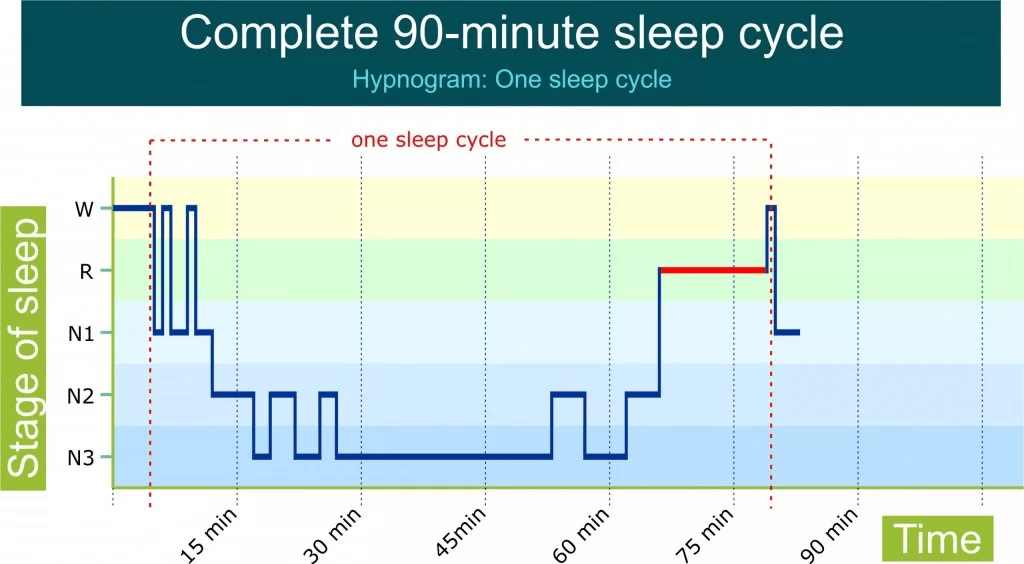
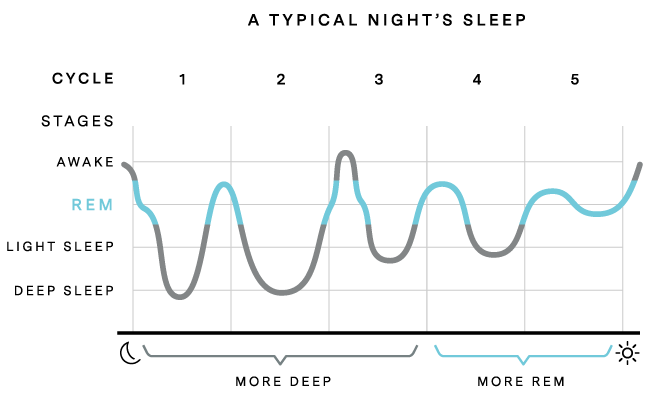
- This stage usually starts 75-90 minutes after sleep onset, with each REM cycle increasing throughout the night. The first cycle typically lasts 10 minutes, with the final cycle lasting up to 1 hour. REM is when dreaming occurs.
- Norepinephrine is generally absent and we are paralyzed during REM sleep.
- REM sleep is when emotions and emotional memories are processed and stored.
- With norepinephrine absent, we can process and adjust our emotional relationship to challenging events that happened to us while we were awake in the absence of fear and anxiety.
- REM sleep can serve as our endogenous “therapy”.
- As such, drinking and/or using dreams are common in recovery and can serve as a therapeutic process.
- What are Causes of Bad Dreams and Nightmares?
- Anxiety and stress are the primary causes of bad dreams and typical nightmares.
- Bad dreams and nightmares increase with REM sleep deprivation, PAWS, some comorbid medical conditions, some medication side effects, chronic pain.
- While nightmares and bad dreams both involve disturbing dream content, only a nightmare causes you to wake up from sleep.
- Nightmares are more likely to contain threats to basic physical security and survival, while bad dreams are more apt to grapple with a broader range of psychological anxieties.
- Nightmares increase before the mid sleep awakening cycle (slow wave sleep) or morning awakening (norepinephrine is present).
- Frequent nightmares disrupt restorative sleep and may need behavioral and/or medical intervention.
- There is some evidence that norepinephrine is not absent for people with active PTSD, reinforcing repetitive trauma dreams.
What Activities Promote Restorative Sleep?
- Prioritize sleep hygiene.
Sylvia-Restorative Sleep – Sober Synthesis
- Ongoing sleep disturbance may be an indicator of a medical condition (e.g. sleep apnea). A sleep study may be helpful.
- Mindfulness/meditation can be helpful for sleep onset as well as falling back to sleep after waking. Effective practices include Non-Sleep Deep Rest (NSDR) and Yoga Nidra.
- Supplements (e.g. melatonin, magnesium threonate) may be helpful. Melatonin is not recommended for long-term use. It is important to inform your physician of any supplements and/or vitamins you are taking.
- Medications may be helpful for acute sleep disturbance.
- Keep a sleep journal
- To decrease repetitive bad dreams or nightmares
- Image rehearsal therapy: Change the script of a repetitive nightmare or bad dream
- Eye Movement Desensitization and Reprocessing therapy
- Exposure, relaxation, and rescripting therapy
- Hypnosis
- Lucid dreaming therapy
- Other exposure and desensitization therapies
- Comprehensive professional treatment for PTSD and/or moderate to severe mental health disorders may be needed.
Proposed Questions For Thought/Sharing:
- How have your dreams changed in recovery?
- What changes in lifestyle have improved or changed your dreams?
- What changes do you plan to make to improve your sleep and/or decrease bad dreams/nightmares?
Disclaimer
This summary is for general informational purposes only and does not constitute the practice of medicine or other professional health care services, including the giving of medical advice, and no doctor/patient relationship is formed.
 Sober Synthesis
Leave a comment