

What is the Parable of the Second Arrow?
The parable of the second arrow is a well-known Buddhist story about dealing with suffering more skillfully.
It is said the Buddha once asked a student,‘If a person is struck by an arrow, is it painful? If the person is struck by a second arrow, is it even more painful?’
He then went on to explain,‘In life, we can’t always control the first arrow. However, the second arrow is our reaction to the first. This second arrow is optional.’
In contemporary words, pain is inevitable, but ongoing suffering can be optional.
What is Radical Acceptance?
“Radical acceptance is the ability to accept situations that are outside of your control without judging them, which reduces the suffering they cause. “
- Radical acceptance is a research validated mindset and skillset to decrease ongoing suffering after painful experiences.
- This link is a very thorough review. How to Practice Radical Acceptance
What Neurobiological Principles are Impacted by a Radical Acceptance or Any Acceptance Practice?
- Mindsets shape physiological mechanisms by changing what our bodies prioritize for action/responses. Mindsets are core beliefs or assumptions we have about a domain or sensation.
- Powerful Study: participants were given an identical milkshake at two separate time points – the first time they were told the milkshake was healthy and full of good nutrients; the second time, they were told the milkshake was an indulgent, high-calorie treat
- Results: when people thought they were consuming the high fat, high-calorie milkshake, ghrelin (hunger hormone) levels dropped 3x more – when participants believed the food was high calorie and indulgent, their bodies believed they were fuller and satiated.
- We use our prefrontal cortex to process and to decide how to respond/cope/manage anger. Our prefrontal cortex needs time to process.
- Being open to our fear and anger helps us better connect with ourselves, offers us insight into our sense of safety, and offers us an opportunity to mindfully choose how to respond to, rather than react to them.
- Understanding the difference between feelings and emotions
- Your brain keeps the score, your body is the scorecard – you don’t feel things in your brain, you feel them in your body.
- Your brain is always regulating your body and your body is always sending sensory input to your brain.
- Your brain keeps the score, your body is the scorecard – you don’t feel things in your brain, you feel them in your body.
- Feelings and emotions are not interchangeable words; when you create/identify an emotion, you’re giving meaning to the affective feelings.
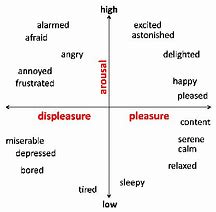
- Affect is your basic sense of feeling, ranging from unpleasant to pleasant (called valence), and from idle to activated (called arousal).
Proposed Questions For Thought/Sharing:
- For those that have practiced radical acceptance or any acceptance practice, how has that practice impacted your recovery and health/wellness?
- If this is a new idea, do you have any ideas how you may start an acceptance practice?
Disclaimer
This summary is for general informational purposes only and does not constitute the practice of medicine or other professional health care services, including the giving of medical advice, and no doctor/patient relationship is formed.
 Sober Synthesis
Leave a comment