

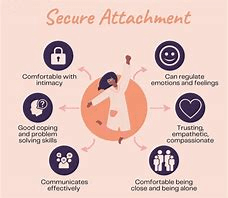
How Can Attachment Styles Impact Addiction and Recovery?
- There is evidence that insecure attachment styles are linked to increased risk for Substance Use Disorders (SUDs).
- There is some evidence that an ongoing SUDs can influence changing a secure attachment style to insecure attachment styles, especially when substance abuse started in adolescence or early adulthood (before age 25).
- Relationship challenges due to insecure attachment patterns are high risk triggers for relapse.
What are Important Attachment Styles Principles?
- Our autonomic nervous system is tethered (unconsciously connected) to the autonomic nervous system of others.
- Our attachment relationships are essential for emotional regulation.
- Attachment is interactive regulation, co-regulation.
- Attachment is not psychological, it’s neurobiological.
- Depending on how our nervous system ‘interprets’ a situation determines whether we numb/disconnect, dysregulate/distrust, or connect (neuroception).
- We develop an attachment style, an “inner working model”, of ourselves and others in early development based on our interactions with primary caregivers.
- Important Note: A childhood developed secure attachment style can become an insecure attachment style in response to a traumatic and/or unhealthy relationship later in life.
- Bullying, especially during adolescence
- Intimate partner violence
- Severe substance addiction
- Important Note: A childhood developed secure attachment style can become an insecure attachment style in response to a traumatic and/or unhealthy relationship later in life.
- Toxic Shame (also referred to as Chronic Shame), the conscious or unconscious belief that one is bad/flawed/unworthy, is often rooted in an insecure attachment dynamic.
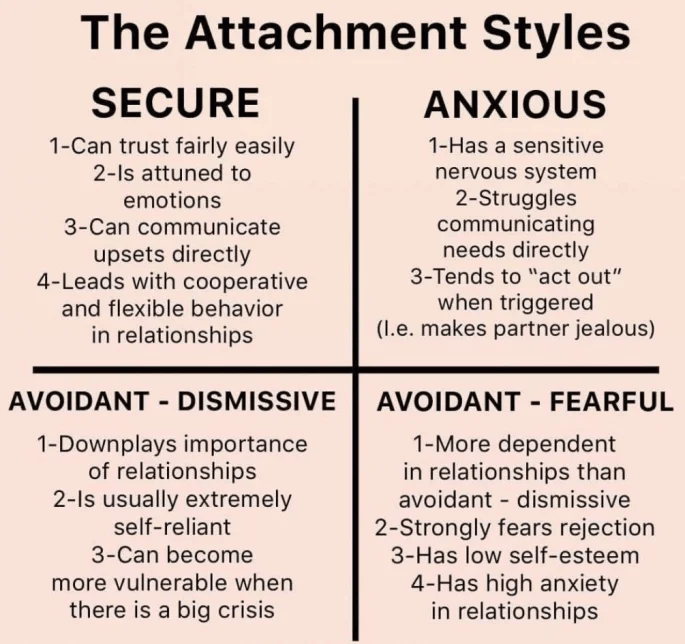
What are Guidelines to Support Developing a More Secure Attachment Style?
- We can learn to develop and maintain secure attachments. Essential features include:
- Modulating our autonomic nervous system arousal (supporting physical and emotional balance).
- Commit to an interpersonal relationship with someone (therapist, trusted friend) or a group (therapy group, Lifering) that feels safe enough to experience heightened emotional moments with that person or group. Taking the risk to be open and vulnerable are the experiences that support neurobiological changes for secure attachments.
- Patience is key-Developing a safe relationship can take significant time.
Proposed questions for thought/sharing:
- How has your attachment style played out in your relationships? In your addiction? In your recovery?
- Have therapeutic and/or self-help individuals/groups supported your development of a secure base? How?
- What self care activities have been most helpful to support your physical and emotional balance?
Disclaimer
This summary is for general informational purposes only and does not constitute the practice of medicine or other professional health care services, including the giving of medical advice, and no doctor/patient relationship is formed.
 Sober Synthesis
Leave a comment