
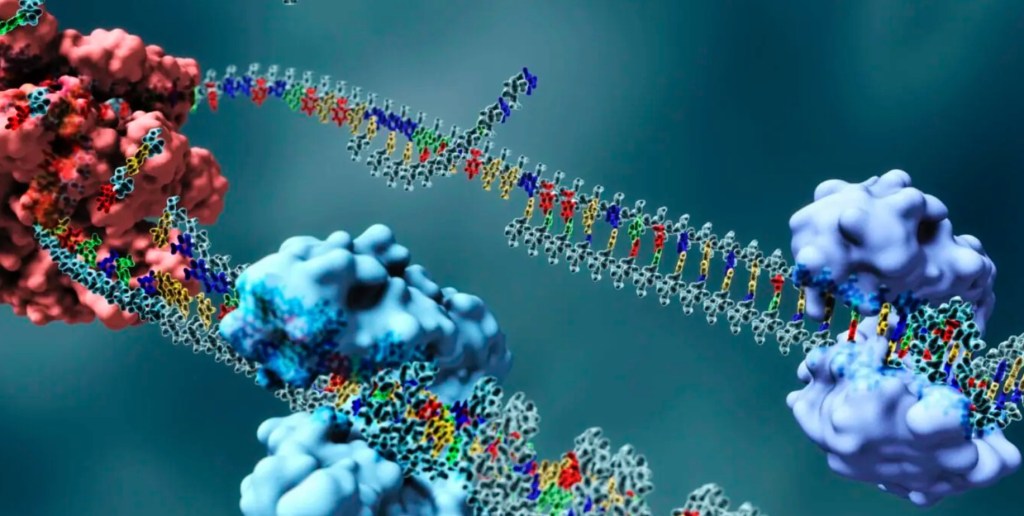
Genetic expression in addiction
Every one of the some 30 trillion cells in the average adult human contains the same set of instructions which were present in the single cell we each began with. A liver hepatocyte, a cerebellar neuron, a bone forming osteocyte all carry a complete copy of the same DNA. Yet they not only differentiate during development, they continually adapt and change in response to the environment in which we live. The branch of biology concerned with the complex orchestration of signals affecting which genes are activated or repressed at a given moment is termed epigenetics.
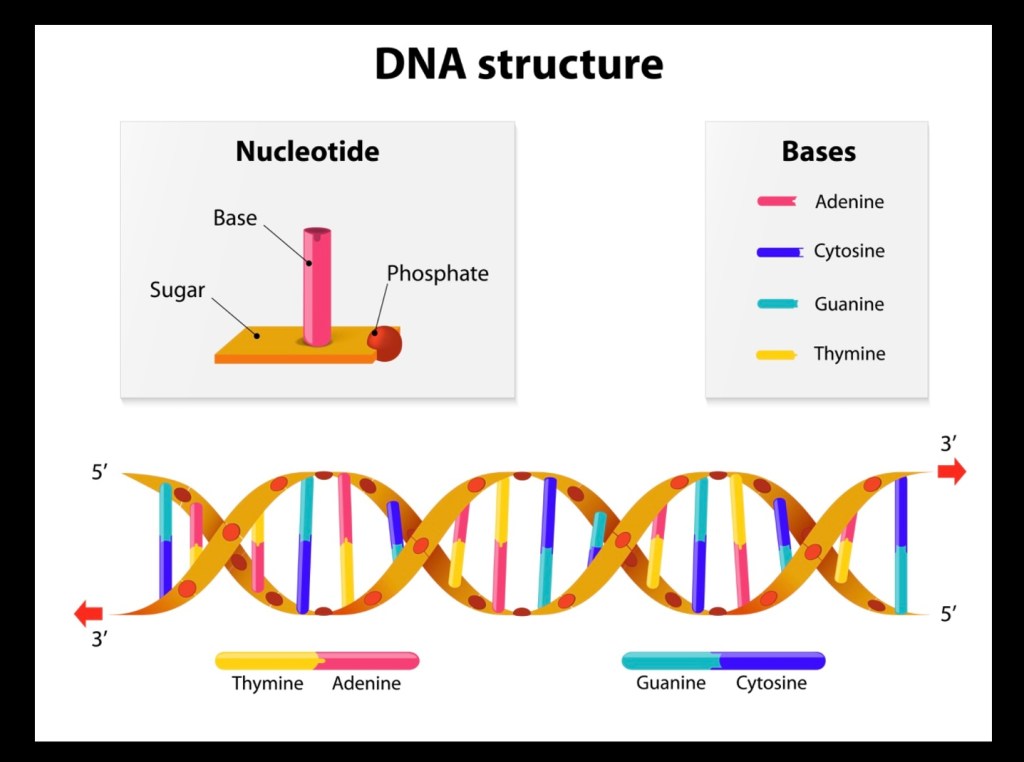
The basic structure of double stranded DNA consists of four bases connected by a sugar-phosphate backbone in the well known double helix configuration. The bases always pair Thymine – Adenine and Guanine -Cytosine. Often these are just referred to by the letters A T G C.
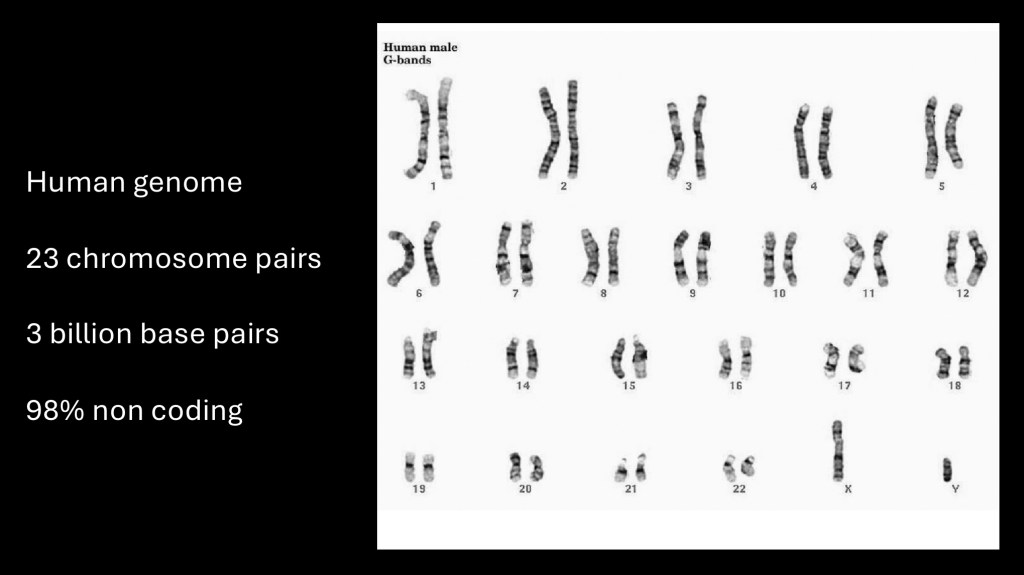
The human genome consists of 23 paired chromosomes. There are approximately 3 billion base pairs. It is estimated that humans are 99.6% identical in genetic makeup and 99% identical to our closest relatives, the chimpanzee. A gene is a functional coding unit of DNA. 98% of our DNA is non-coding. The major differences between each of us does not depend as much on inherited sequence as it does on how our DNA is expressed. Our environment, experiences, what we put into our bodies, even thoughts and feelings can influence genetic expression.
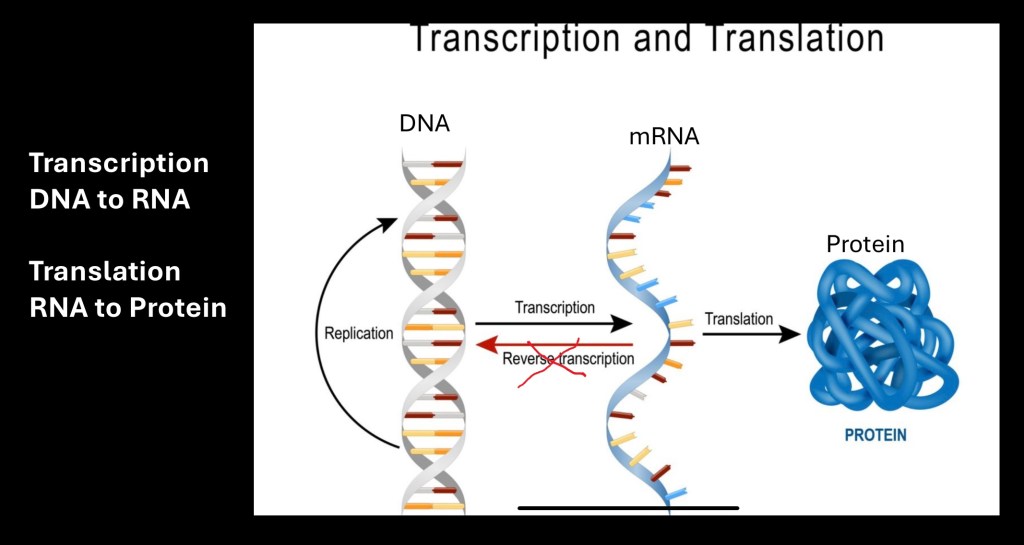
While we think of DNA as genetic material it serves only one function in the cells. DNA is a code for protein synthesis. The central dogma of molecular biology is that information flows only in one direction, from DNA to RNA (transcription) and from RNA to protein synthesis (translation). In RNA the base Uracil is substituted for Thymine found in DNA.
Note: humans do not have the enzyme reverse transcriptase to go in the opposite direction.
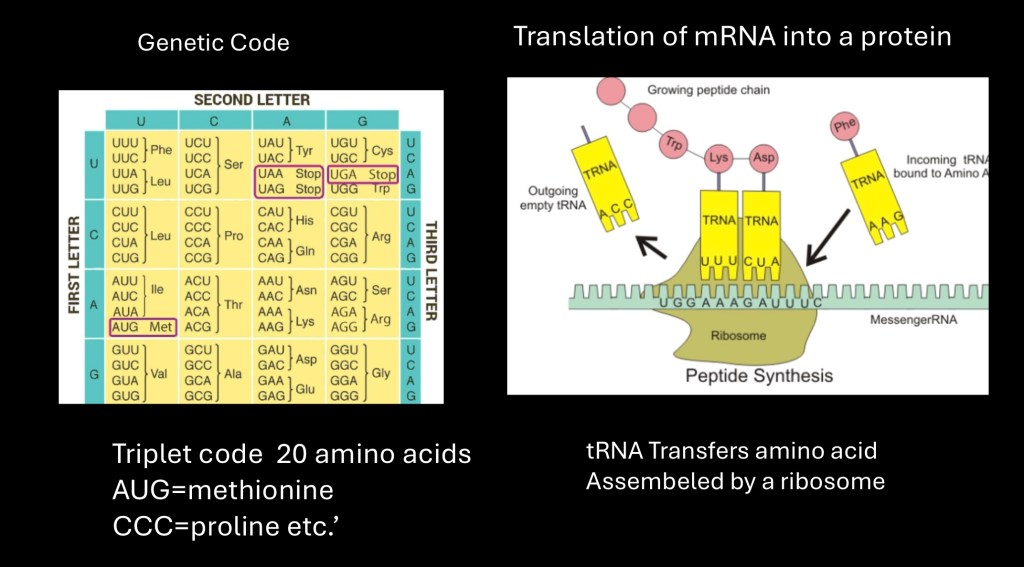
On the left is the triplet code for each of the twenty amino acids found in human proteins. The number of combinations corresponding to an individual amino acid varies from 1-6 with three “Stop” codons. Thus AUG-CCC-UGA codes for methionine-leucine-stop synthesis.
The diagram on the right illustrates the process of translation from messenger RNA to protein. Messenger RNA is formed in the cell nucleus from a DNA template. It enters the cell cytoplasm where it attaches to a ribosome. There amino acids carried on transport RNA are added to the growing chain. When complete the protein will fold into its three dimensional configuration. The residual RNA is then degraded within the cell.
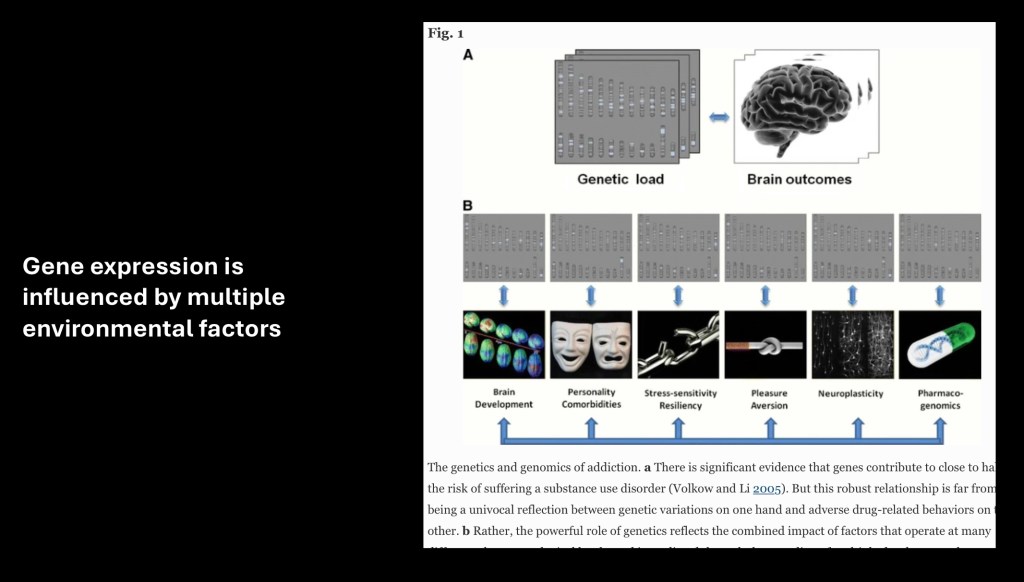
Based on twin studies there is a strong potential genetic component in risk of development of substance use disorder. The disease follows a poly genetic pattern with multiple environmental factors interacting with inherited genetic components each of which may contribute to overall risk. The developing brain is highly sensitive to stressors and trauma. Early age of onset of addictive drug use is a strong predictor of future problematic use. Stressful life events, environmental factors and co occurring disorders interact with inherited genotype.

There are three basic components comprising the epigenome. These will be covered in more detail further in this post. These are:
– DNA methylation
– Histone modification
– Non-coding RNA
While these modifications are essential components of gene expression it is important to note that they do not change DNA itself.
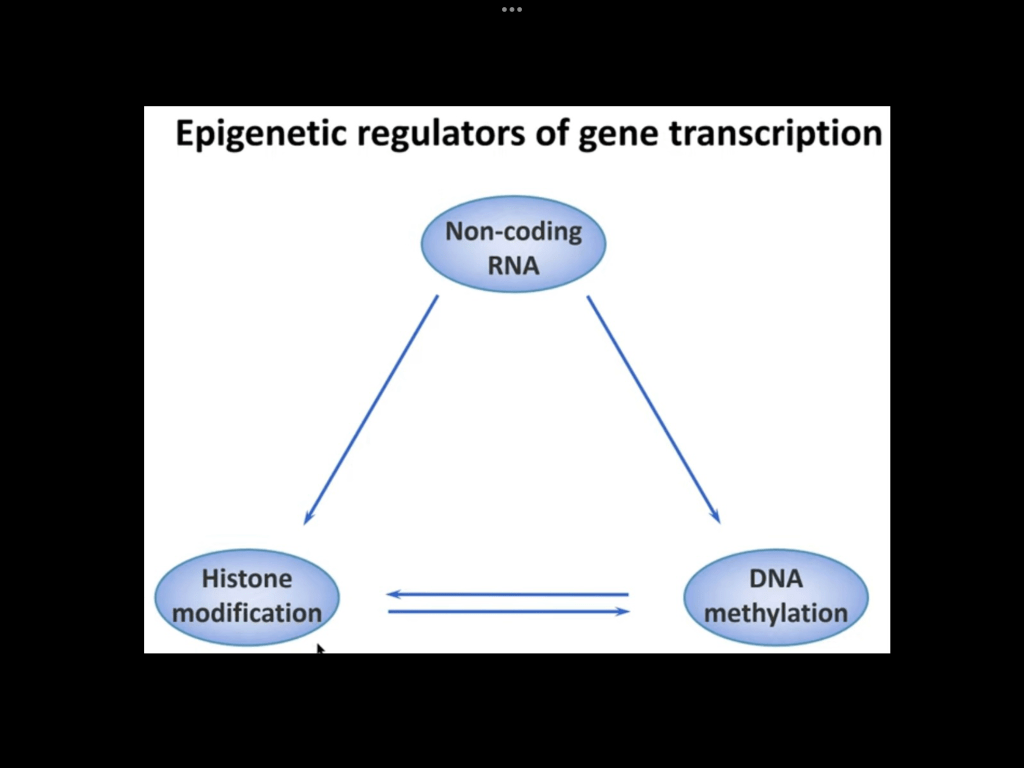
Epigenetic components are dynamic and may be altered or reversed in response to changing demands. They are also interactive and may be passed on to successive generations.
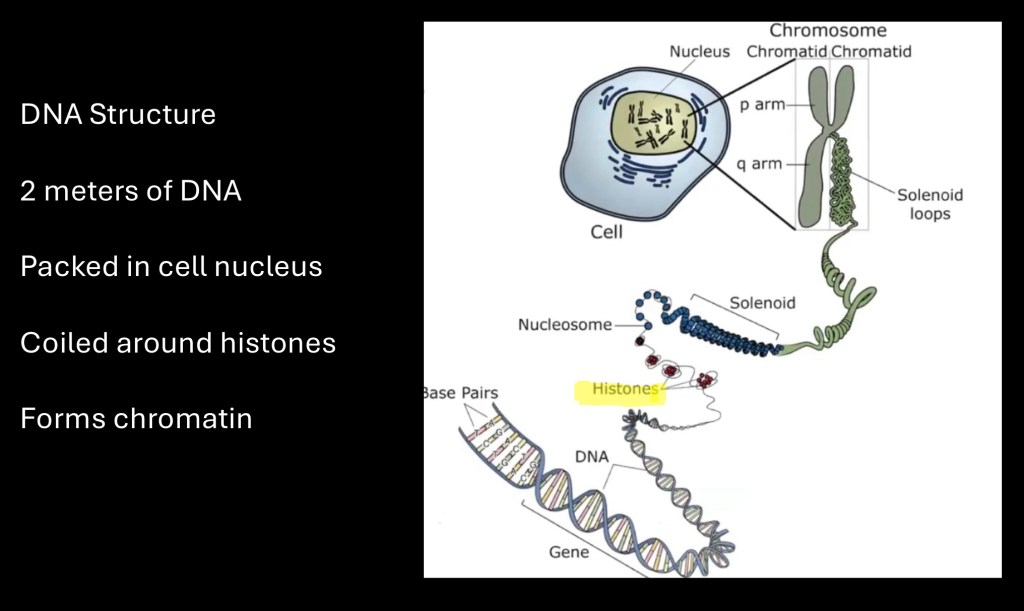
Stretched end to end our DNA would reach 2 meters in length yet is compressed into the microscopic nucleus of the cell. The chromosome is a tightly coiled configuration. DNA is wrapped around protein structures called histones. These are further coiled into solenoids and during replication further condensed into chromosomes.
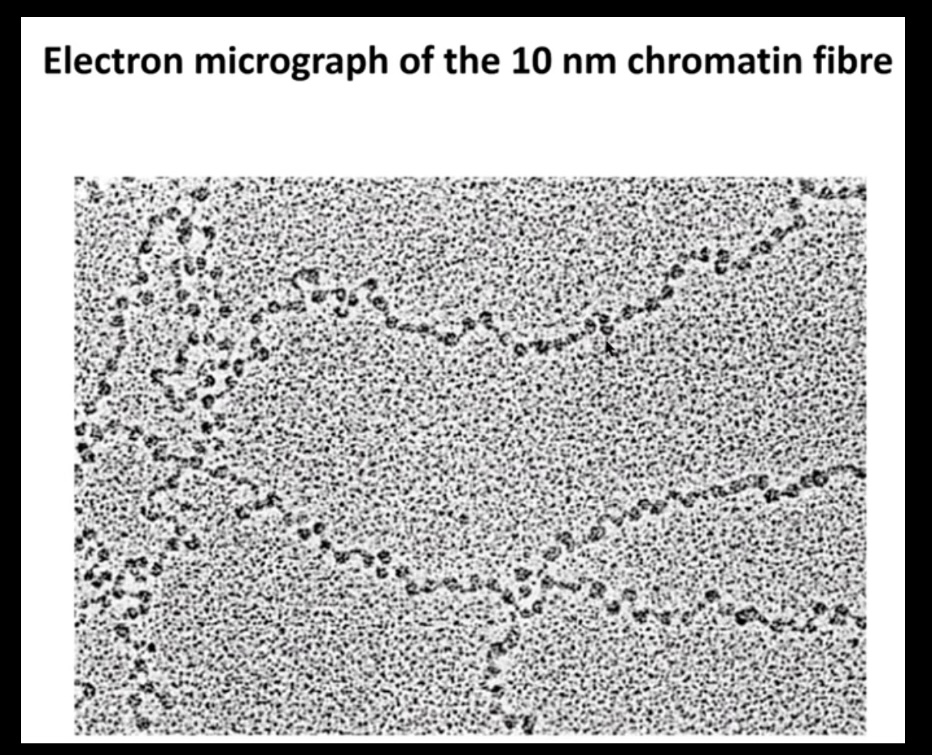
Electron micrograph of DNA / Histone complex resembling beads on a string.
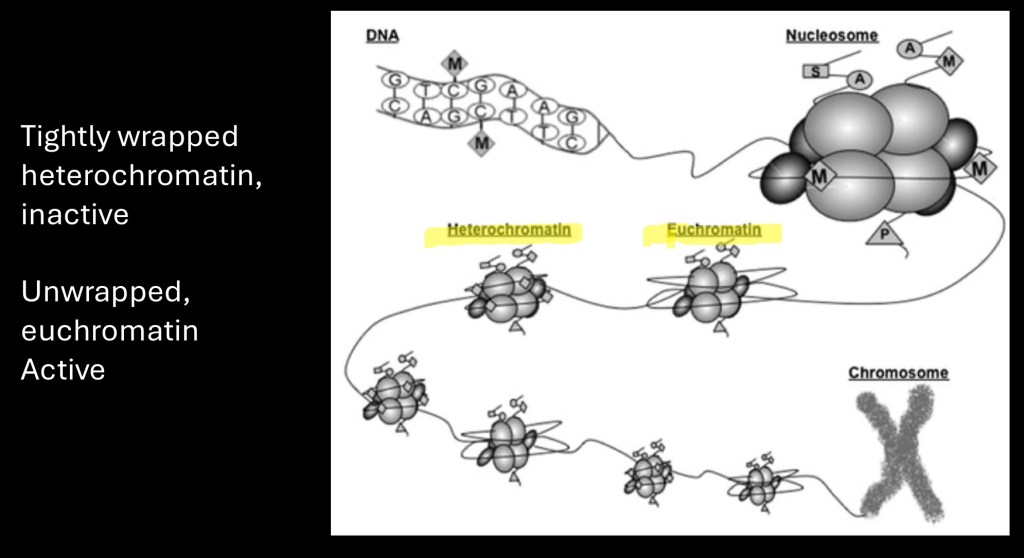
The DNA/Histone complex is referred to as chromatin. When tightly wrapped around histones the DNA is not available for transcription. It is in an inactive state. In order for transcription to take place it must be loosened to allow for binding of transcriptional elements.
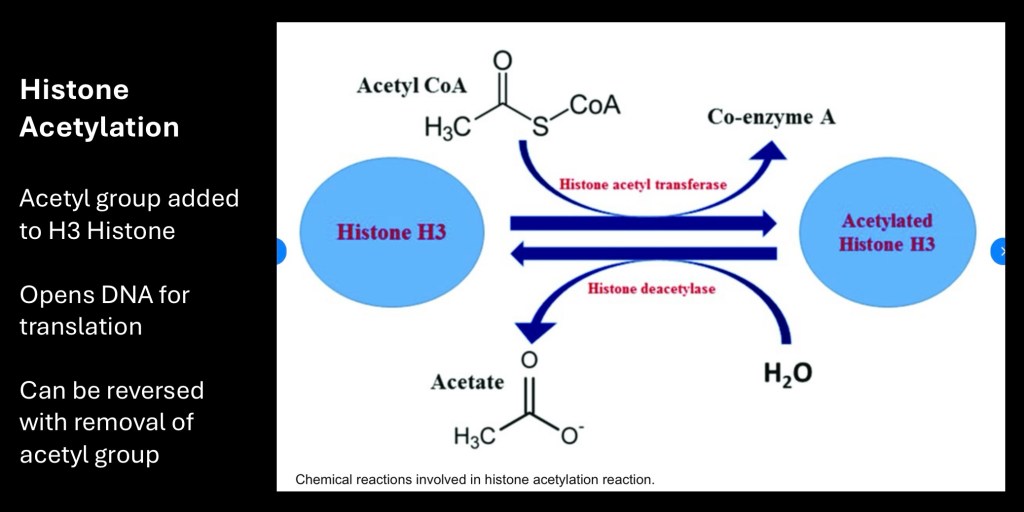
Acetylation refers to chemical addition of an acetyl group to chromatin. Resulting change in chemical bonding puts the genetic material in a relaxed state allowing for transcription to occur.
The reaction is catalyzed by the enzyme Histone Acetyl Transferase (HAT) . The most common site of acetylation is on the H3 subunit. The reaction can be reversed and the acetyl group removed by the action of Histone deacetylase (HDAC).
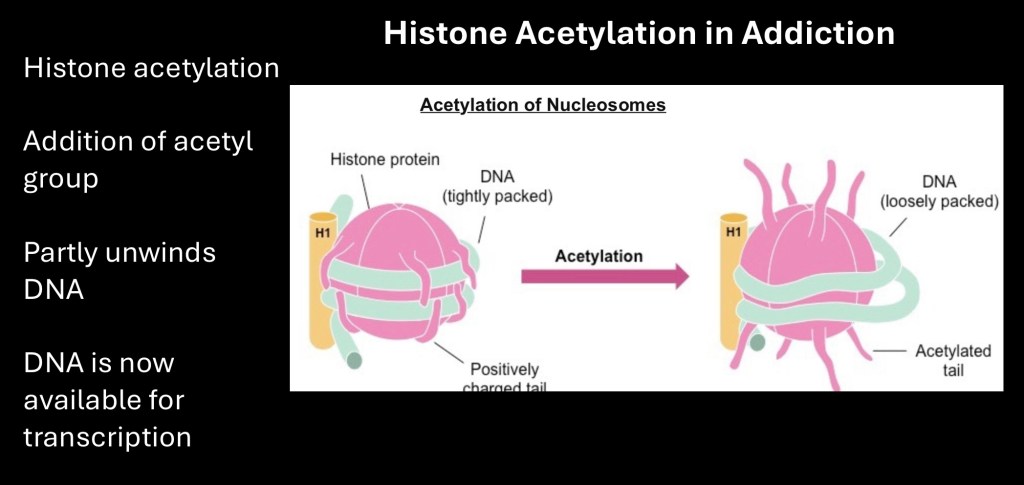
This diagram represents DNA wrapped around a Histone complex. Note the “tails” extending from Histone proteins. These are active sites available for attachments. Once an acetyl group is attached the DNA becomes loosened and is available for transcription.
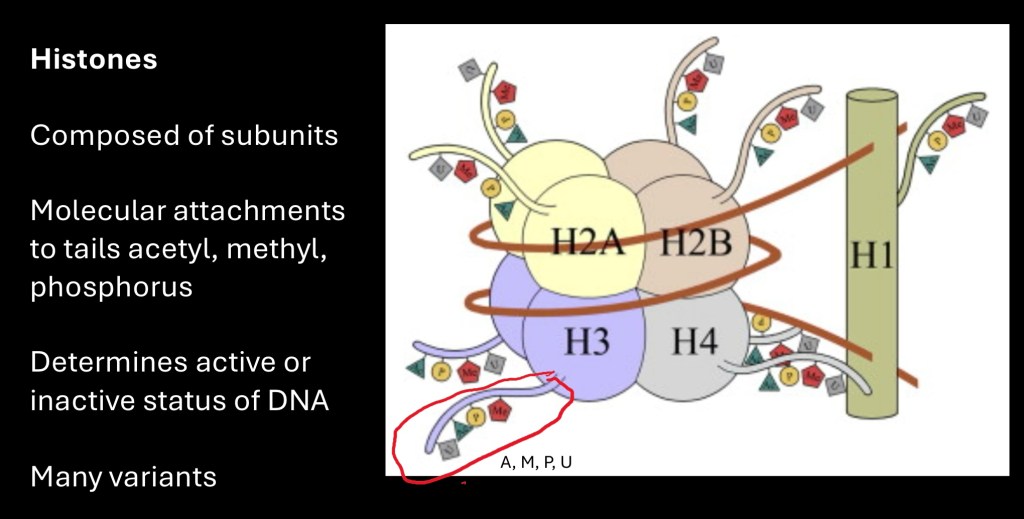
A closer look at histones. Histones are composed of 8 subunits, two each of the H2A, H2B, H3 and H4 subunits. These can be modified by the following attachments:
– Acetylation
– Methylation
– Phosphorylation
Any combination of these may be present and affect protein synthesis at a given location.
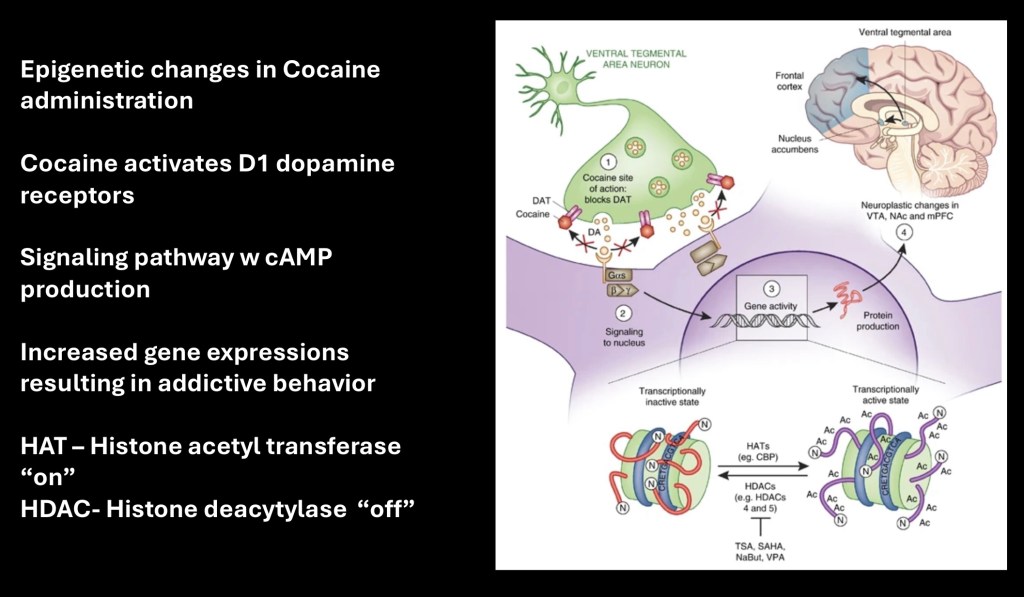
Schematic illustration of the effect of cocaine resulting in epigenesis and neuroplasticity of affected cells. The following steps occur:
1. Extracellular cocaine blocks dopamine reuptake mechanism raising dopamine levels.
2. Dopamine reacts with D1 dopamine receptors on an adjacent neuron,
3. A cascade of reactions results in recruitment of transcription factors activating genes involved in altered cellular function.
4. Histones are acetylated or deacetylated opening some genes and deactivating others.
5. Expressed cellular changes such as growth of new synapses or receptor types driving addictive behavior occurs.
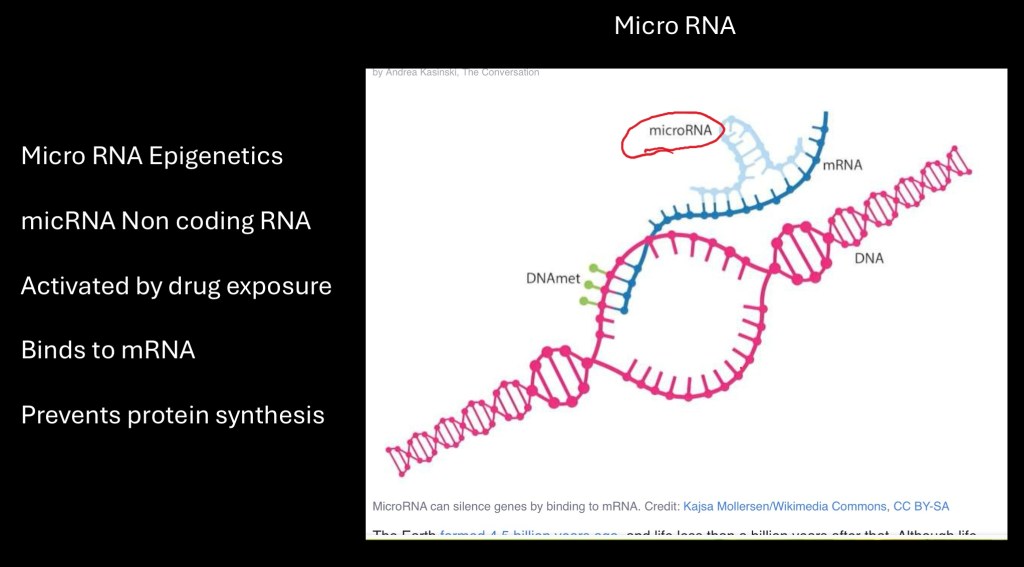
MicroRNA refers to RNA segments present in the cell nucleus regulating gene expression. The micro segment has bases binding to newly formed mRNA preventing further translation and blocking protein synthesis.
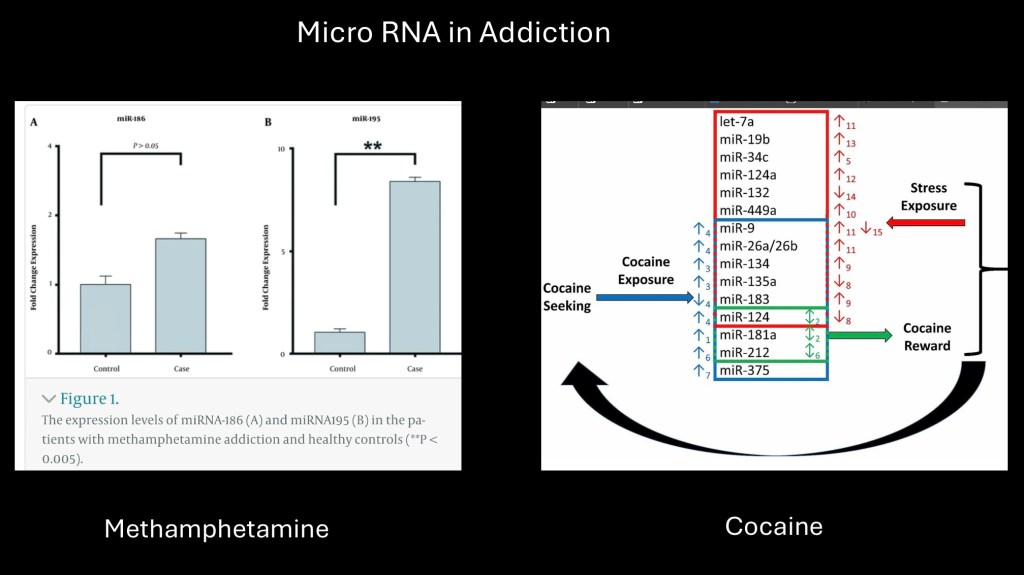
On the left the graphs represent micro RNA levels measured for miR186 and miR195 in normal control subjects and in methamphetamine addicted subjects. Micro RNA levels were significantly higher in the methamphetamine group highly suggestive of a role of these micro RNAs in amphetamine addiction.
On the right preclinical animal studies looked at micro RNA variants involved in cocaine seeking behavior and cocaine reward. Multiple variants were assessed. Some of these Epigenetic factors were up regulated and others down regulated in these conditions.
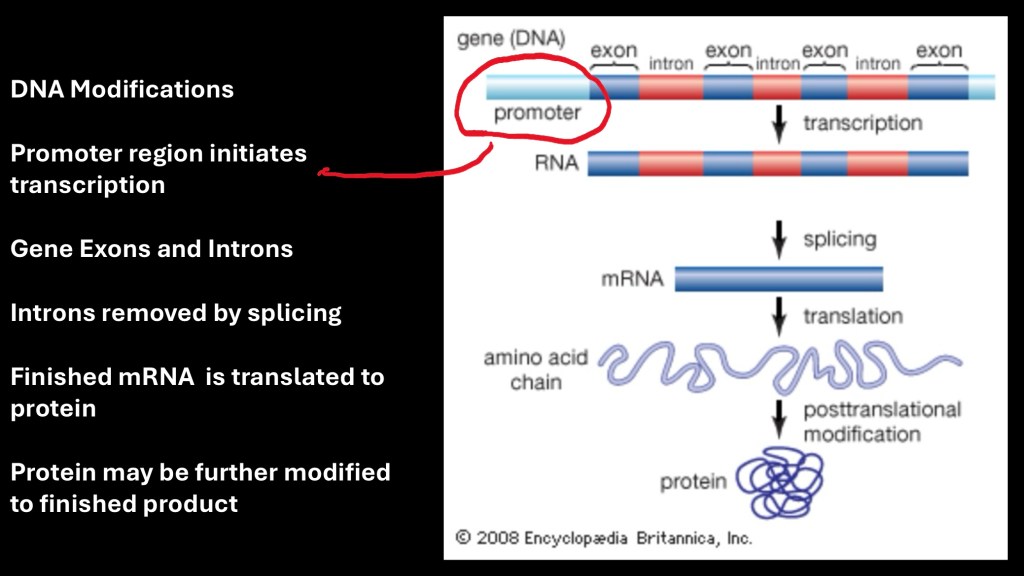
A gene is usually thought of as a single unit which is converted into a protein product. There is more detail in how DNA is processed prior to protein synthesis. Genes contain non coding segments which will be spliced out of the initial RNA strand. The segments removed are called introns. The mRNA segments retained in the final product are known as exons.
Adjacent to transcribed DNA there is a promoter segment where transcription factors and RNA polymerase will attach to initiate the process.

Another Epigenetic mechanism is DNA methylation. This involves addition of methyl groups to a number of cytosine bases along a stretch of DNA. Methylation of histones may also occur. Depending on location in the promoter or gene, methylation may either inhibit or promote transcription.
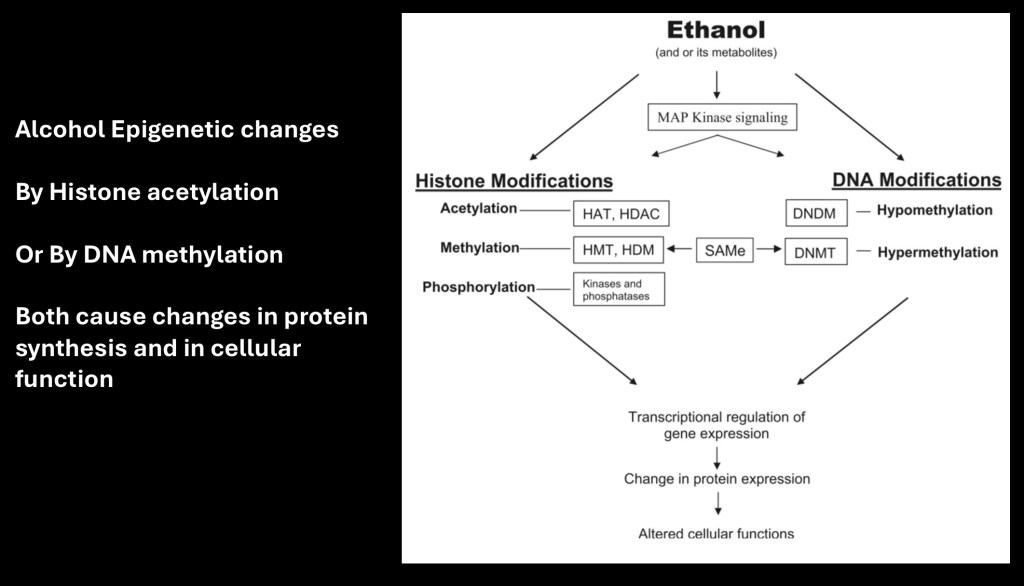
Summary of Epigenetic modifications induced by ethanol. Alcohol induces modifications to Histone proteins and DNA methylation. It also may promote these Epigenetic changes by activating cellular protein kinases.
In chronic alcohol use the brain attempts to compensate by promoting neuroplastic changes in cell function. Resulting alterations in gene expression are often long term and may persist into periods of abstinence.
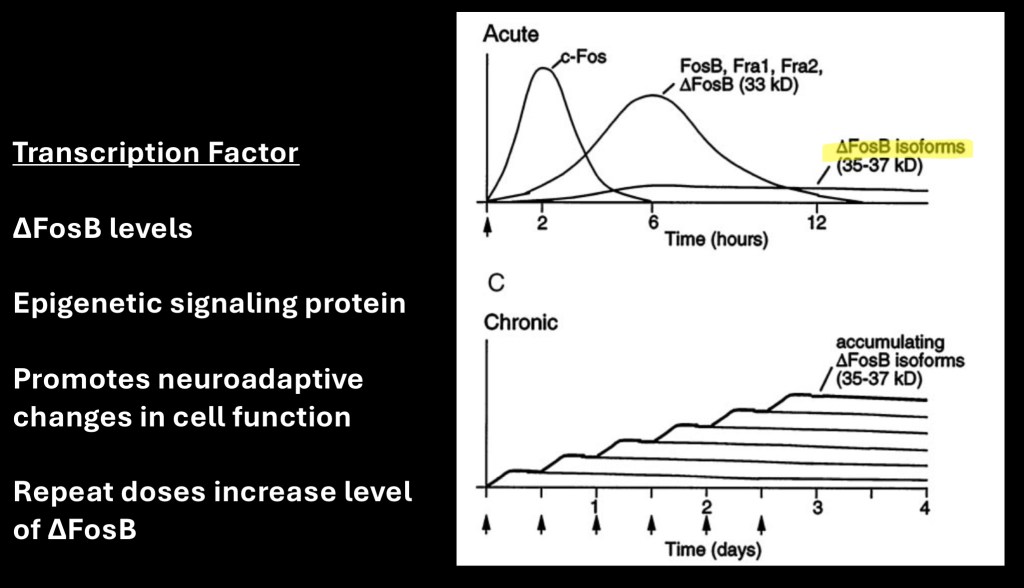
Delta fos B is a protein formed from the Fos gene found on chromosome 17. This regulatory protein is thought to be a key component in development and persistence of drug addiction.
The upper graph reflects levels of Fos family proteins formed following cocaine administration. Most of these degrade within hours. The ΔFosB protein however persists for days following initial dose.
The lower graph demonstrates the effect of repeated cocaine administration on ΔFosB levels. This results in cumulative higher levels of this protein persisting for months constituting a sustained molecular switch for addiction. The effect is seen in alcohol, opiates, nicotine and other drugs.
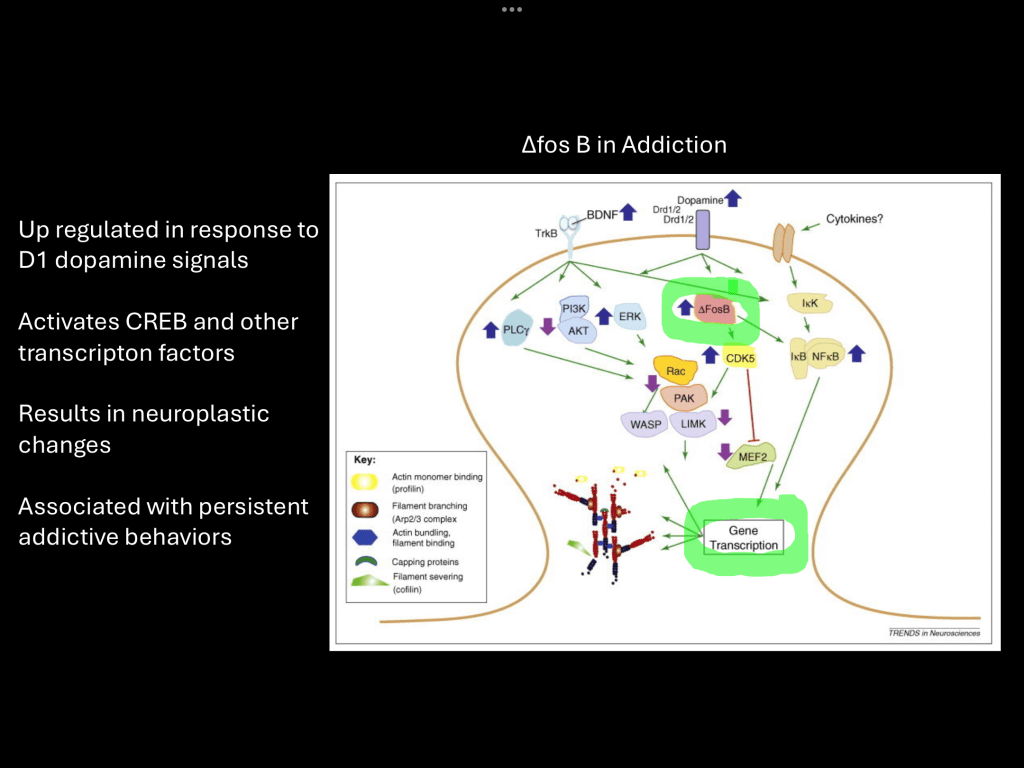
This is a detailed schematic representation of signaling pathways involving Δ FosB in addiction. The protein is activated by dopamine D1 receptors in response to addictive drugs. It then activates several downstream pathways resulting in activation of genes involved in addiction. These are long term effects persisting into abstinence.
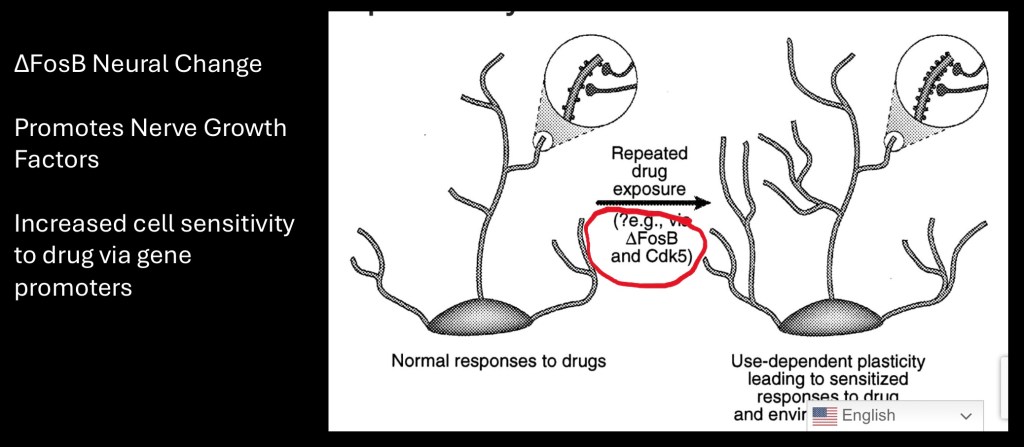
Increase in dendritic growth and synaptic plasticity mediated by ΔFosB resulting in sensitization to drug related cues seen in neurons located in the Nucleus Acumbens in the mesolimbic reward pathway.
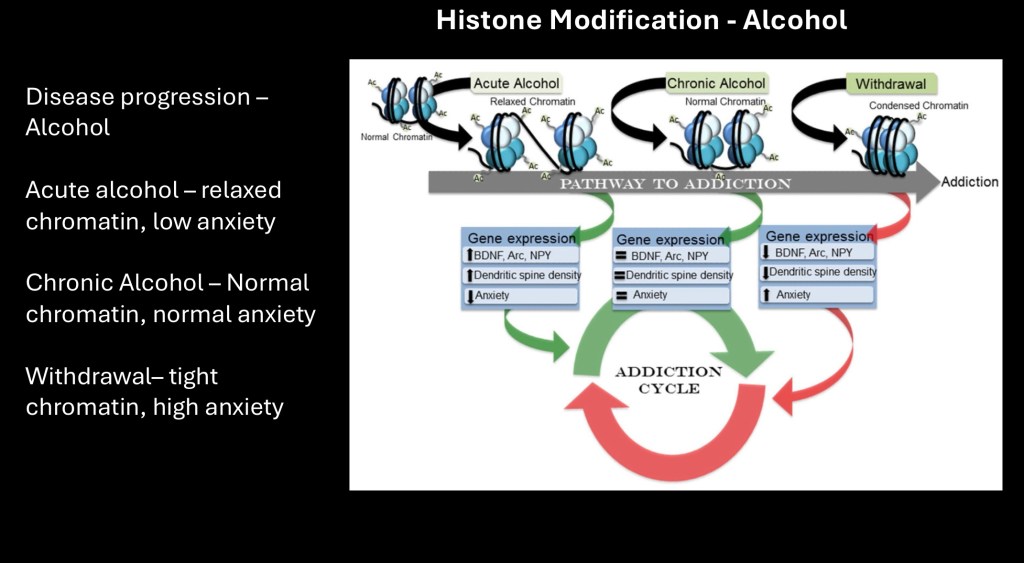
Progression of alcohol addiction is reflected in Histone modifications and corresponding Epigenetic changes. In acute intoxication relaxed configuration allows for gene transcription resulting in inhibition of stress reaction and decreased anxiety.
With chronic alcohol exposure Histones maintain a normal configuration. Stress response is neutral with limited neurotransmitter response to alcohol.
In alcohol withdrawal Histone chromatin becomes tightly condensed. Stress hormonal levels are no longer inhibited by alcohol use. This further drives the addiction cycle as the individual increases dose frequency to compensate for high baseline anxiety levels.

HDAC / Histone deacytylase removes acetyl groups from histones resulting in a tightly coiled configuration inhibiting gene activation. Alcohol preferring inbred mice have a high baseline HDAC level resulting in increased anxiety and alcohol seeking behaviors.
Chemical blockade of HDAC in these mice restores chromatin to a relaxed state. This results in decreased voluntary alcohol consumption and decreased anxiety related behavior.
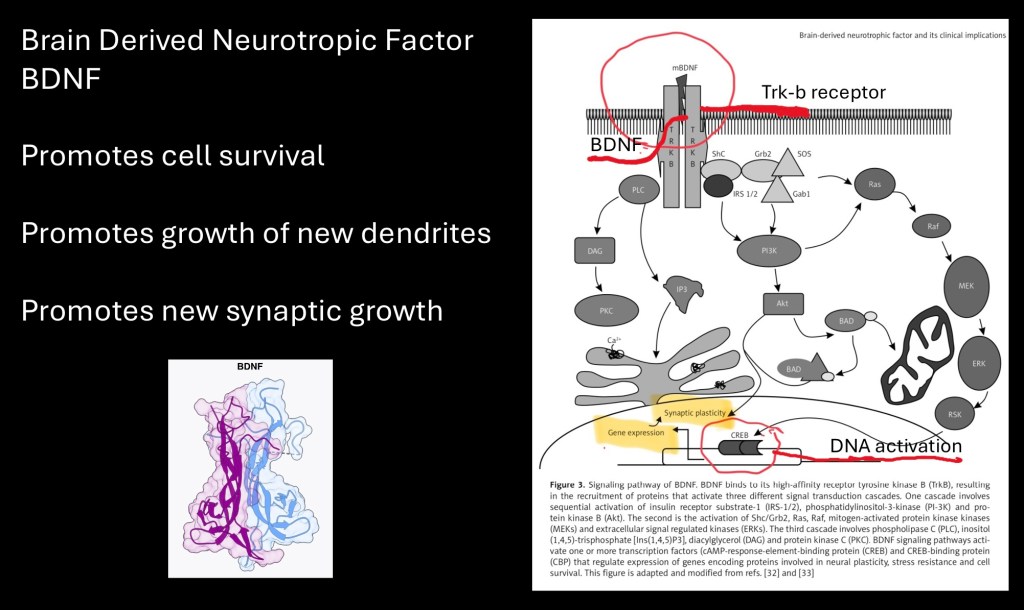
Brain Derived Neurotrophic Factor (BDNF) is a signaling protein playing a key role in addiction. BDNF is a regulatory protein known to promote cell survival and growth of neurons.
When released into the synaptic space the protein binds to a Trk-b receptor. This activates a complex chain of reactions resulting in binding of the promoter CREB and expression of genes resulting in synaptic growth strengthening drug related reward.
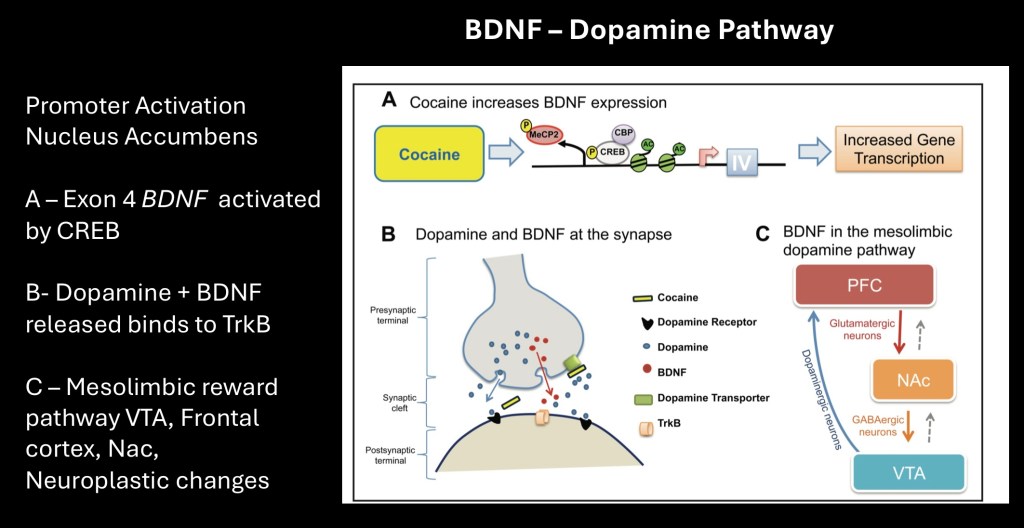
More detailed look at how BDNF interacts with the dopamine reward pathway.
A- Cocaine results in Histone acetylation and activation of the BDNF gene.
B- Dopamine is released at the synapse along with BDNF. The receiving cell activates a cascade of reactions resulting in neuroplastic changes promoting addictive drives.
C- Acting within the dopamine reward system BDNF strengthens connecting signals between key brain regions further driving the addictive cycle.

Epigenetic changes are not confined to the central nervous system. The above diagram illustrates epigenetic changes active in fatty inflammation of the liver due to effects of alcohol and diet. Multiple genes have been identified along with several micro RNAs contributing to proliferation of inflammatory proteins active in acute liver disease.
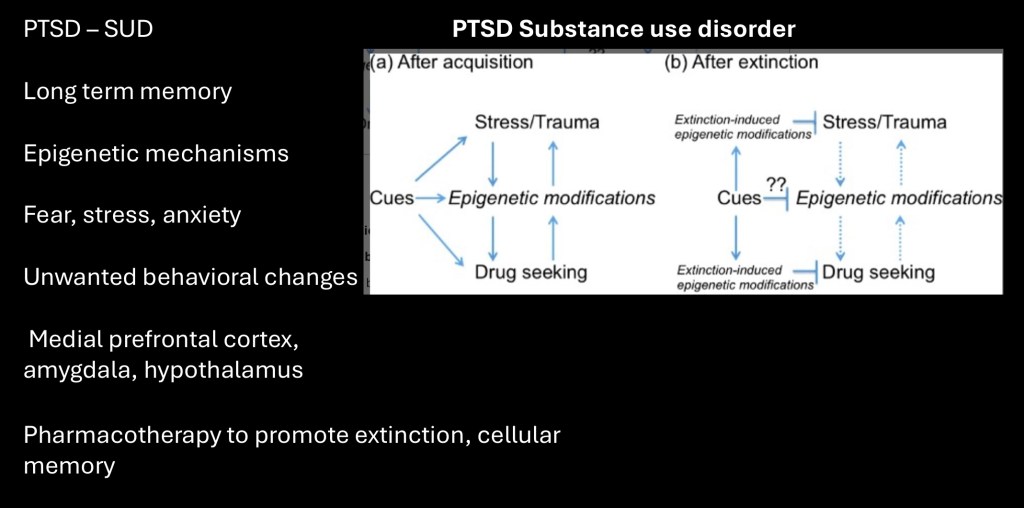
Stressors and trauma may result in Epigenetic modifications. Overlapping neural circuits present in Post Traumatic Stress Disorder and in addiction give rise to a negative feedback loop driven by traumatic fear reaction and drug related cues. Therapy directed toward extinction of the anxiety inducing stimulus may disrupt the unwanted learned response and lessen disease severity.

Map of the human epigenome
All methylation sites present for chromosome 22
This post is a brief review of Epigenetics as it pertains to neurobiological changes occurring in addiction. Three basic types of Epigenetic DNA modifications are described. Chromatin composition and Histone modifications, DNA methylation, and microRNA all contribute to functional alterations in genetic expression occuring in Substance Use Disorder. Two signaling proteins, ΔFosB and BDNF have been identified as central to disease progression and formation of long term biological neuroadaptive changes. This is an emerging area of research and is likely to yield new insights and therapeutic directions in the coming years.
Jk 5/24
……………………………………………………………………………………..
Images and data obtained from sources freely available on the World Wide Web. For information and educational purposes only. This post should not be considered medical or professional advice
…………………………………………………………………………………….
References
……………………………………………………..
Curr Opin Neurobiol . 2019 December ; 59: 128–136. doi:10.1016/j.conb.2019.05.005.
Epigenetics and Addiction
Peter J. Hamilton, Eric J. Nestler
Nash Family Department of Neuroscience, The Friedman Brain Institute, Icahn School of
Medicine at Mount Sinai, New York, New York 10029
…………………………………………………………….
Drugs and addiction: an introduction to epigeneticsadd_3321 480..489 Chloe C. Y. Wong1, Jonathan Mill1 & Cathy Fernandes2
Institute of Psychiatry, SGDP Research Centre1 and Department of Psychosis Studies,2 King’s College London, De Crespigny Park, Denmark Hill, London, UK
……………………………………………………………..
Epigenetics of Drug Addiction
Andrew F. Stewart,1 Sasha L. Fulton,1 and Ian Maze1,2
1Department of Neuroscience; 2Pharmacological Sciences, Icahn School of Medicine at Mount Sinai, New York, New York 10029, USA
Downloaded from http://perspectivesinmedicine.cshlp.org/ on April 6, 2024 – Published by Cold Spring Harbor Laboratory Press
, https://perspectivesinmedicine.cshlp.org/content/11/7/a040253.full.pdf
………………………………………………………………
Epigenetics: a link between addiction and social environment
Duyilemi C. Ajonijebu1 · Oualid Abboussi1 · Vivienne A. Russell1 · Musa V. Mabandla1 · William M. U. Daniels1,2
Cell. Mol. Life Sci.
DOI 10.1007/s00018-017-2493-1k
…………………………………………………………………
Epigenetics, microRNA, and addiction Paul J. Kenny
To cite this article: Paul J. Kenny (2014) Epigenetics, microRNA, and addiction, Dialogues in Clinical Neuroscience, 16:3, 335-344, DOI: 10.31887/DCNS.2014.16.3/pkenny
To link to this article: https://doi.org/10.31887/DCNS.2014.16.3/pkenny
https://www.tandfonline.com/doi/pdf/10.31887/DCNS.2014.16.3/pkenny
…………………………………………………………………..k
https://www.targetscan.org/vert_80
…………………………………………………….
BDNF as a therapeutic candidate for cocaine use disorders
Jacqueline F. McGinty
https://www.sciencedirect.com/science/article/pii/S2772392522000025
………………………………………………………..
Regulation of BDNF Expression by Cocaine
- D. McCarthy, Amber N. Brown, P. Bhide
- Published in The Yale Journal of Biol
- YALE JoURNAL oF BioLoGY AND MEDiCiNE 85 (2012), pp.437-446.
- Copyright © 2012.
- FoCUS: NEURoSCiENCE
https://www.semanticscholar.org/reader/ce1c63c9a387d406f3f703a4f5d69f99fc4dc9
…………………………………………………………………………………..
J,
Structural plasticity in mesencephalic dopaminergic neurons produced by drugs of abuse: critical role of BDNF and dopamine
Front. Pharmacol., 24 November 2014
Sec. Neuropharmacology
Volume 5 – 2014 | https://doi.org/10.3389/fphar.2014.00259
https://www.frontiersin.org/journals/pharmacology/articles/10.3389/fphar.2014.00259/full
…………………………………………………………………………
Emerging Role of Epigenetics in the Actions of Alcohol
Shivendra D. Shukla, Jose Velazquez, Samuel W. French, Shelly C. Lu, Maharaj K. Ticku ,
Alcohol Clin Exp Res, Vol 32, No 9, 2008: pp 1525–153m
…………………………………………………………………………
Stress, Epigenetics,
and Alcoholism
Sachin Moonat, M.S., and Subhash C. Pandey,
……………………………………………………………………
……………………………………………………………………..
Cocaine self-administration alters transcriptome-wide responses
in the brain’s reward circuitry
Deena M. Walker1,*
, Hannah M. Cates1,*
, Yong-Hwee E. Lo
I Biol Psychiatry . 2018 December 15; 84(12): 867–880. doi:10.1016/j.biopsych.2018.04.009.
…………………………………………………………………………
We certainly need to remember that between genotype and phenotype, and connecting them to each other, there lies a whole complex of developmental processes. It is convenient to have a name for this complex: epigenotype seems suitable.”
- — Conrad Waddington
- ……………………………………………………………………….
Epigenetic Basis of the Dark Side of Alcohol Addiction
Subhash C. Pandey, Evan J. Kyzar, and Huaibo Zhang
Center for Alcohol Research in Epigenetics, Department of Psychiatry, University of Illinois at
Chicago, Chicago, IL, USA;
Published in final edited form as:
Neuropharmacology . 2017 August 01; 122: 74–84. doi:10.1016/j.neuropharm.2017.02.002.
……………………………………………………………………………………….
The Role of Epigenetic Changes in the Progression of Alcoholic Steatohepatitis
Front. Physiol., 15 July 2021
Sec. Clinical and Translational Physiology
Volume 12 – 2021 | https://doi.org/10.3389/fphys.2021.691738
Frontiers | The Role of Epigenetic Changes in the Progression of Alcoholic Steatohepatitis
………………………………………………………………………………………..
Hj,)(,,.,my,..n.(),⎌my,.,.n,ha.mh,hm,.mh,”m.h!,mh,mhKh,’h.h.hm,KH.HKmh(‘.’h.’h..kh.kh.KHKhKHHK.hk.’h.kh.kh.hk..mh.khukjkof SMAC
Front. Physiol., 06 May 2021
Sec. Gastrointestinal Sciences
Volume 12 – 2021 | https://doi.org/10.3389/fphys.2021.66M4222
Frontiers | XIAP Knockdown in Alcohol-Associated Liver Disease Models Exhibits no”
………………………………………………………………………….
Brain-derived neurotrophic factor and its clinical
implications
Siresha Bathina1, Undurti N. Das1,2
Arch Med Sci 2015; 11, 6: 1164–1178
……………………………………………………………………………..
Epigenetic basis of opiate suppression of Bdnf gene expression
in the ventral tegmental area
Ja Wook Koo1 Michelle S. Mazei-Robison1,2 Quincey LaPlant1 Gabor Egervari1,3
Nat Neurosci. 2015 March ; 18(3): 415–422. doi:10.1038/nn.3932.
……………………………………………………………………………..j
Epigenetics and memory: causes, consequences and treatments for post-traumatic stress disorder and addiction
C. L. Pizzimenti, K. M. Lattal
First published: 06 January 2015 https://doi.org/10.1111/gbb.12187C
…………………………………………………………………………….
Cultural trauma and epigenetic inheritance
AMY LEHRNERa,b AND RACHEL YEHUDAa,b
aJames J. Peters Veterans Affairs Medical Center and bIcahn School of Medicine at Mount Sinai h
Development and Psychopathology 30 (2018), 1763–1777 # Cambridge University Press 2018 doi:10.1017/S0954579418001153
…”……………………………………………………………………………….
……………………………………………………………………………………..
………………………………………………………………………………………..
What is deltaFosB and is it involved in addiction? — Brain Stuff
……………………………………………………………………………………
 Sober Synthesis
Leave a comment