
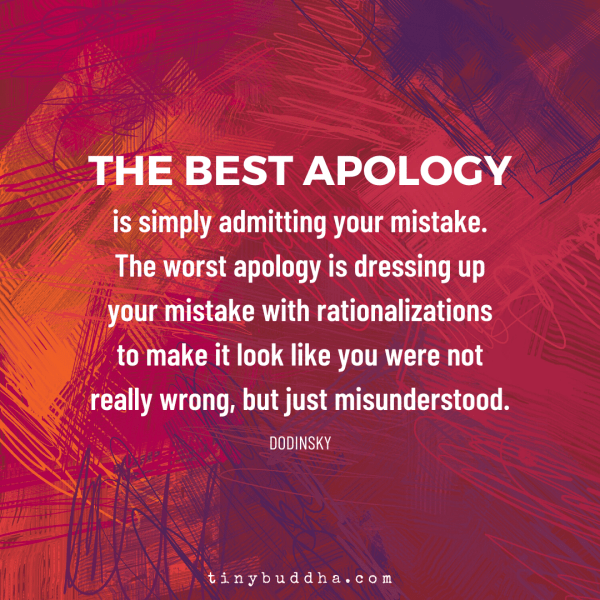
- We consciously and/or unconsciously sense ambivalence, resentment, and/or insincerity. Young children can distinguish between willing and coerced expressions of remorse.
- Working through a challenging process of self forgiveness and forgiving others supports skills for effective apologies to others.
- Meaningful and effective apologies improve physical and emotional health and strengthen relationships.
- Apologizing when you did nothing wrong, simply to prevent conflict, can affect your sense of self-worth and decrease perception of future apology sincerity.

Moving forward when forgiveness is rejected.
- Work through self forgiveness.
- Remember that nobody, including ourselves, should feel obligated to forgive. It is a personal choice.
- Healthy forgiveness can be a long process.
- Commit to growth regardless of forgiveness.
How Do You Deal With Someone Who Won’t Forgive You (upjourney.com)
How to Practice Radical Acceptance (verywellmind.com)
Research validated elements of an effective apology.
- Express regret – Show that you feel guilty and don’t want the same thing to happen again.
- Explain what went wrong – Explain your thought process and the relevant circumstances without using this as an excuse.
- Acknowledgement of responsibility (most important).
- Declaration of repentance – Show that you have genuine remorse over what happened and want to make a change.
- Offer reparations – Offer something you feel may help, and listen to what the other person needs (second most important).
- Ask for forgiveness – Request forgiveness but give the other person time to come around to it (least important).
Proposed questions for thought/sharing:
1. How has a difficult apology or apologies supported your recovery/wellness?
2. Are you contemplating a difficult apology? What will be the most challenging?
3. Have you experienced an apology that was not accepted by another? Can you identify why? Have you been able to accept their decision?
Disclaimer:
This summary is for general informational purposes only and does not constitute the practice of medicine or other professional health care services, including the giving of medical advice, and no doctor/patient relationship is formed.
 Sober Synthesis
Leave a comment