
Some things I have found while looking up other things which I did not plan on looking up in the first place but ended up there anyway.
Things I Found
- (please see update below)

Just some random things I have collected from looking around the internet while researching recovery related topics.
These are in no particular order. Generally I find most of the interesting items when I come across something on the way to looking up something else I had no real plan for to begin with.
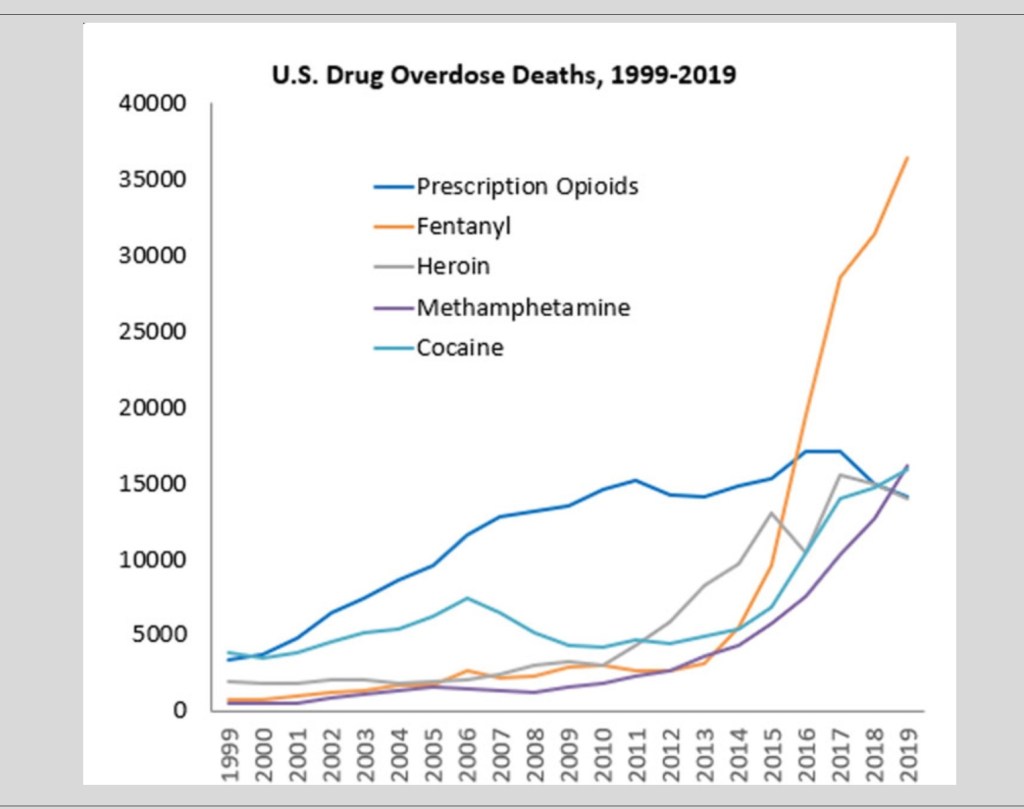
Fentanyl had been a mostly unknown drug outside of medical circles prior to the drug cartels and underground labs beginning to manufacture and distribute it on an industrial scale. It was first noticed when a rash of overdoses occurred in Dayton, Ohio in the fall of 2012.
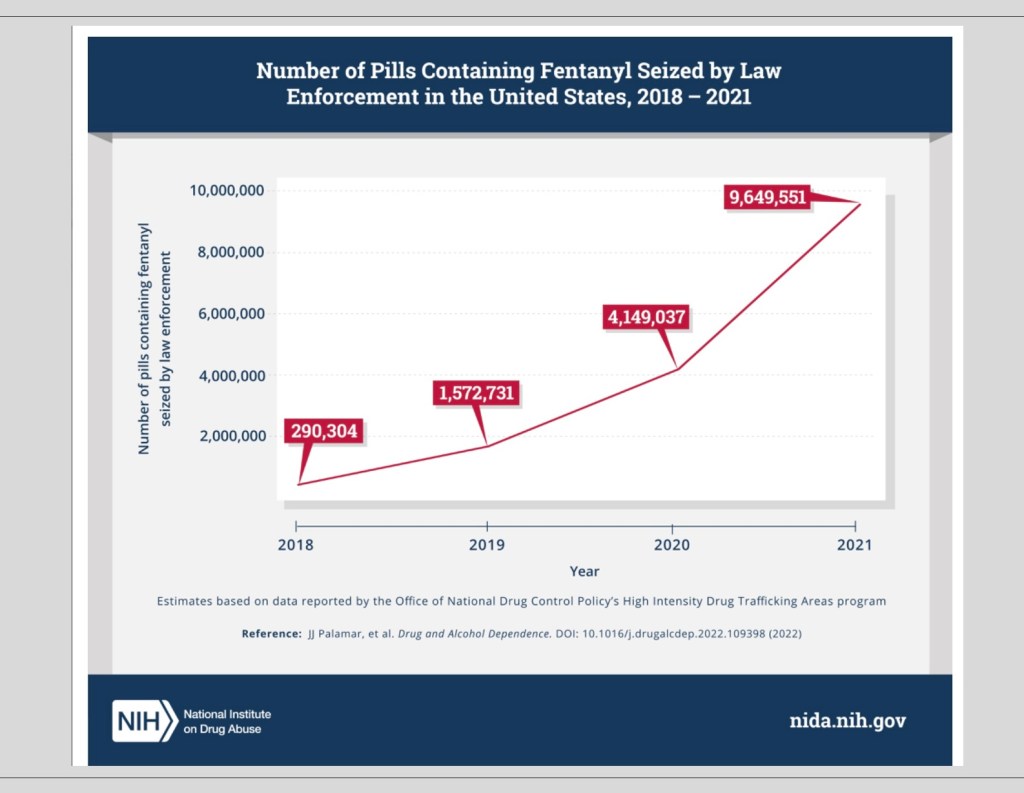
It is the ideal product for the illegal drug trade. It is short acting requiring more frequent doses, easy to smuggle, cheap to manufacture, and highly addictive. It is now found as an additive to other drugs and in pill form sold as fake Percocet or other legitimate oral drugs.
Methamphetamine has followed a similar pattern. Formerly illicit supply was mostly small scale and controlled by outlaw urban gangs. It grew to larger scale around 2015. This progression is portrayed in the TV series Breaking Bad.
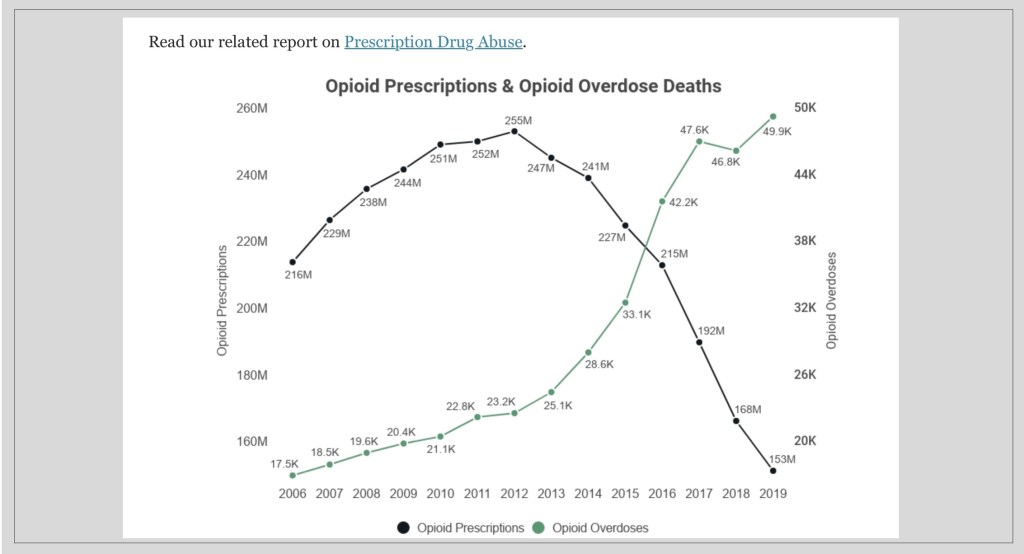
As with any product the economic law of supply and demand applies to illicit drugs. As opiate prescriptions have come under increased regulation, street opiates, now laced with fentanyl are in greater demand.
.
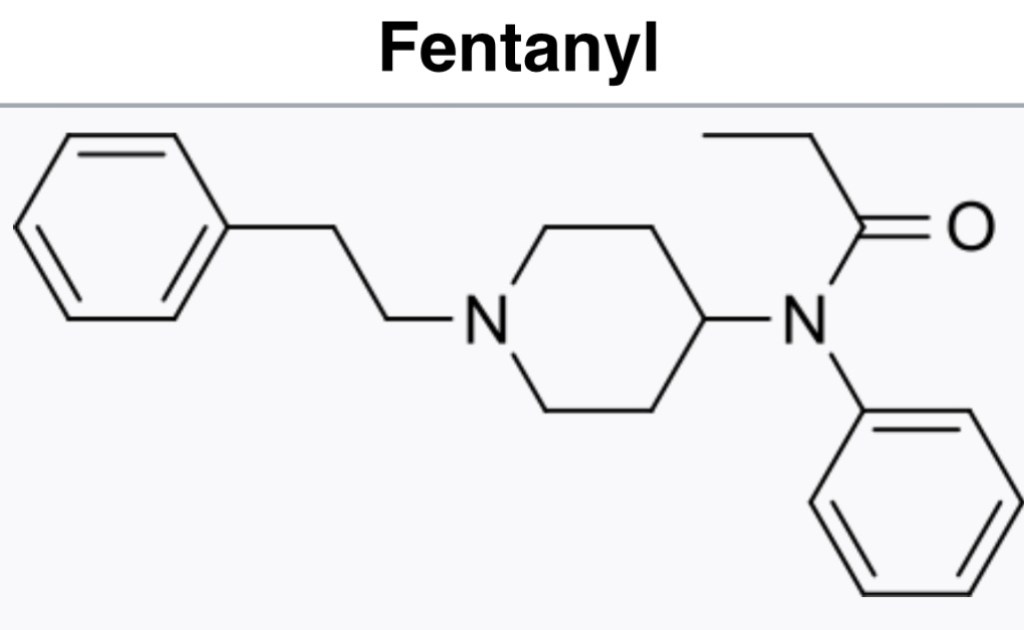
Fentanyl is not like any other drug in the illicit trade. It is a synthetic opioid first discovered in 1958. Since then it has been used in medicine mostly in anesthesia and sedation, rarely as an outpatient prescription drug. It is measured in microgram amounts and given under close monitoring. A typical IV dose may be 50 micrograms titration for effect. It is useful due to its rapid onset of action (5 min) and short duration of action (30 – 60 min). It may also be used for refractory pain. Illicit pills may be especially dangerous as the dose is unknown to the user who may assume it is safer than intravenous drug. The user may not know that the pill contains fentanyl.
Increasing availability of naloxone to the public and first responders is a major public health response to the overdose epidemic.
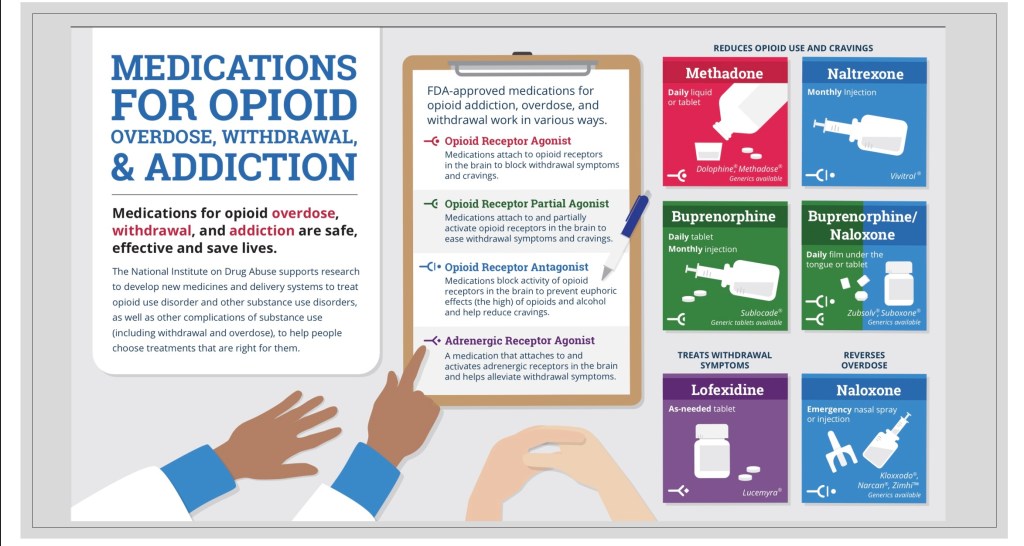
While therapeutic drugs are now available to aid in opioid use disorder and alcohol use disorder. There is evidence that these medications are under prescribed. Educating providers in the effective use of these agents is another ongoing effort.

These local news items are often overlooked.
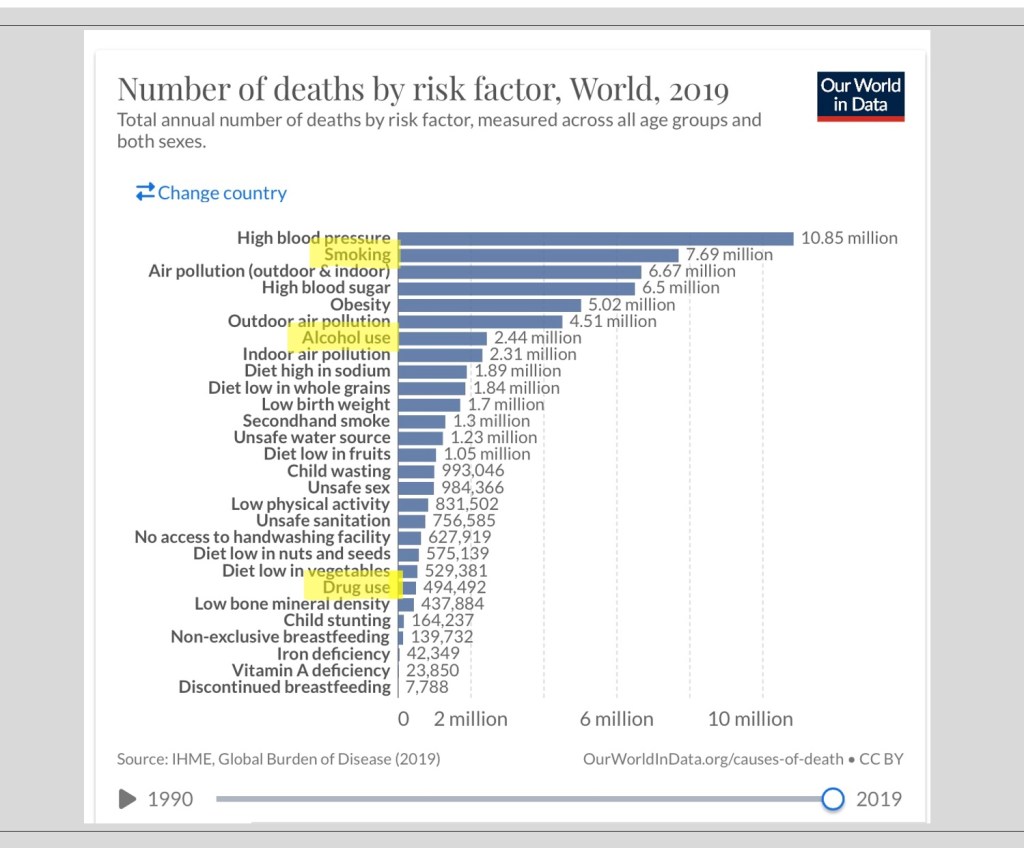
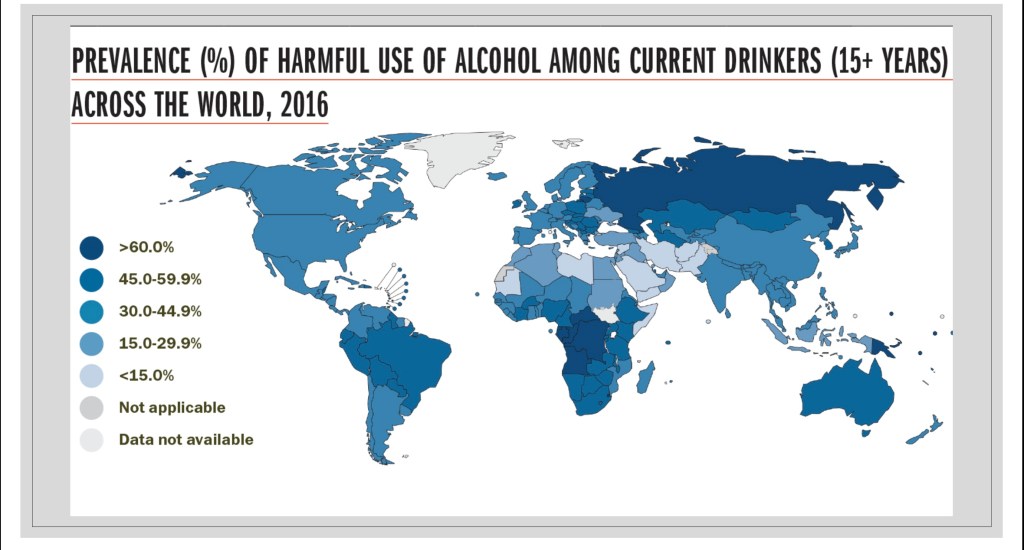
One of the difficulties in genetic and epidemiological studies into the causation and risk factors contributing to the development of alcohol use disorder is the overlapping contributions of local cultural, social, environmental and legal factors involved in use of alcohol and other drugs.
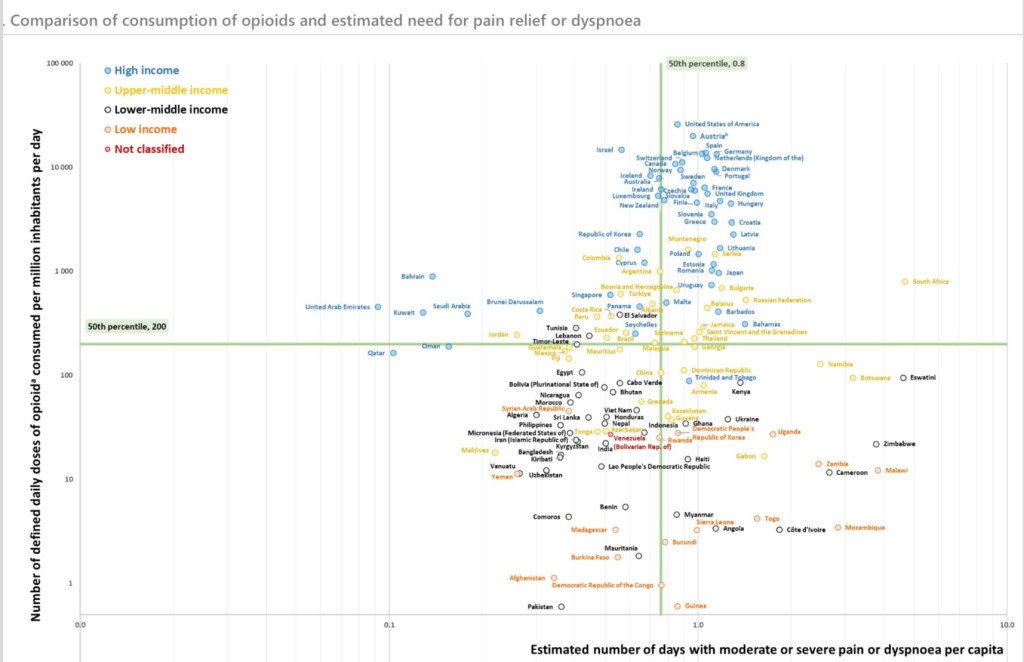
This figure represents medical use of morphine by country color coded by economic status. Severe pain is under treated in many parts of the world. Economics affects both medical and non medical drug use and impacts resources available for addiction treatment. Regulatory hurdles, corrupt and inefficient government, and supply inequalities affect priority given to relief of suffering.

Highly negative social attitudes toward addiction remains the rule rather than the exception in most of the world. Quoting one recent study:
A World Health Organization study with 14 countries found that SUD was among the most highly stigmatized of 18 conditions [2]. The stigma associated with SUD affects different population groups and is expressed at various social levels, including in the family, the community and health care institutions, and it is a problem in various parts of the world [3–11].
In Europe and Latin America, several studies have indicated that persons with sub- stance use disorder (PWSUD) are highly stigmatized by the public and experience a higher stigma than those with psychiatric disorders. The PWSUD are considered “criminals”, weak in character, alienated, lacking self-control and irresponsible, which generates emo- tional reactions of fear, anger, pity and rejection from the general public, family and health professionals [1,3–5,9,10,12]. These responses can lead PWSUD to internalize beliefs and feelings of unworthiness that affect their self-image, functioning, self-sufficiency and men- tal health, blocking access to early treatment for those interested in reducing their substance use [13–17].
Int. J. Environ. Res. Public Health 2022, 19, 8538. https://doi.org/10.3390/ijerph19148538
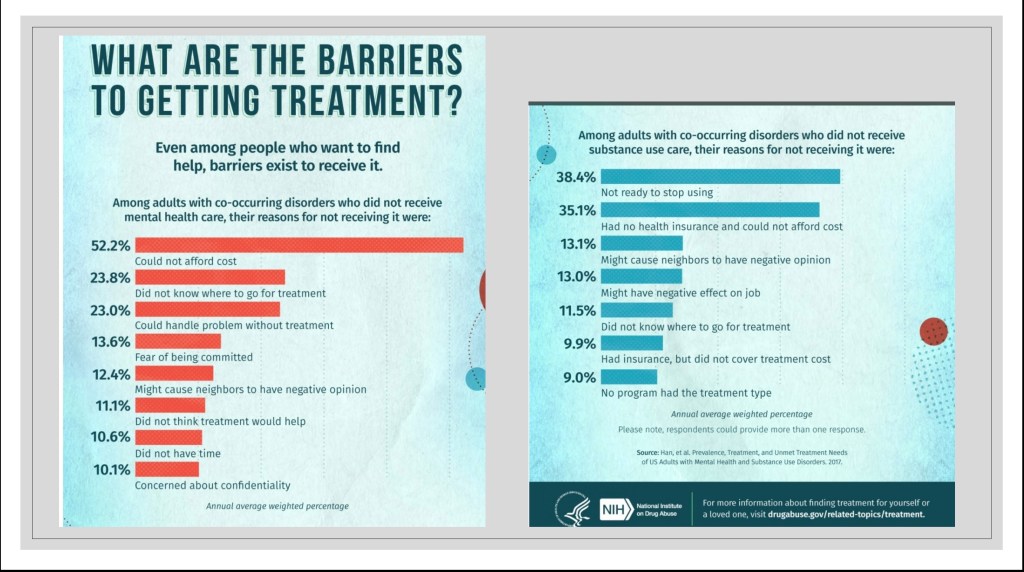
Even in highly developed countries barriers to treatment for substance use and mental health services are overwhelming for many people in desperate need of help.
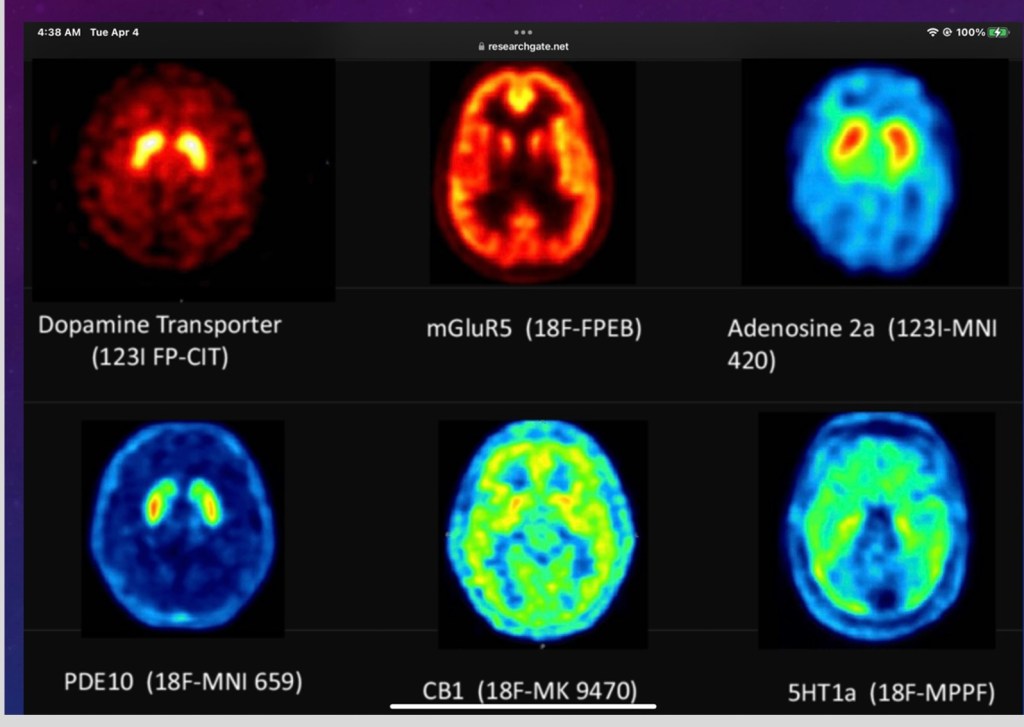
PET of some of the major receptors and enzymes important in neurobiological research demonstrating the versatility and utility of this technology.
From left to right, top to bottom:
Dopamine, Glutamate, Adenosine,
Phosphodiesterase10, Cannabinoid 1, Serotonin.
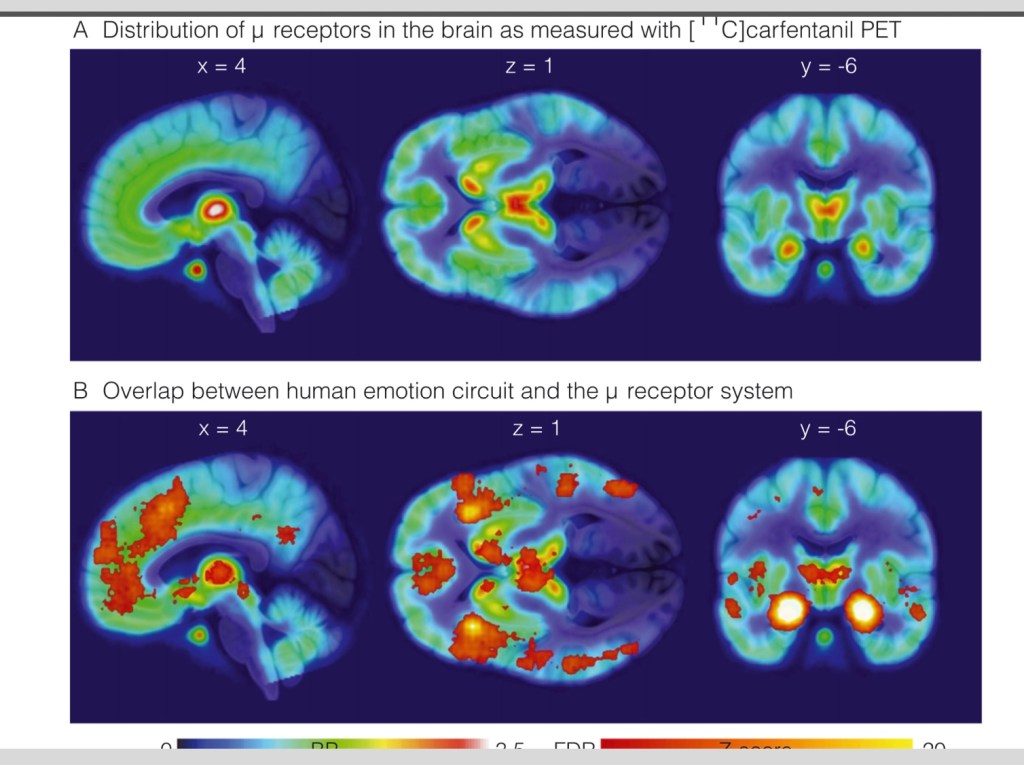
- PET of Mu Opioid receptors (11C)carfentanyl.
- fDG PET of neuro circuits involved with emotion superimposed on above
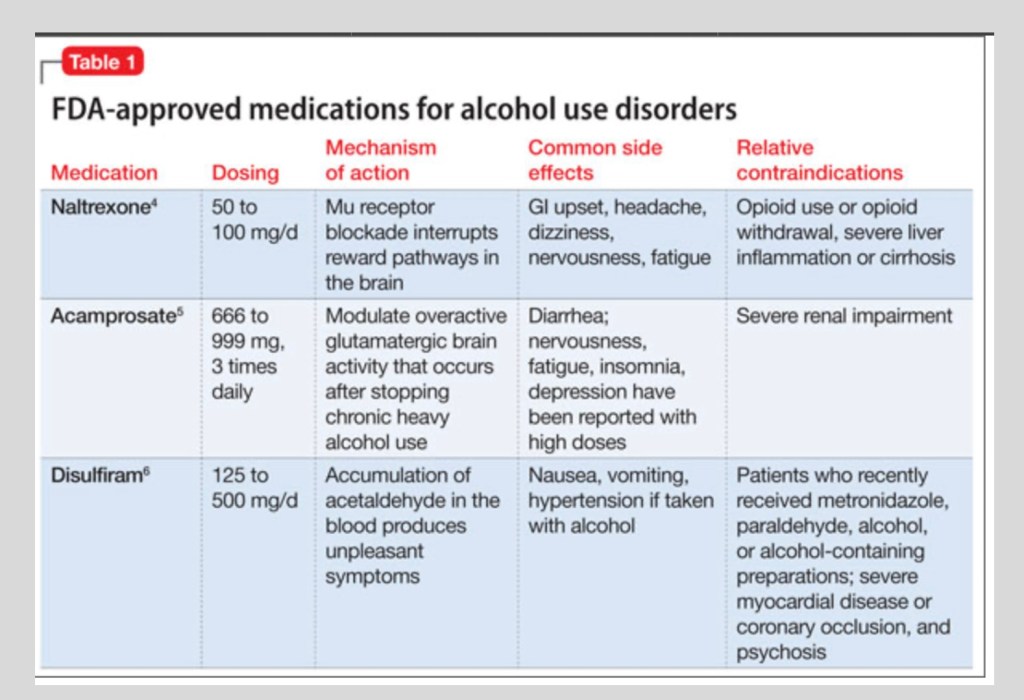
The primary goal of biomedical research into SUD is to develop improved evidence based options for psychological therapy and targeted medications to help individuals overcome the cycle of substance addiction.

Richard Feynman
Nobel Prize, Physics 1965
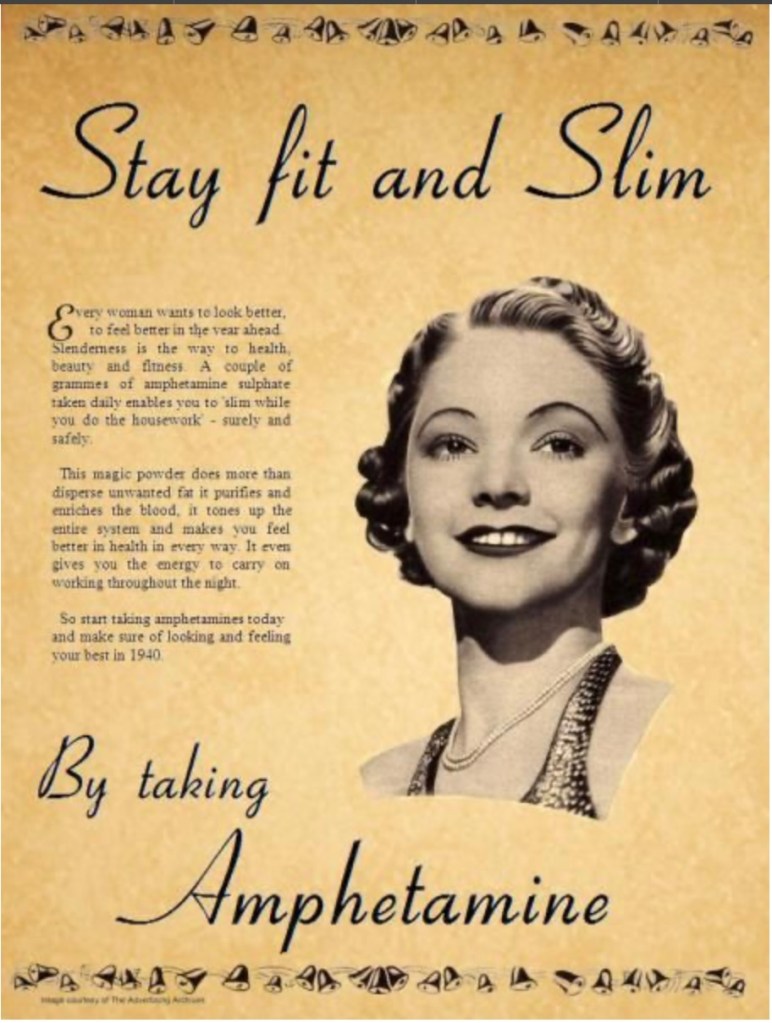
Magazine ad for amphetamine 1940. Note: I have since learned that this is a photoshop fake. The real ad is for something called “bile beans” whatever those are.
Amphetamines act directly on dopaminergic neurons resulting in synaptic and extra cellular dopamine levels far greater than other drugs. This likely accounts for the neurotoxicity associated with amphetamine use.
Khan academy video. Neurotransmitters anatomy
Neuroscience of Memory – Royal Institute
Thank you for your consideration in reviewing this post.
For educational and informational purposes only. No commercial or institutional interest. This post should not be considered medical advice.

Nemo & Oliver 6/2023
- Update
Deaths from fentanyl and methamphetamine have become significantly worse and are increasing at an alarming rate.
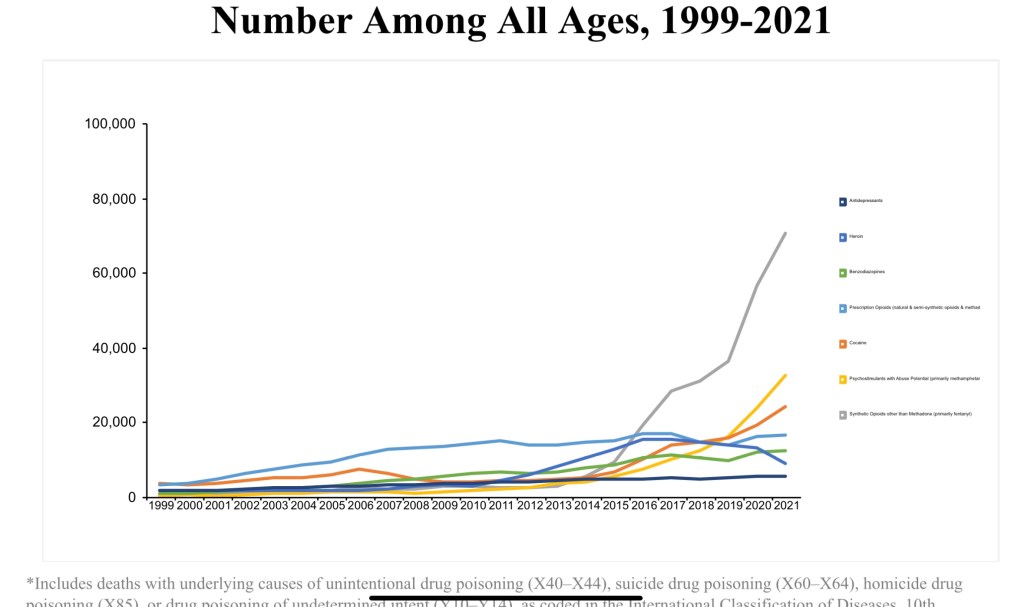
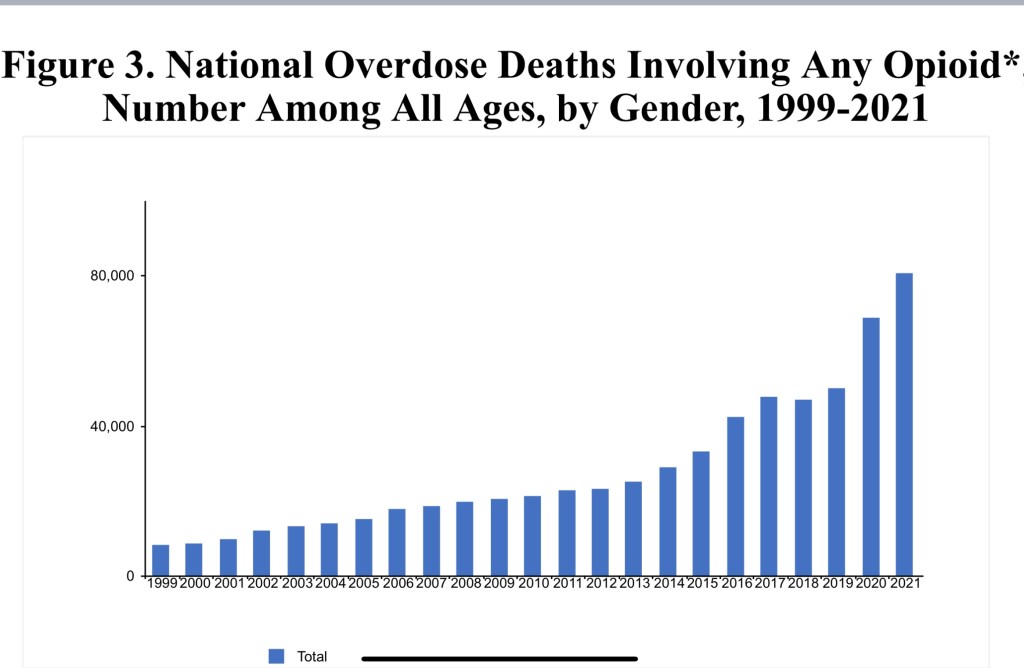
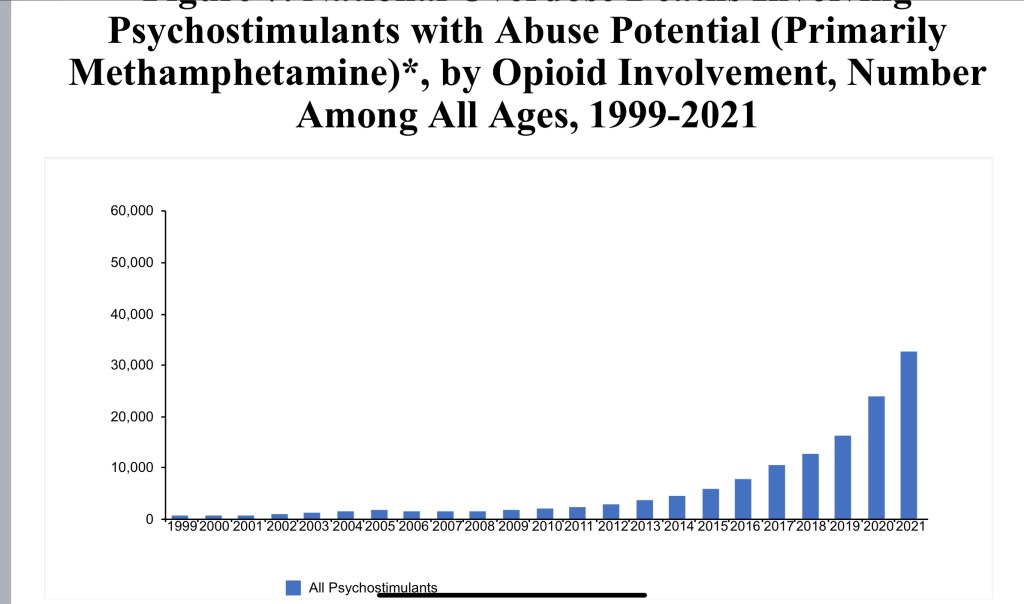
https://nida.nih.gov/sites/default/files/nat-drug-involved-od-deaths-1999-2021.pptx
Jeff Kay 6/2023
 Sober Synthesis
Leave a comment